How to Increase Hair Volume After a Hair Transplant: At-Home Tips
Written by Perseus Editorial Team
Last Update: August, 2026
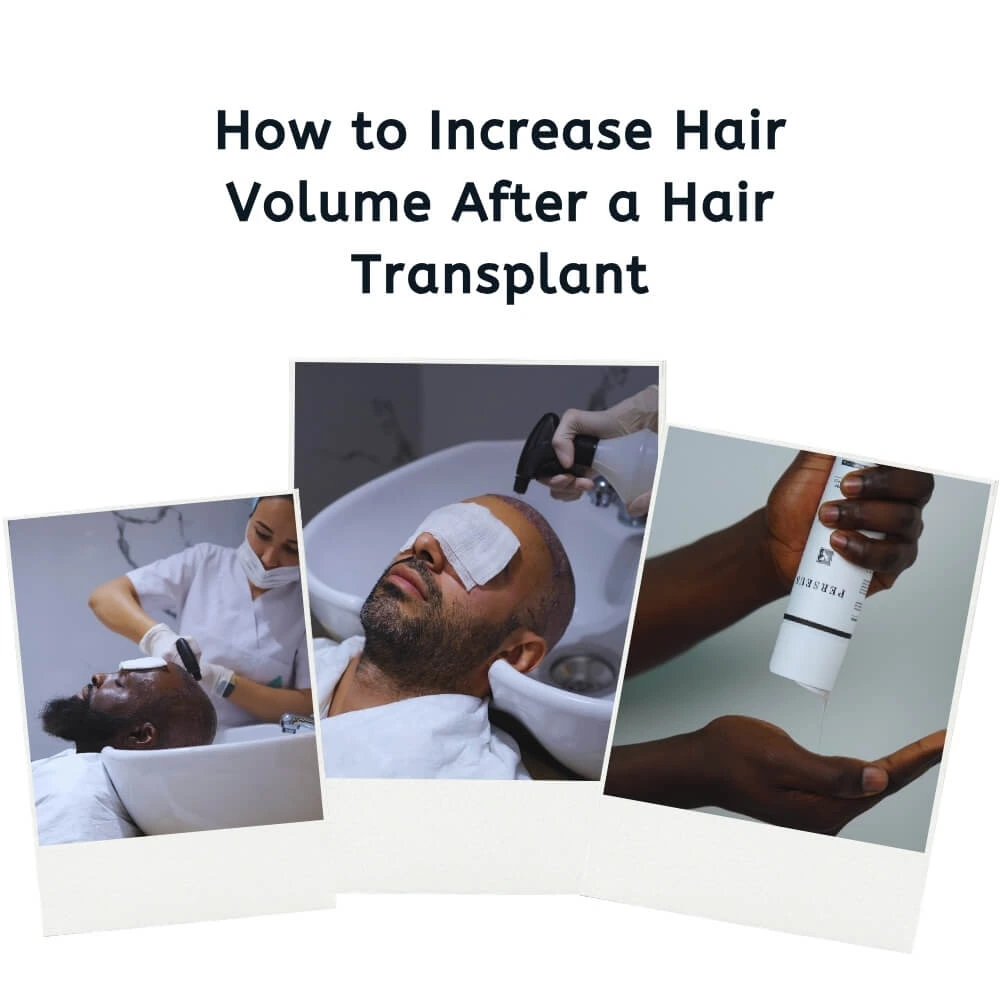
Having fine or flat hair isn’t just about how much hair you have; it’s also about how your hair strands behave and how you care for your scalp & hair in your daily life. In particular, during the first few months after a hair transplant, your hair volume may be very low, your hair texture may change, and your hair may even appear thinner than usual. Although this is a temporary phase, we’ve listed some harmless techniques you can use at home after your hair transplant to increase hair volume so that it doesn’t cause you any discomfort in your social life.
Why Does Hair Look Flatter During Hair Transplant Recovery?
It’s one of the most common concerns during recovery: your grafts are growing, but your hair still looks thin, flat, or lifeless. This is completely normal. Between shock loss, fine “baby hair” regrowth, and a scalp that is still healing, visible volume is naturally one of the last things to return, well after the follicles themselves are safely settled.
The good news is that once your scalp has cleared the critical early healing stages, there are safe, at-home habits that can meaningfully support the appearance of fullness, without putting your grafts at risk. This guide walks through exactly which volume-boosting habit is safe at which stage of recovery, so you never have to guess.
When Is Each Volume-Boosting Habit Actually Safe?
Applied too early after a transplant, some of these habits, like scalp massage or switching to a regular volumizing shampoo, can actually dislodge grafts or irritate healing tissue. Here is a stage-by-stage safety map before we go into detail.| Recovery Stage | Volume Habit | Status |
|---|---|---|
| Days 1–14 | Scalp massage, regular shampoo, heat styling | Not yet |
| Days 14–60 | Gentle pH-balanced shampoo, root-friendly towel-drying | Safe, with care |
| Month 2–3 | Light scalp massage, silk pillowcase, diet adjustments | Safe |
| Month 3+ | Root-lift styling, heat tools, targeted topicals, full routine | Safe |
Phase 1: The First 14 Days — Protect, Don’t Style
During the first two weeks, your priority is graft survival, not volume. As covered in our post-transplant timeline, this is when micro-scabbing forms and grafts are still anchoring. Any styling attempt at this stage carries real risk.
- No scalp massage. Even light pressure can dislodge grafts before they’ve anchored.
- No regular or volumizing shampoo. Standard shampoos are often outside the ideal pH 4.5–5.5 range for healing skin; see our guide on shampoo pH after a hair transplant for why this matters.
- No heat styling. Avoid all heat tools for at least the first 4 weeks.
- What you can do: Use only the post-op foam or shampoo recommended by your clinic, such as Perseus Post Hair Transplant Repair Shampoo & Panthenol Foam, applied without rubbing.
Phase 2: Days 14–60 — Gentle Foundations
Once your clinic confirms it’s safe to transition (generally after day 14, though full healing can take longer), you can start building volume-friendly habits without touching product volume yet. This period typically overlaps with shock loss, when much of the initially transplanted hair sheds temporarily, so hair may look thinner before it looks fuller. This is expected and does not mean the transplant failed.
Dry hair the right way
Blot, don’t rub. Use a microfibre towel or soft cotton T-shirt on the recipient area rather than pressing a regular towel against the scalp, which can cause micro-tears in still-sensitive skin.
Watch for itching without scratching
Itching is common during this phase as scabs resolve. If itching is intense, avoid the temptation to scratch or massage the area; instead, see our guide on managing an itchy scalp after a hair transplant.
Phase 3: Month 2 Onward — Safe to Add Gentle Stimulation
By the second month, the outside of the scalp has generally healed, even though internal follicular activity is still ramping up (see our Month 2 recovery guide). This is when light mechanical stimulation becomes appropriate.
1) Light scalp massage (from Month 2)
What to do: Once your clinic confirms your scalp has healed on the surface, spend 2–3 minutes doing a slow, gentle scalp massage using small circular motions, starting away from the most sensitive recipient sites.
Why it works: Controlled mechanical stimulation supports blood flow to the follicles. Clinical research has shown measurable increases in hair thickness with consistent scalp massage over several months.
Pro tip: If your fingers need to glide more easily, use no more than a drop of a lightweight, fragrance-free oil such as Perseus Ozonized Hair Oil Complex, rather than a heavy oil that can weigh hair down or clog healing pores.

2) Feed the follicles from within
Hair is built from keratin, a protein, and follicles that lack adequate protein or iron are more prone to shedding. If you’re concerned about diffuse thinning during recovery, a ferritin (iron) check is worth discussing with your doctor; our iron and hair loss risk test can help you flag whether this applies to you.
Many patients also support this phase with hair vitamins alongside a protein-rich diet.
3) Protect volume while you sleep
- Sleep on a silk or satin pillowcase, or tie hair loosely with a silk scrunchie, to reduce friction on fragile new growth.
- Avoid sleeping with soaking-wet hair, which weakens the hair shaft through repeated swelling and shrinking (hygral fatigue).
- Use a wide-tooth comb on damp hair, detangling gently from the ends upward, well away from the recipient area if any tenderness remains.
Phase 4: Month 3 and Beyond — The Full Volume Routine
Around the third and fourth month, most patients see fine, new hair emerging, and this is when a complete volumizing routine can safely be introduced.
Root-lift styling, the safe way
What to do: After towel-drying to damp, apply a lightweight root-lift product at the roots and blow-dry on a moderate setting while lifting small sections with a round brush. Finish with a cool shot to set the style.
Why it works: Root-lifting polymers create a thin supportive film around each strand, reducing the appearance of flatness, without any mechanical stress on the follicle itself, which is why this step is safe only once the scalp is fully healed and no longer sensitive to heat or tension.
Targeted topicals
If your surgeon has approved it, this stage is when many patients introduce topicals such as minoxidil or finasteride to support long-term density alongside at-home volume habits. Always confirm timing with your clinic, since introducing these too early can interfere with the healing process.
Weekly mesotherapy support
For patients further along in recovery, a weekly application of the Perseus Mesotherapy Hair Loss Therapy Serum Set can help moisturise the hair roots and support the follicles as they continue maturing into their final density, which is typically reached between months 12 and 18.
Wash technique for lasting volume
Once you’re fully cleared for regular washing, shampoo the scalp to remove oil and residue, but apply conditioner only from mid-lengths to ends, never at the roots, where it can weigh hair down. Finish with a cool (not cold) water rinse; very cold water isn’t necessary and can feel uncomfortable on skin that is still adjusting to normal sensation months after surgery.
Bonus: A Porosity Test You Can Do at Home
Gently place a clean, dry hair strand onto the surface of a glass of room-temperature water.
Let it rest undisturbed for 3 to 5 minutes. Patience is key for an accurate reading.
Observe: Is your hair floating, staying suspended, or sinking to the bottom?
The Hair Volume Killers: 5 Habits to Break
These 5 mistakes we make unconsciously in our daily routines can completely destroy your hair’s volume.
- Sleeping with wet hair.
- Applying cream to the roots of your hair (scalp).
- Exposing the scalp to very hot water.
- Overusing spray shampoo.
- Rubbing the towel on the scalp.
Sleeping with wet hair makes it dull.
Hair is most fragile when wet. Sleeping on damp strands causes hygral fatigue. It is the repeated swelling and shrinking of the hair shaft which leads to frizz and a permanent loss of natural lift. In order to ensure your roots are 100% dry before bed to maintain structural integrity.
Applying hair conditioner to the scalp can damage the skin structure.
Most hair conditioners are formulated with heavy emollients and silicones designed to seal the cuticle of the hair ends. That’s why when applied to the scalp, they clog pores and weigh down the roots, making even thick hair appear flat and greasy within a few hours. To prevent this problem, apply conditioner only from mid-length to the ends. Alternatively, you can opt for hair conditioners with formulas that are safe for the scalp.
Hot temperatures disrupt the natural oil balance of the scalp.
Excessive heat also strips the scalp of its natural protective oil layer. This causes the scalp to overproduce sebum in an attempt to rebuild the protective oil layer and compensate for the current condition. As a result, hot water prevents oily, lifeless hair roots from gaining volume. Using lukewarm water for washing and switching to cold water for the final rinse is ideal for hair with volume.
Dry shampoo can cause hair buildup.
Depending on the ingredients, you can also find very safe dry shampoos. However, a dry shampoo chosen at random without reading the ingredients may give your hair short-term volume but carries the risk of causing long-term hardening of the scalp. Using it several days in a row is particularly not recommended. This buildup suffocates the hair follicle and physically prevents the hair from standing upright from the root.
You can use dry shampoo as a styling tool rather than for cleaning.
Pressing hair towels against the scalp can scratch the skin.
Using soft hair towels provides major long-term benefits for your hair’s health. However, how you use the hair towel is also important. If you constantly rub your scalp with a towel to dry your hair as quickly as possible, you are likely causing micro-tears in your scalp. This can lead to increased hair loss within a few weeks. Avoid letting the towel touch your hair roots. Use it to dry the ends and be sure to use soft hair towels.
FAQs
When can I start using a volumizing shampoo after a hair transplant?
Not before your clinic confirms your scalp has healed on the surface, generally no earlier than 14 days post-op. Even then, choose a gentle, pH-balanced (4.5–5.5), paraben- and sulfate-free formula rather than a standard drugstore volumizer.
Is it normal for transplanted hair to look thinner before it looks fuller?
Most patients go through shock loss between weeks 2 and 6, when much of the initially transplanted hair sheds temporarily before new growth begins around month 3. This does not indicate graft failure.
Can scalp massage dislodge my grafts?
It can, if done too early. Wait until your clinic confirms surface healing, generally around month 2, before introducing any massage, and keep pressure light even then.
Will hair vitamins alone restore my volume?
Vitamins and a protein-rich diet support the conditions healthy hair needs, but they work alongside, not instead of, gentle mechanical care and, where appropriate, clinically supported topicals. If thinning feels more severe than expected, a ferritin test is worth requesting from your doctor.
Sources
- Healthline – Hair Growth & Nutrition
Healthline Editorial Team (2023). How to Make Your Hair Grow Faster: 8 Natural Hair Growth Tips. Healthline. - American Academy of Dermatology – Hair Loss Overview
American Academy of Dermatology (2024). Hair Loss: Overview & When to Seek Medical Advice. AAD. - Allure Magazine – Root-Lifting Products
Dweck, M. & Allure Beauty Desk (2024). Best Root-Lifting Sprays: What Actually Works According to Experts. Allure Magazine. - Scalp Massage Study
Koyama, T., et al. (2016). Effect of Scalp Massage on Hair Thickness in Healthy Men. Dermatology, 232(1), pp. 47–52. - Hair Nutrition Review (Iron, Protein)
Almohanna, H.M., Ahmed, A.A., Tsatalis, J.P. & Tosti, A. (2019). The Role of Vitamins and Minerals in Hair Loss: A Review. Dermatology and Therapy, 9(1), pp. 51–70.
This content has been reviewed by hair transplant specialists and dermatologists.
Please note: The information provided in this guide is for informational purposes only. Before starting any home treatment, it is recommended that you consult a dermatologist, especially if you have sensitive scalp or a medical condition. Perseus cannot be held responsible for any sensitivities that may arise from individual applications.
Recommended Reading
✦ Beard Transplant Cost in Istanbul 2026 — A comprehensive look at current pricing, procedures, and options available in Istanbul.
✦ Finasteride After Hair Transplant — Learn how and when to use finasteride to maintain your results and protect your hair.
✦ Exosome After Hair Transplant — Discover how exosome therapy accelerates healing and boosts graft survival post-surgery.


Receive offers, product alerts, styling inspiration and more. By signing up, you agree to our Privacy Policy.
- info@perseusstyle.com