Minoxidil After Hair Transplant in 2026
Written by Perseus Hair Care Writing Team, Last Update: August, 2026
Rogaine, in other words, Minoxidil, is a well-known drug that is used to reduce the look of thinned hair and the effects of hair loss. Many people resort to Rogaine before or after a hair transplant. Some people use it as a first attempt to battle the signs of hair loss while some people use it to support healthy hair growth after a hair transplant.
Noticeable hair loss affects a lot of people. Female pattern and male pattern hair loss can especially increase with ageing or after some health issues. This significant change can have a toll on people’s self-confidence, cause men and women to feel unhappy with their appearance, and give way to social anxiety. This is why people who are suffering from severe hair loss are on the look for a reliable solution.
Hair transplant and approved medications are two of the most popular solutions to hair loss. In terms of medication, Rogaine/minoxidil is known as one of the most effective and reliable options like finasteride. Hair transplant and hair loss medications can also be used in combination to achieve the best possible results.
Using Rogaine/Minoxidil after a hair transplant has especially attracted attention because of the long-term and satisfying results. Minoxidil can speed up the hair growth period, and decrease the chance of shock hair loss and effect of future hair loss. But what is minoxidil and when can you use it after a hair transplant? Here, we will explain these most common questions on the subject.
What is Minoxidil?
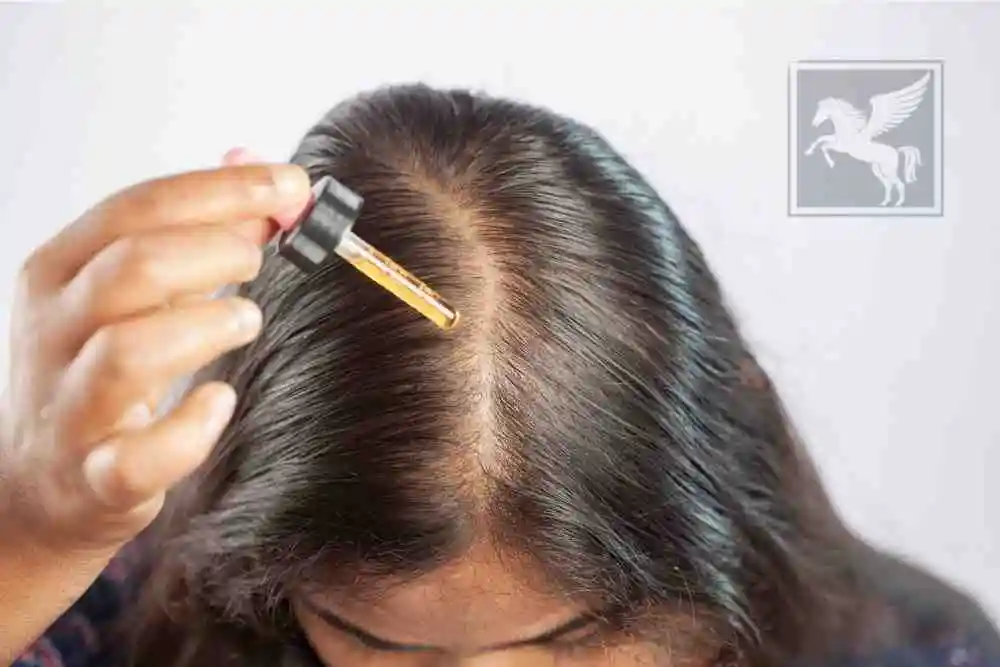
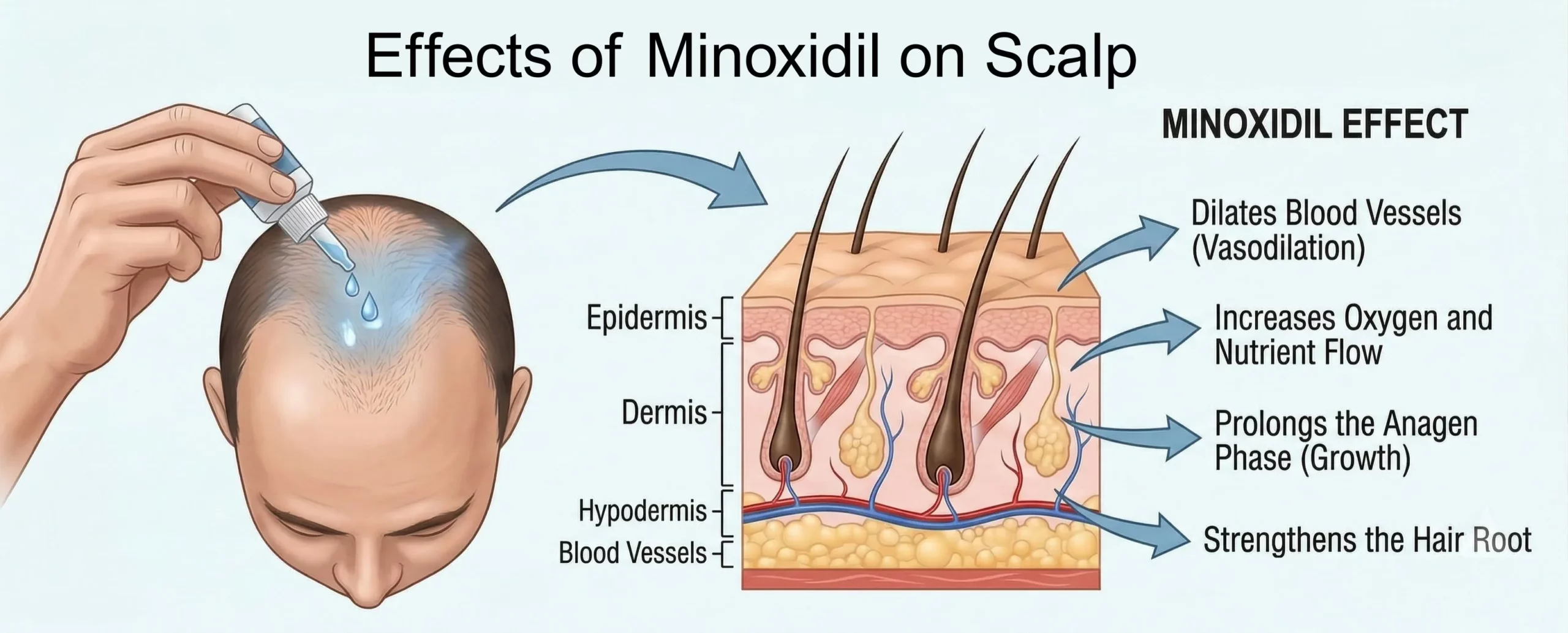
Minoxidil is a drug that belongs to a class of drugs known as vasodilators. These types of drugs dilate the blood vessels allowing blood to flow more easily. Minoxidil is used as the active ingredient in various hair loss drugs under different brand names including Rogaine. So, if you have been confused about the difference between Rogaine and minoxidil, there is no difference. Minoxidil is the main ingredient in Rogaine.
How does it work?
Rogaine/minoxidil works by widening the blood vessels and improving the blood flow to the hair follicles. This increased blood flow means more oxygen and nutrients can be delivered to follicles. This way Rogaine stimulates hair follicles to regrow thicker and allows you to have fuller hair. Even though minoxidil can be taken orally or applied topically, Rogaine is only available in topical solution and foam form.
Should I stop Rogaine before a hair transplant?
There are some recommendations to follow before hair transplant. If you have started using Rogaine as the first step to remedy the effects of hair loss, your surgeon will ask you to stop taking Rogaine at least three weeks before your hair transplant procedure. Because Rogaine surpasses the effects of female pattern and male pattern hair loss, it would be impossible to see the extent of your hair loss problem while you are on Rogaine. This is why your surgeon will need to see the state of your hair loss after you quit taking minoxidil. Depending on your preference, you can continue taking Rogaine after your hair transplant surgery.
Is Rogaine/Minoxidil safe after a hair transplant?
Rogaine/minoxidil is a safe over the counter medication. It generally does not cause any major side effects. Some patients report minor side effects such as scalp irritation and headaches. In some rare cases, especially for women, hair growth is seen in unwanted areas. However, it is generally safe to use Rogaine after a hair transplant. Note: If you are worried about side effects, make sure to ask your surgeon before using the medication. Don’t hesitate to consult with your surgeon if you experience any side effects.
How long after my hair transplant can I start using Rogaine?
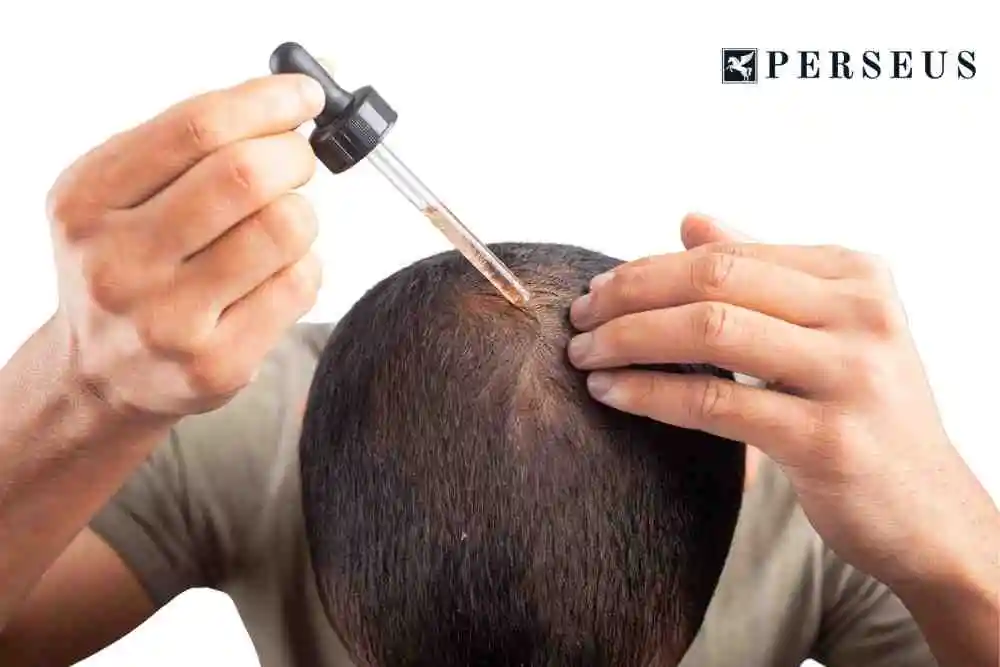
You might wonder how long you should wait after your hair transplant surgery to start using Rogaine. Generally, it is better to wait for the hair follicles to settle down for the first one or two weeks after your surgery. You may start using Rogaine after that period.
How to apply Rogaine after a hair transplant?
Rogaine can help with reducing shock loss, improving the growth rate of transplanted hair follicles, and slowing down ongoing hair loss.
If you have decided to use Rogaine after your hair transplant, it is usually advised to use it once a day. However, your surgeon might advise you to follow a different routine.
Is it compulsory to use Rogaine after a hair transplant?
No, it is not compulsory to use Rogaine after a hair transplant. Even though Rogaine can have great benefits on hair growth after a hair transplant, it might not be necessary for everybody. This decision only depends on your preference and your surgeon’s medical advice.
Do you still have to use Rogaine after a hair transplant?
Using Rogaine after your hair transplant is up to you and your surgeon’s advice. You don’t have to use Rogaine after your surgery, especially if quitting minoxidil was one of the main reasons you wanted to get a hair transplant.
However, it is important to note that Rogaine can have great benefits on your hair journey and improve the overall appearance of your hair. Make sure to discuss the use of Rogaine before your surgery with your surgeon.
Minoxidil Use in the Donor Area After Hair Transplant?
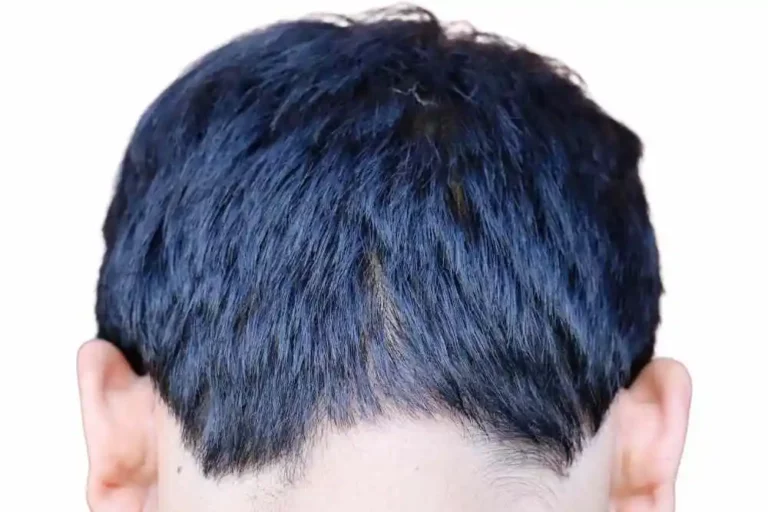
Applying Minoxidil to the donor area is a strategic approach. Many surgeons prefer this to enhance recovery results of their patients. Minoxidil on donor area can speed up healing and prevent donor shock loss. Because the medicine increases blood flow to the scalp, enhancing circulation and delivering oxygen and essential nutrients while stabilising thinning around the extracted and non-extracted hairs.
Once the healing process is complete, it is preferable to use foam minoxidil with a gentle application method. When used correctly, minoxidil does not damage donor follicles and can support the recovery of the entire donor area.
Does Minoxidil Improve Density After Hair Transplant?
Only Minoxidil does not create hair follicles. So, it does not increase the actual number of hair. But, it can improve the visual density by enhancing blood flow and supporting follicles to enter in the growth phase and stay longer there.
Minoxidil Use After FUE vs DHI Hair Transplant: Is There Any Difference?
In principle, minoxidil is effective following both FUE and DHI hair transplant techniques. The difference arises not from the drug itself, but from timing and scalp tolerance (sensitivity).
For FUE
In FUE, the recipient site is prepared by opening channels with a blade or sapphire tip before the grafts are put in place. This creates a larger wound surface area across the site. As the channels are open, the scalp may be more vulnerable to the alcohol and propylene glycol in liquid minoxidil. For this reason, hair transplant specialists often strictly enforce a 14-day waiting period until the scabs have fallen off completely. It is fundamental to wait for the initial revascularisation process to be completed before starting minoxidil because starting minoxidil too early can cause premature vasodilation.
For DHI
- In DHI, a Choi Implanter Pen is used to create the channel and implant the graft simultaneously. This method is often considered less traumatic to the skin surface because no pre-cutting of channels is required. There is usually less bleeding and crusts are shed slightly faster. Although recovery is faster, there is still a risk of ‘dislodging’ a graft in the first weeks. Therefore, the timing for starting minoxidil treatment (usually 2 weeks after the procedure) remains largely the same as for FUE. However, as DHI allows for higher-density implantation, the risk of folliculitis may be slightly higher if minoxidil irritates the skin. For this reason, a foam-based and alcohol-free version is preferable for DHI patients.
Minoxidil Use After Beard or Eyebrow Transplant
Although minoxidil is used widely for hair on the scalp, special consideration is required when applying it to a beard & eyebrow transplant because the skin on the face is much thinner and more sensitive than that on the scalp.
While you can use Minoxidil to give your new beard a boost, you have to be much more careful with the timing and the type of product you choose.
How does the face absorb minoxidil? The skin on your face is thinner than your scalp, so it absorbs the medication much faster. This means you’re more likely to feel “internal” side effects like a racing heart or a bit of dizziness compared to putting it on your head.
Does the alcohol-based formula damage the skin? The liquid versions usually contain alcohol, which can be a nightmare for facial skin, causing bad redness or flaky “beard dandruff.” Most doctors suggest sticking strictly to the alcohol-free foam version for the face.
When is it suitable for use on the skin? Don’t rush into it. You need to wait until the redness is totally gone and the skin is fully healed, which usually takes about 3 to 4 weeks.
It’s pretty rare to use Minoxidil on eyebrows after a transplant, and if you do, you have to be incredibly precise.
Watch Your Eyes: The biggest danger is the liquid dripping into your eyes. It’s a harsh chemical that can cause serious stinging and inflammation.
Stray Hairs: Minoxidil tends to spread. If it migrates even a little bit, you might start seeing fine hairs popping up in places you don’t want them, like your upper cheeks or forehead.
How to Apply? If your surgeon gives you the green light, don’t just spray it on. Use a Q-tip to carefully dab a tiny amount only onto the eyebrow line to keep the application under control.
Minoxidil After Hair Transplant in Women
For women, using minoxidil after hair shedding surgery can support the process. Since female hair loss tends to be more widespread, women need to protect their hair they already have while the new grafts are growing. This combination usually leads to much fuller and more natural-looking results.
However, there are a few things to bear in mind. As women’s skin can be more sensitive, some start with a 2% strength solution, though your doctor may increase this to 5% for better results. The main concern is accidentally growing fine hair on the face. To avoid this, take care not to let it drip onto your forehead, and apply it at least an hour before going to bed to prevent it rubbing off on your pillow.
Celebrities that use Minoxidil
Celebrities who use Minoxidil often don’t admit it. However, we have compiled a list of people who are strongly rumored to use Minoxidil. Some famous actors, TV and movie stars, NBA players, and famous footballers turn to hair transplant operations to solve their hair loss problems. They use Minoxidil before or after hair transplantation to stop hair loss. We mentioned them in our “Celebs with hair transplant” article.The following list only includes celebrities who are said to have used Minoxidil for hair loss.
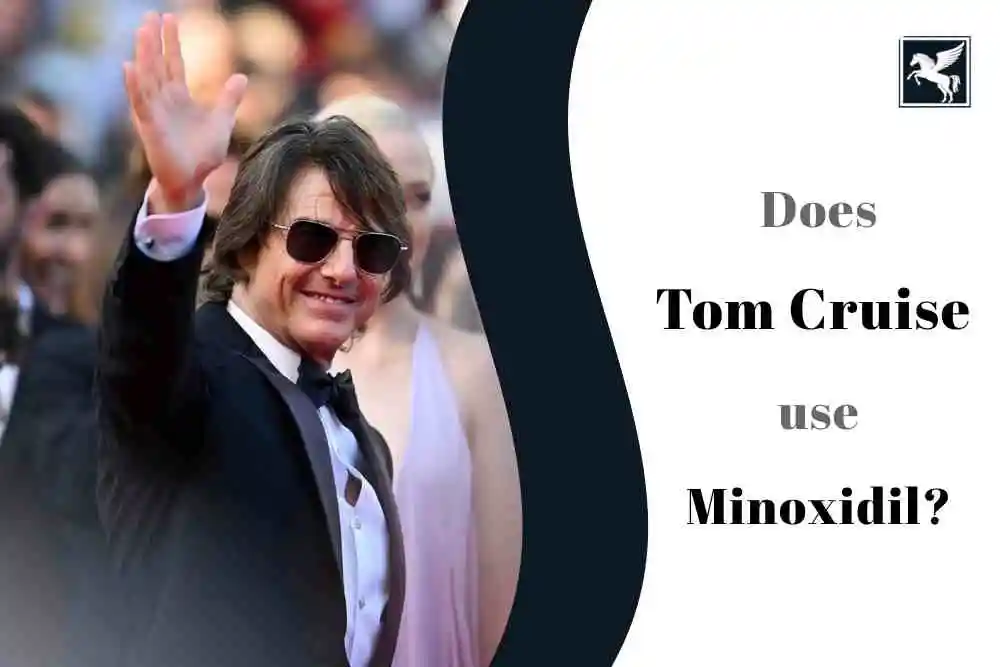
Does Tom Cruise use Minoxidil?
Numerous rumours have surfaced about Tom Cruise’s hair, which has not thinned despite his age. It has been said that he had hair transplants, underwent micropigmentation, had a forehead reduction operation, and used Finasteride and Minoxidil. No clear explanation has ever been given as to which of these is true.
Rumors of MC Daniel using Minoxidil
There are claims in the Brazilian media that MC Daniel uses Minoxidil. However, there is no official statement or confirmed information regarding his use of the product. In short, there is no evidence that MC Daniel uses this product to thicken his beard or prevent hair loss; this matter consists purely of personal speculation among his fans.

Claims of Alexander Ludwig’s Minoxidil use
The primary source of the rumors regarding Alexander Ludwig’s Minoxidil use is that despite his father and brother suffering from hair loss, Alexander has remarkably thick hair. There is no official confirmation or statement. However, discussions about Ludwig and hair loss often arise in the context of his role as Bjorn Ironside in Vikings, where fans frequently discuss his physical transformations (such as aging makeup or beard styles) for the show.

FAQs
Can Minoxidil Cause Graft Loss?
Under normal conditions, minoxidil does not cause graft loss after surgery. When used at the right time and on a properly healed scalp, it is considered safe for transplanted hair. That’s the reason why it is often prescribed as a supportive therapy. Once the grafts are secure in the 3rd week, minoxidil does not dislodge follicles, but starting too early carries the real risks like irritation, excessive moisture, or friction.
Is Minoxidil effective for advanced hair loss stages?
Minoxidil is used primarily to preserve existing hair and support the post-transplant process in cases of advanced baldness (Norwood stages 5–7), rather than to stimulate new hair growth on its own. At these stages, the majority of hair follicles are already inactive, so the expected effect of minoxidil is quite limited. Still, it can be beneficial in slowing down the shedding of untransplanted hair, managing the shock loss phase more effectively, and supporting the overall appearance of the hair. In Norwood 5–7 patients, minoxidil is generally positioned as a supportive treatment rather than a solution.
What to do if it causes itching or redness?
Using minoxidil can result in side effects such as itching, redness or a mild burning sensation. These reactions are usually not caused by the minoxidil itself, but by ingredients such as alcohol and propylene glycol. If you experience these side effects, it is recommended that you stop using the medication for a short period and switch to the foam formulation, which is generally more tolerable. Wait until your scalp is fully healed before you start using it again. If your symptoms continue or worsen, seek further guidance from your doctor.
Should you stop minoxidil when transplanted hair starts to fall out?
Using minoxidil during the shedding phase is safe and does not cause any problems. The hair that sheds during this period is the hair shaft, not the follicle itself, so minoxidil does not damage transplanted grafts. On the contrary, it can help support the follicles in entering the anagen (growth) phase more quickly.
Does minoxidil prevent or cause shock loss?
You are in the initial phase of your transplanted hair growth. Think of it this way: babies’ first hairs are fine and like fluff. As they grow older, their hair thickens and darkens. Your transplanted hair is still in its initial phase. So be patient with it. It will improve over time.
Hair follicles do not grow simultaneously. Some activate earlier, while others remain dormant for several more weeks. This staggered growth pattern creates a temporary uneven or sparse appearance.
Can early use damage transplanted grafts?
The use of minoxidil is not advised in the earliest stages following hair transplantation, such as within the first 7 to 10 day period. During this time, the scalp has not yet healed, and any irritation, scabbing, or excessive moisture caused by minoxidil could negatively impact the stability of the grafts. Although early use does not directly cause graft loss, it can complicate the healing process.
Do post-hair transplant aftercare bundles contain minoxidil-based foam?
No, minoxidil-containing foam is not suitable for use immediately after hair transplantation. Minoxidil is a vasodilator (blood vessel dilator). This is also why it was originally developed as a high blood pressure medication. Hair transplantation is a surgical procedure involving thousands of channels. In the first few days after the operation, the dilation of blood vessels can lead to microscopic bleeding and swelling in the transplanted area. This can negatively affect the process of the grafts attaching to their sites (called fixation).
When can I start using topical minoxidil?
According to the principles of the International Society of Hair Restoration Surgery, it is generally recommended to start using topical minoxidil 2 weeks after surgery, once the scabs have fallen off.
Some clinical studies acknowledge that Minoxidil use, started 2-4 weeks after surgery, increases hair density in the long term and reduces shock loss; however, there is consensus that the risks outweigh the benefits in the early period.
References
- 1. Olsen EA.
Mechanisms of action of topical minoxidil in hair loss.
Journal of the American Academy of Dermatology. 2002;47(2):S8–S11. - Headington JT.
Telogen effluvium: new concepts and review.
Archives of Dermatology. 1993;129(3):356–363. - Rossi A, et al.
Minoxidil use in androgenetic alopecia: effects, side effects and mechanisms of action.
Dermatologic Therapy. 2018;31(5):e12686. - Messenger AG, Rundegren J.
Minoxidil: mechanisms of action on hair growth.
British Journal of Dermatology. 2004;150(2):186–194. - Lucky AW, et al.
A randomized, placebo-controlled trial of 5% and 2% topical minoxidil in female pattern hair loss.
Journal of the American Academy of Dermatology. 2004;50(4):541–553. - Blume-Peytavi U, et al.
A randomized controlled trial of foam vs solution minoxidil formulations.
Journal of the American Academy of Dermatology. 2011;65(6):1126–1134. - Bernstein RM, Rassman WR.
The aesthetics of follicular transplantation.
Dermatologic Surgery. 1997;23(9):785–799.
Recommended Reading
✦ Deep Conditioning: Hair Botox: Prices & Recovery — A breakdown of pricing variables for deep-conditioning hair botox treatments, expected longevity, and post-treatment maintenance tips.
✦ Post-Viral Shedding: Hair Loss After COVID-19 — Understanding post-viral telogen effluvium: why systematic stress triggers severe shedding months later and how to stabilize it.
✦ Major Restoration: 4000 Grafts Hair Transplant in Turkey — What to expect when undergoing a major 4000-graft restoration procedure, including donor area requirements and coverage expectations.


Receive offers, product alerts, styling inspiration and more. By signing up, you agree to our Privacy Policy.
- info@perseusstyle.com