Hair Transplant Timeline: 0–12 Month Results Guide
Written by Perseus Editorial Team
Last Update: October, 2026
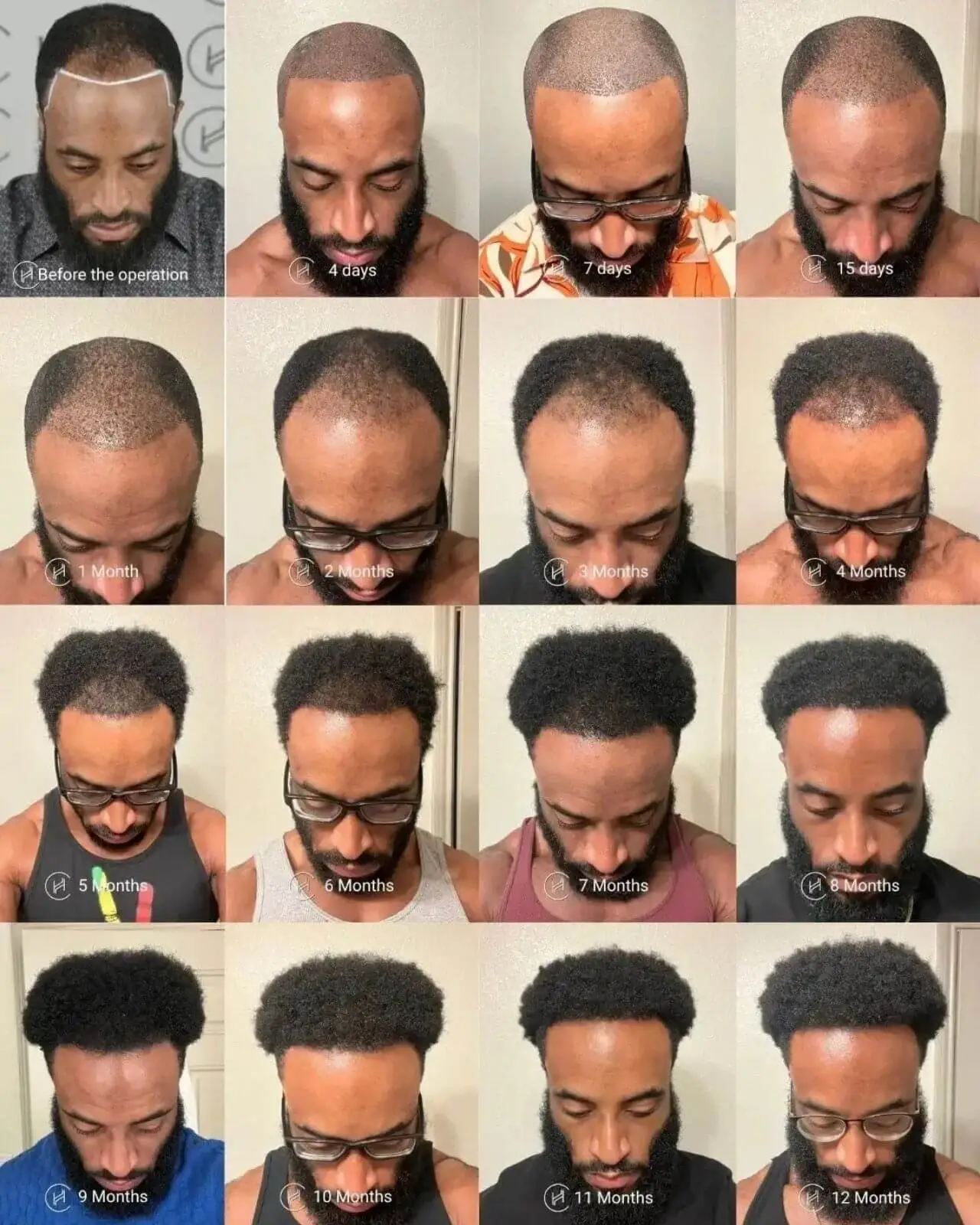
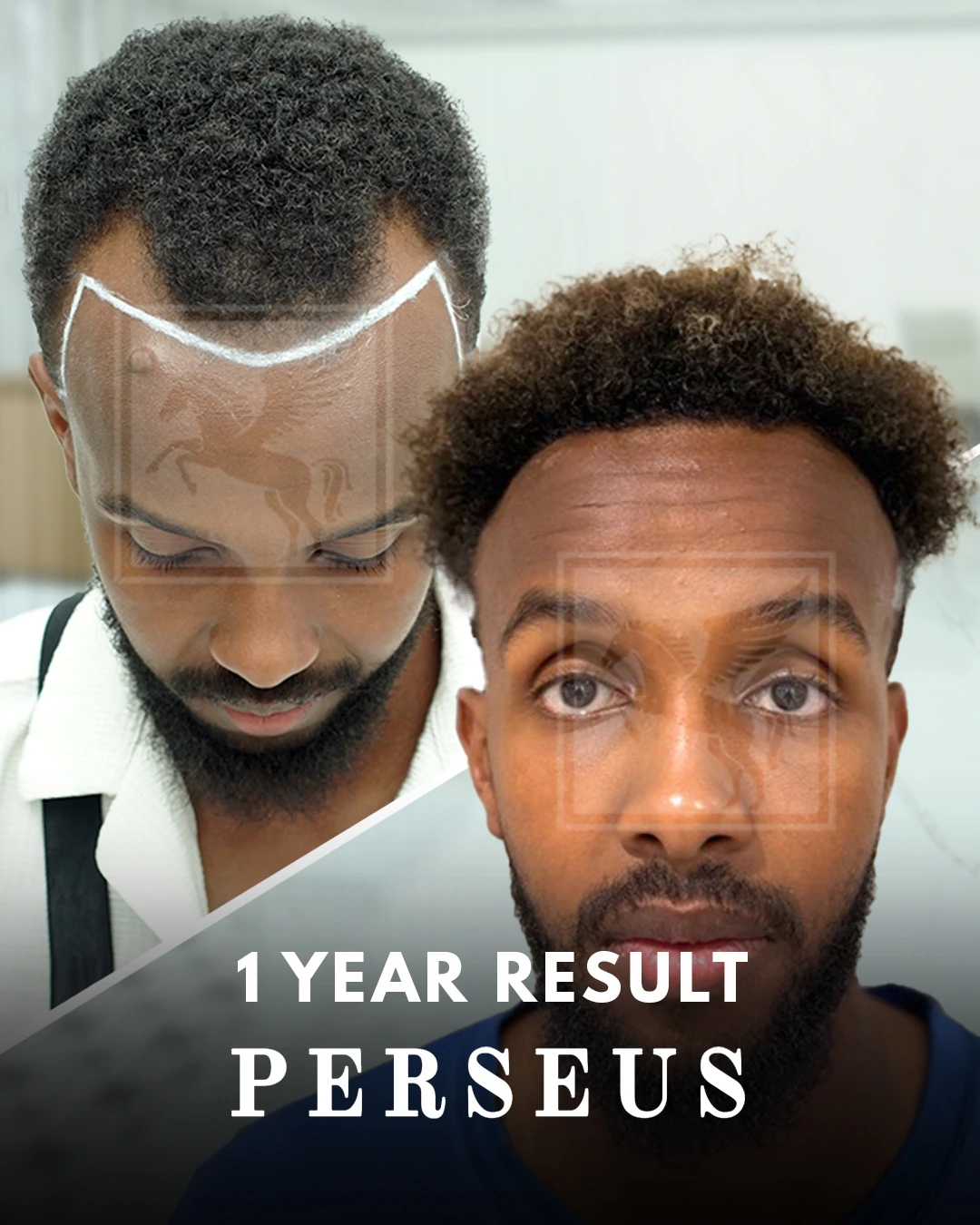
Post hair transplant timeline is the expression of the healing process after hair transplant surgery week by week or month by month with visuals and explanations. For instance, hair transplant care stages for the 1st week is serious than the 2nd one. That’s why following the doctor’s list is crucial from the first week until the end of 1st year after the transplant op. After 12 months, the implanted strands will behave the same angle, shape, color, and texture with your natural strands of hair.
To facilitate the patient’s follow-up, hair transplant professionals add information about these topics to the post-transplant schedule:
- security of hair grafts
- wound cleansing
- precautions against irritation or infection
- hair care tips
- sleeping positions
- UV protection
- hair accessories
- hair growth chart
The above important topics include points to consider after a hair transplant procedure. Wound healing, diet, sleep patterns and duration, hygiene, use of hats… All of them contribute to the superior results obtained from modern hair transplant procedures. By taking attention to these tips, you can move towards a successful hair transplant result. Let’s take a look at the timeline and suggestions below.

Post hair transplant timeline: 10 days after hair transplant hair care
The first 10 days after hair transplant surgery determines 80-85% of the hair transplant result. Most hair transplant patients ask if their grafts are secure after a week of surgery. 7 days is very early to say that your grafts are adapting to the recipient area. Well, what happens in the first 10 days of an ideal recovery? Here are our specialist’s answers:
- Redness on your scalp,
- Slight swelling around the recipient area,
- Feeling more intense,
- Scabbing and crusting,
- Irritation and itching around both the donor area and the previously bald area.
It is common to experience these in the first few days of hair transplant post op. Nothing to worry about. However, if you experience one or more of the following severe symptoms – less than 1% – you should take action:
- Bleeding at the transplant or donor site
- Persistent itching together with multiple acne-like bumps under the skin
- Painful pus-filled lesions, edema, and blister formation on the skin
- Keloid formation or other kind of infections
1 month after hair transplant hair care
Monitoring your progress month by month will help you take precautions if anything goes wrong. Among the post hair transplant photos, you will see many photos of former patients from the first month. Surgeons like to see hair transplant photos every month in order to understand if the recovery is going well.
We asked our specialist what patients should expect one month after a hair transplant. Here are his expectations:
- There should be no itching after 7 days.
- Patients don’t feel any pain even if they touch their newly transplanted follicles hardly.
- Shock loss usually begins between weeks 2 and 8 and can last for months
- They are still sensitive to sunlight, solarium and shock.
- The donor area must be completely healed.
- If you want to learn more details, read out 1 month after hair transplant article!
3 months after hair transplant hair care
A trimester is a long time for hair transplants. When hair starts to grow, the critical period is over. If the post-transplant process goes well until the 90th day, you may experience these:
- After 90 days, there should be no scars left. They should scab over and fall out. You may develop dandruff if they don’t moisturize your scalp well.
- Regrowth may be uneven, with some follicles growing long and others remaining short. It will take time for your hair to return to its natural growth cycle.
- Three months after a hair transplant, you may still have small white pimples or comedones. These are considered to be benign and normal. There will be small pimples as your new hair grows. They will disappear after the first hair growth cycle.
For a deep analysis of the 3rd month after hair transplantation, you can read our 3rd month article!
6 months after hair transplant hair care
6-month is the last period to use post-transplant products. So, until six months, hair care is very critical for the post hair transplant timeline.
- Six months post hair transplant, the appearance of the hair begins to change noticeably. The transplanted hair starts to thicken, although the rate of evolution may vary individually.
- By this time, the new hair reaches a length that makes it easier to cut and style. You can opt for your desired hairstyles and gradually return to a normal hair care routine.
- Despite these improvements, some areas may still appear sparse with uneven density. There may also be variations in the growth rates of the transplanted hair.
- You should still avoid harsh chemicals, dyes and excessive heat styling that can irritate the scalp. Plus, until this month, you need to use a post-transplantation 6-month care set.
1 year after hair transplant hair care
One year after your hair transplant, you can expect to go through such stages:
- Your hair density should increase significantly.
- Scars, redness, subcutaneous acne, etc. should have completely disappeared.
- At least 90% of the transplanted hair should have grown in, and look noticeably thicker, longer and shinier.
- You should not feel any pain or sensitivity when combing your hair, sleeping, swimming, etc.
- Your new and natural hair should be in harmony and look same.
- All of the symptoms you experienced after surgery, such as itching, redness, necrosis in some cases, and pain, should have disappeared.
- Newly growing hair should look just as thick, full, vibrant, and healthy as the hair did before it shed.
- The hair should look extremely natural. There should be no differences in angle or shape compared to the third month; it should blend harmoniously with the natural hair.
Post-hair transplantation key points
Do’s and don’t’s after a hair transplantation procedure comprise 90% of the post hair transplantation cues. The remaining part is to understand the logic and nature of the surgery. This allows you to have realistic expectations and create a personalised recovery routine after surgery, in line with medical resources.
How should you take care of your hair and scalp from now on?
Implanted hair follicles and the post-op tired scalp require 14 days of diligent care. The naturalness of the angle of the hair, the repair of the damaged skin layers, the attachment of the hairs to their new roots… Therefore, all of them depend on hygienic care and a meticulous patient approach.
Do’s and don’ts
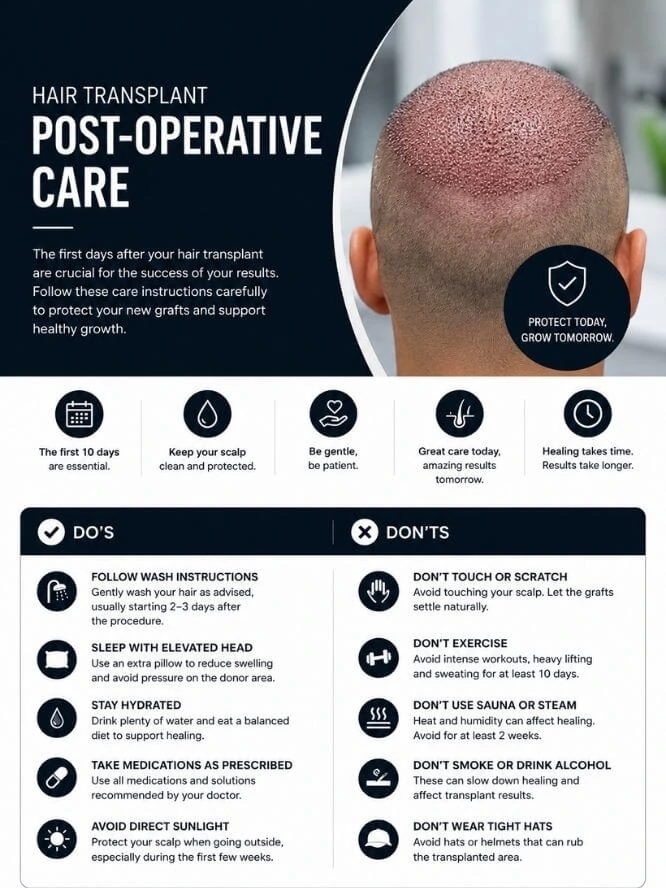
What to Do After Transplant?
In the first 24 hours, and especially in the first 30-35 days of recovery, there is a list of habits to be followed or abandoned.
What to do right after procedure:
✅ Follow proper post-operative hair transplant care: So, keep your scalp clean and clear of infection to promote graft viability.
✅ To help maintain scalp hydration and promote healing, use a gentle, sulphate-free shampoo.
✅ Apply a post-operative scalp serum: Using hair growth serums with biotin and minoxidil can help anchor the follicles.
✅ Make sure you sleep with your head raised. Doing so will prevent swelling and pressure on the grafted area, and improve circulation.
What Not to Do After a Hair Transplant?
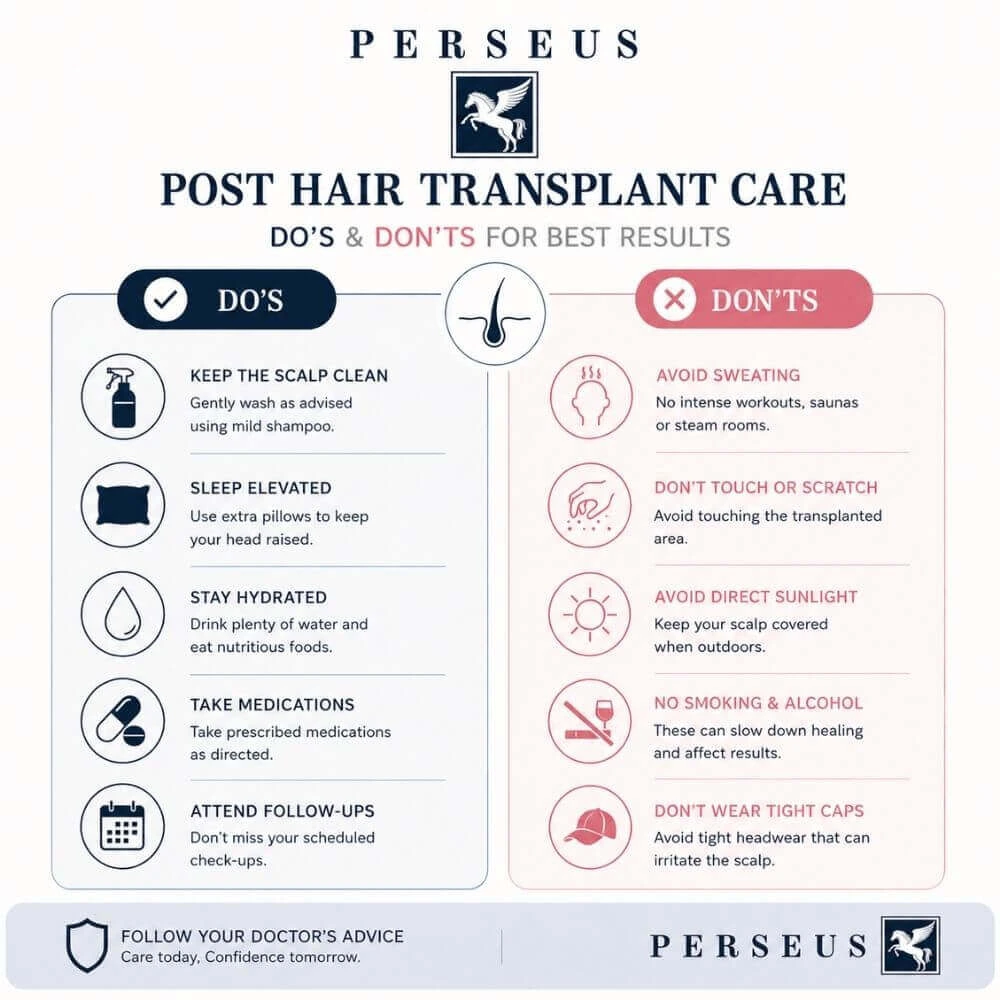
Don’ts after transplantation to your hair&scalp:
❌ Avoid direct sunlight. UV rays can harm healing skin and interfere with graft fixation.
❌ Don’t scratch & rub the operated area: Thus, it avoids trauma to the follicle and reduces the possibility of scarring.
❌ Avoid hard physical activity: Intense exercise can increase blood tension and affect the graft’s adhesion.
❌ Do not wash your hair too soon: Too much water pressure can disturb placed follicles in the early post-operative period.
The first hair wash in post-op
You should be sensitive when washing your hair in the first post-op week. You can follow these post hair transplant care tips:
- Use water at a low pressure.
Gently wet your hair with lukewarm water and apply the post-op hair shampoo. - Leave it on for five minutes and avoid touching or rubbing the grafts.
- Rinse off using the same low-pressure source of lukewarm water.
- Do NOT squeeze your hair while rinsing.
- Avoid using a hairdryer.
- You can use a post-transplant conditioner to moisturise your hair.
- Do not dye your hair for at least 90 days.
- After hair transplantation, you may initially wash your hair once a day and then every other day.
- Use a hair transplant kit for at least the first three months; regular shampoos and creams are forbidden.
- If you notice necrosis, contact the clinic immediately. Please do not confuse it with pimples; check their images.

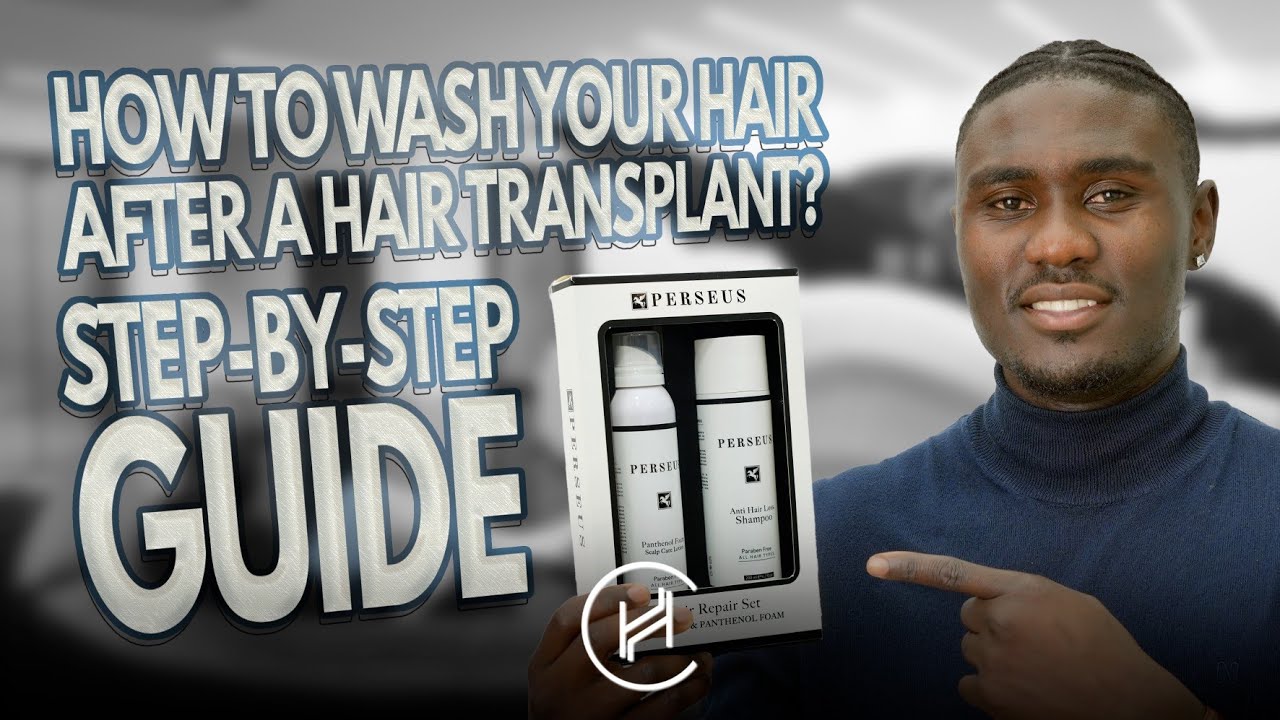
How to Wash Your Hair After Hair Transplant: First 15 Days Video Guide
Proper healing requires both the right washing technique and the highest quality scalp care. In this video guide, Heva Clinic experts demonstrate the exact step-by-step washing process for the critical first 15 days, specifically highlighting why specialized formulations make all the difference. To maximize graft survival and accelerate recovery, Heva Clinic explicitly recommends utilizing premium Perseus products during this delicate post-transplant phase to deeply nourish the scalp and protect your new hair.
Is it necessary to spray saline?
Sea water spray is also used after rhinoplasty to heal the wounds. Similarly, after a FUE hair transplant, saline spray is preferred to prevent infection of the tiny wounds on the scalp. Immediately after the operation, you will need to spray saline every 30-45 minutes to keep the wounds clean. After the 3rd day, the saline is usually stopped and replaced with post-hair transplant sets.
Hair oils in post hair transplant care tips
Often people consult doctors to massage oils such as castor, coconut, sesame, calendula, aloe vera, tree tea oil into the surgeried scalp. But never apply a substance to your skin that is not tailor-made for transplant aftermath. The grafted hair will absorb these oils and become more open to infections before it heals and the grafts may dislodge. You can test out the custom-designed ozonized hair oil only for post-grafting aftercare.
Post Hair Transplant Photo Gallery
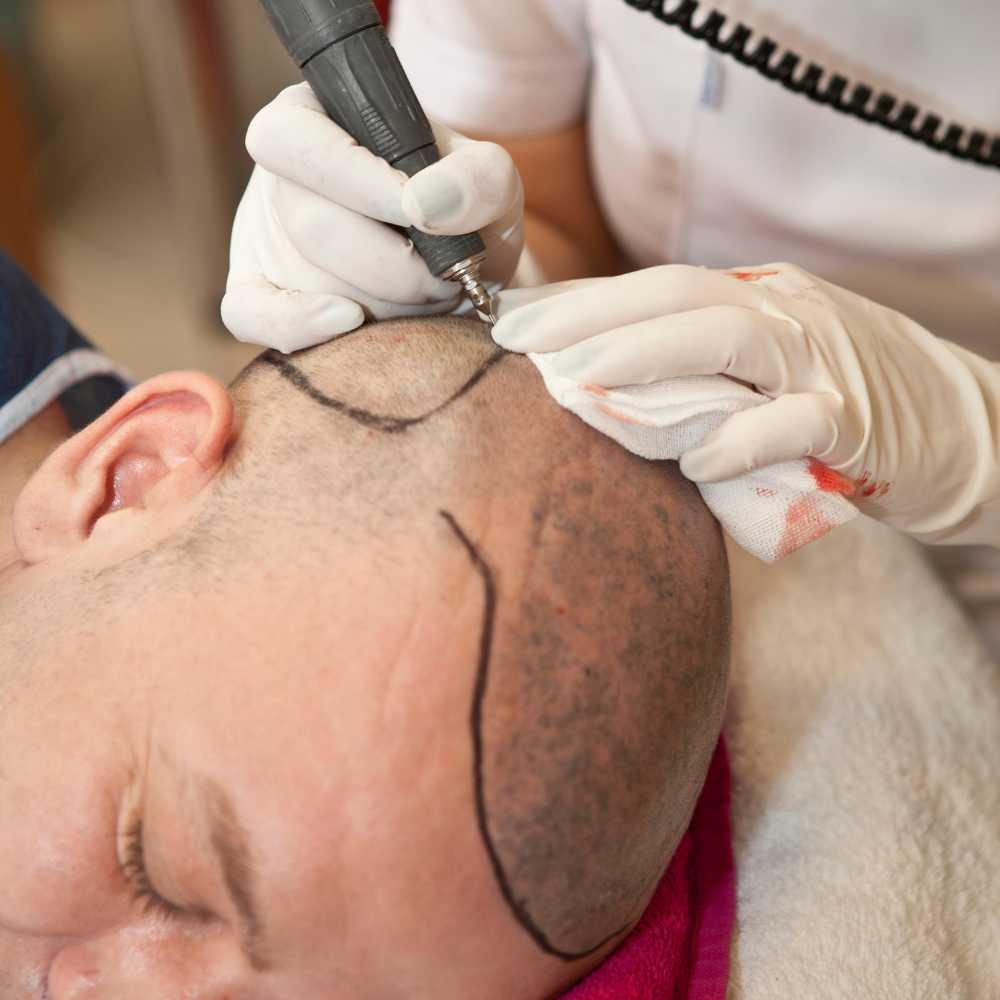
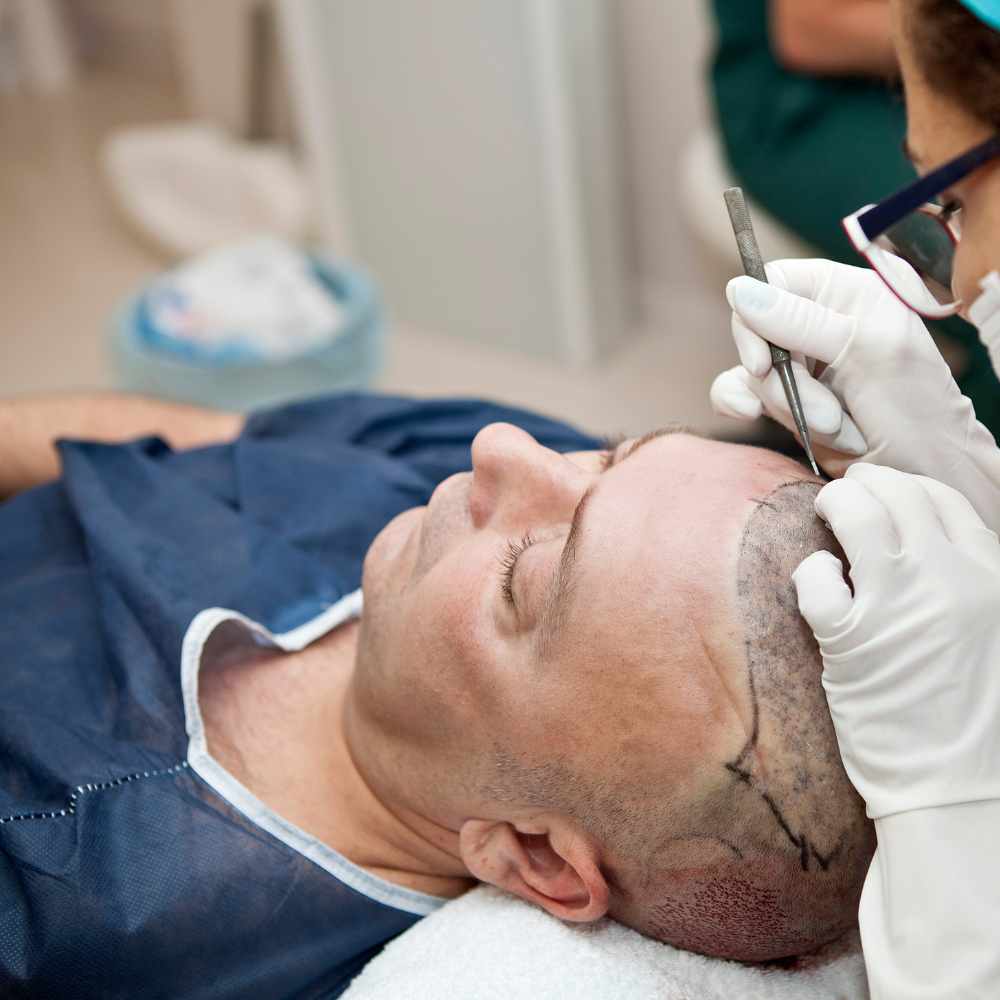
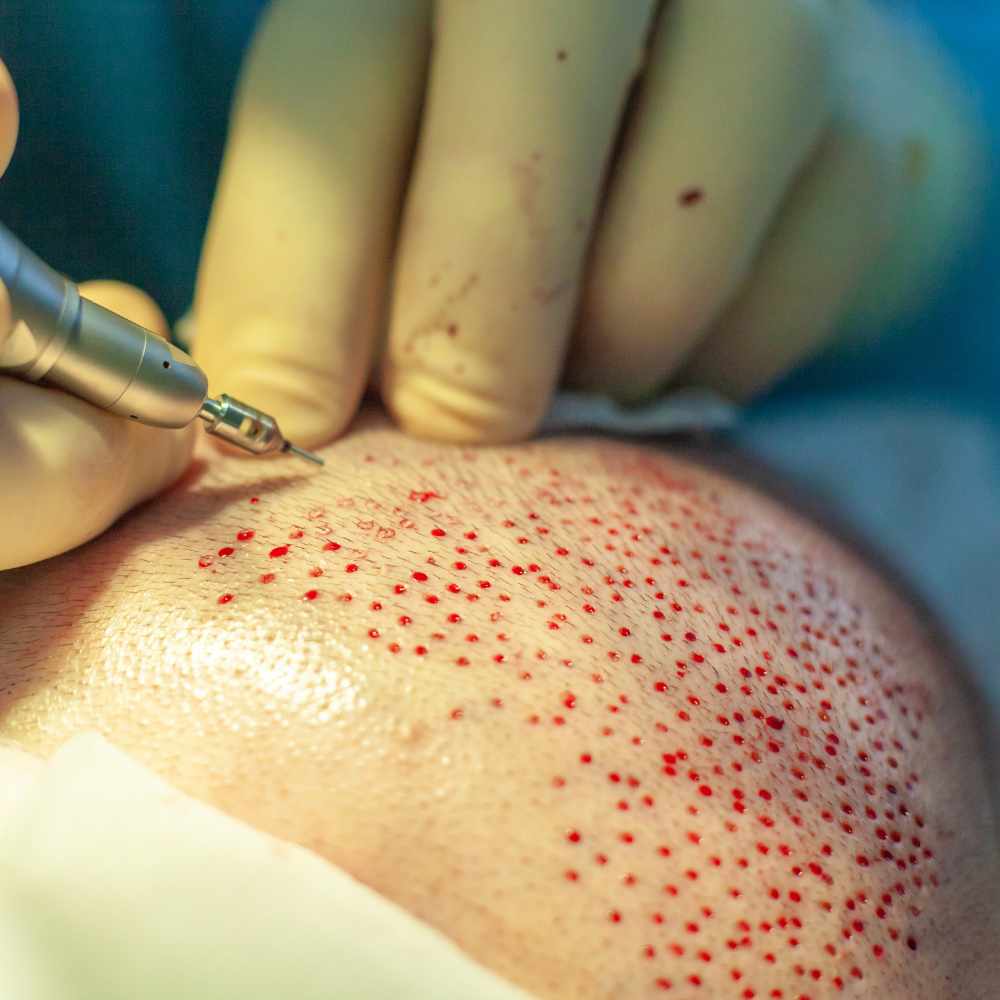
In this photo gallery of the Perseus Hair Care, you can view images related to the hair transplant procedure and its aftermath:
Photos Taken During Hair Transplant Surgery
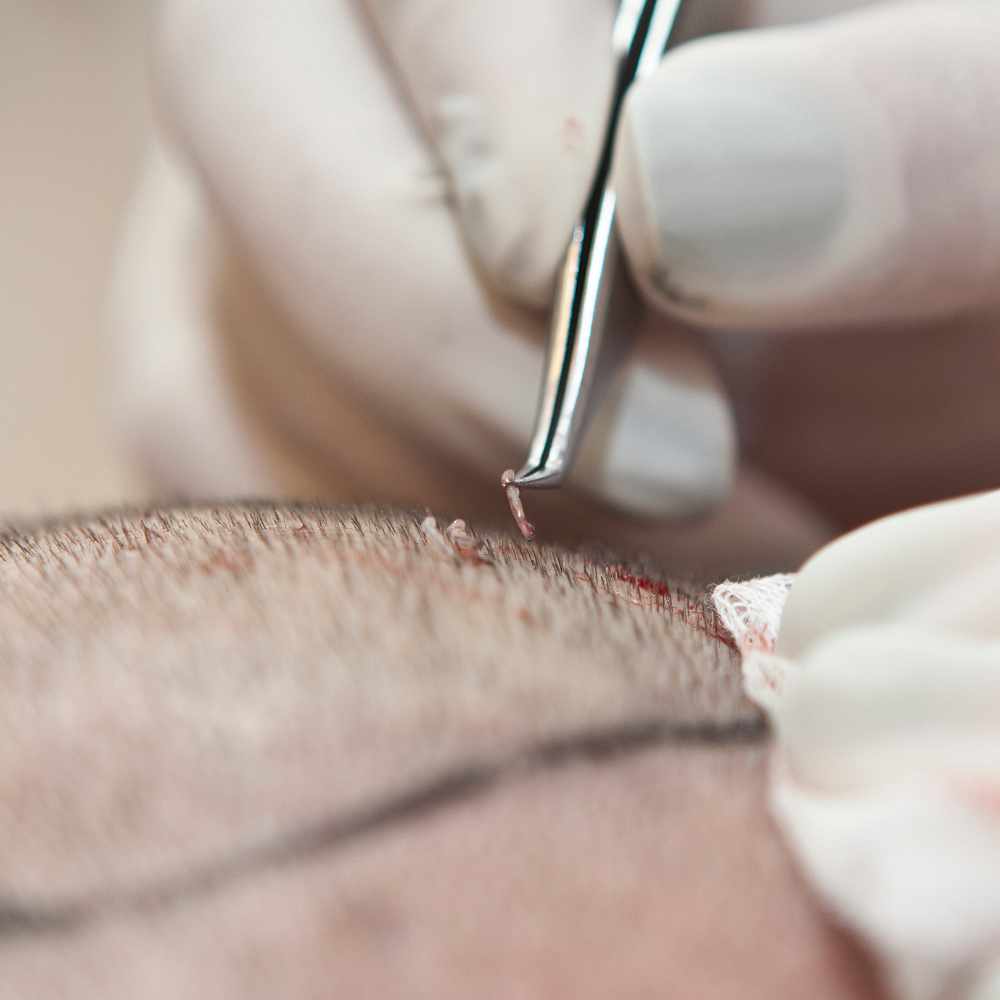
2. Post-Transplant Photos
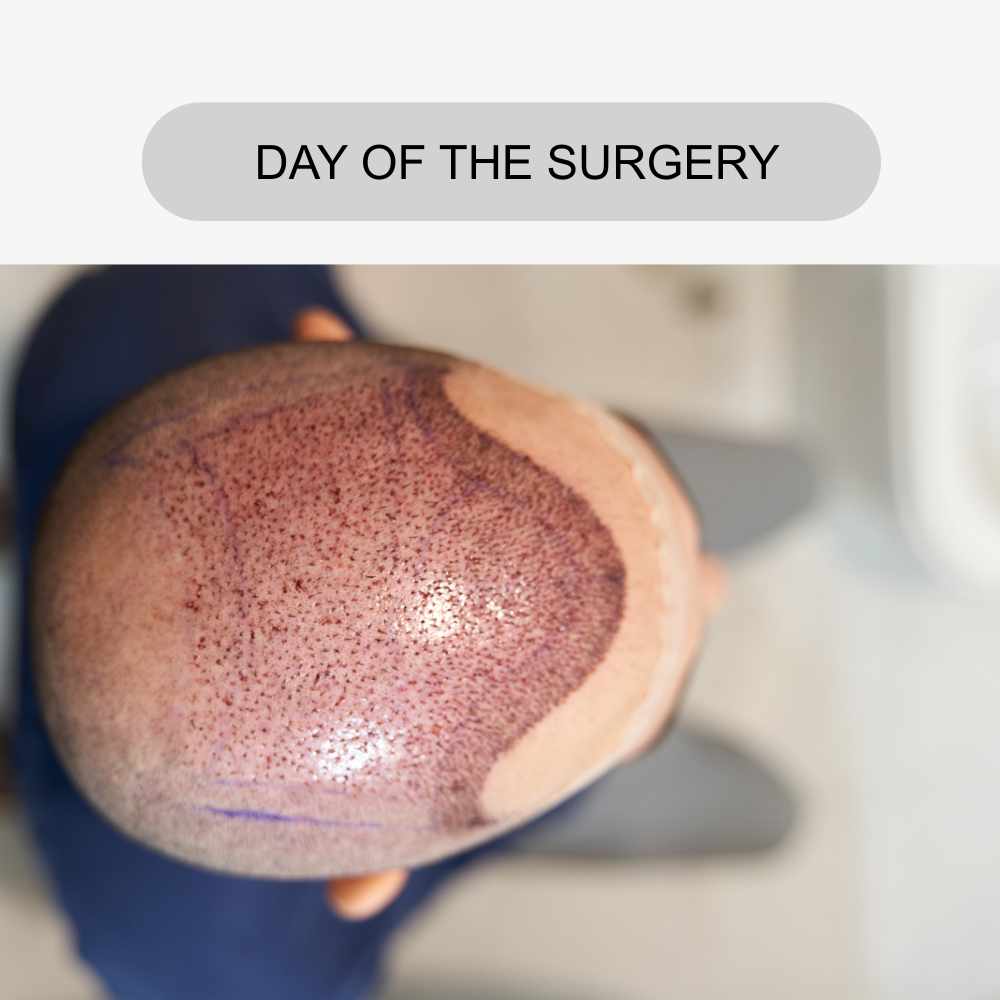
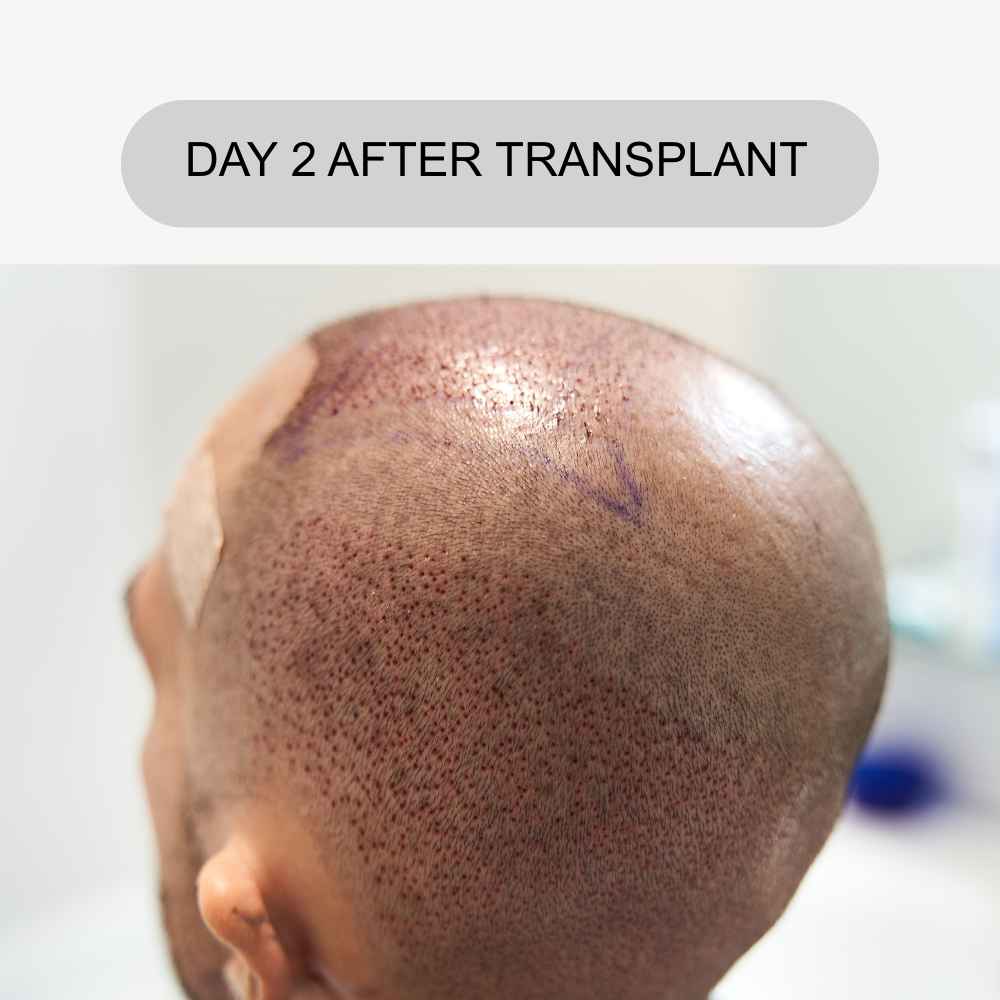
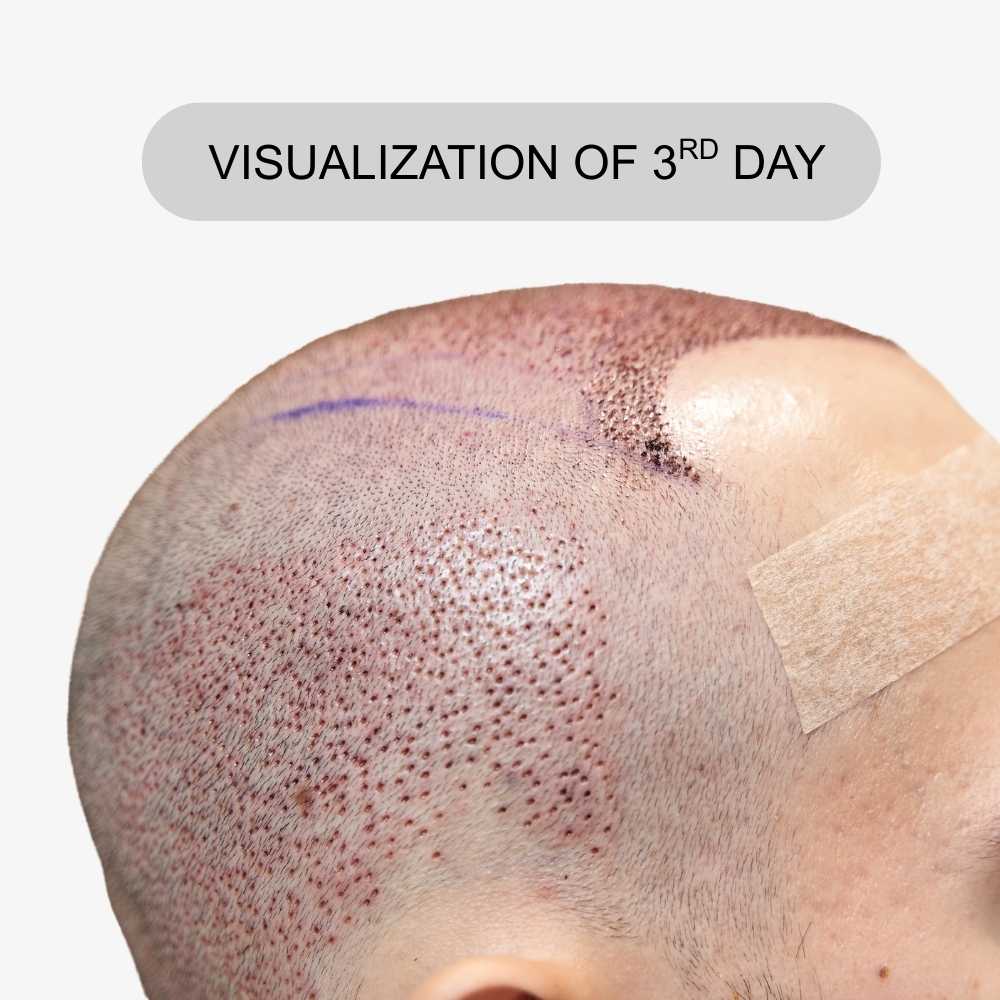
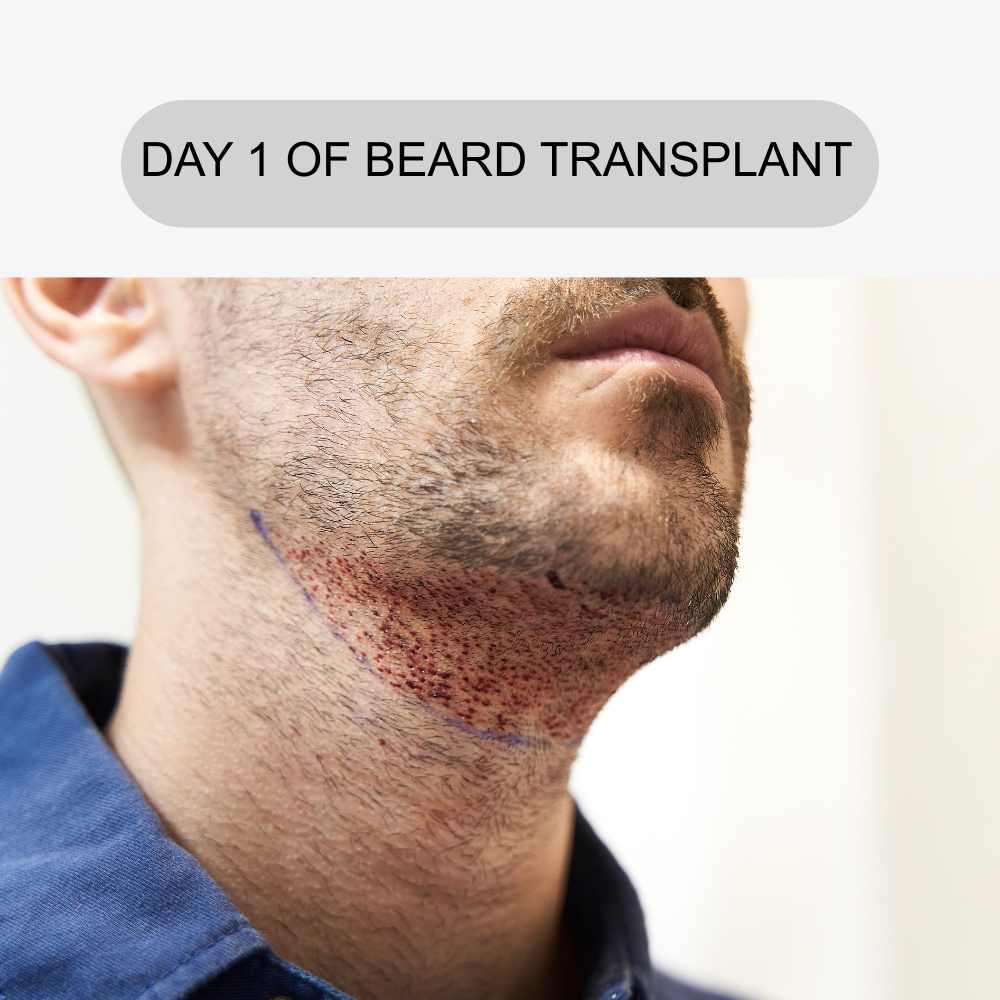
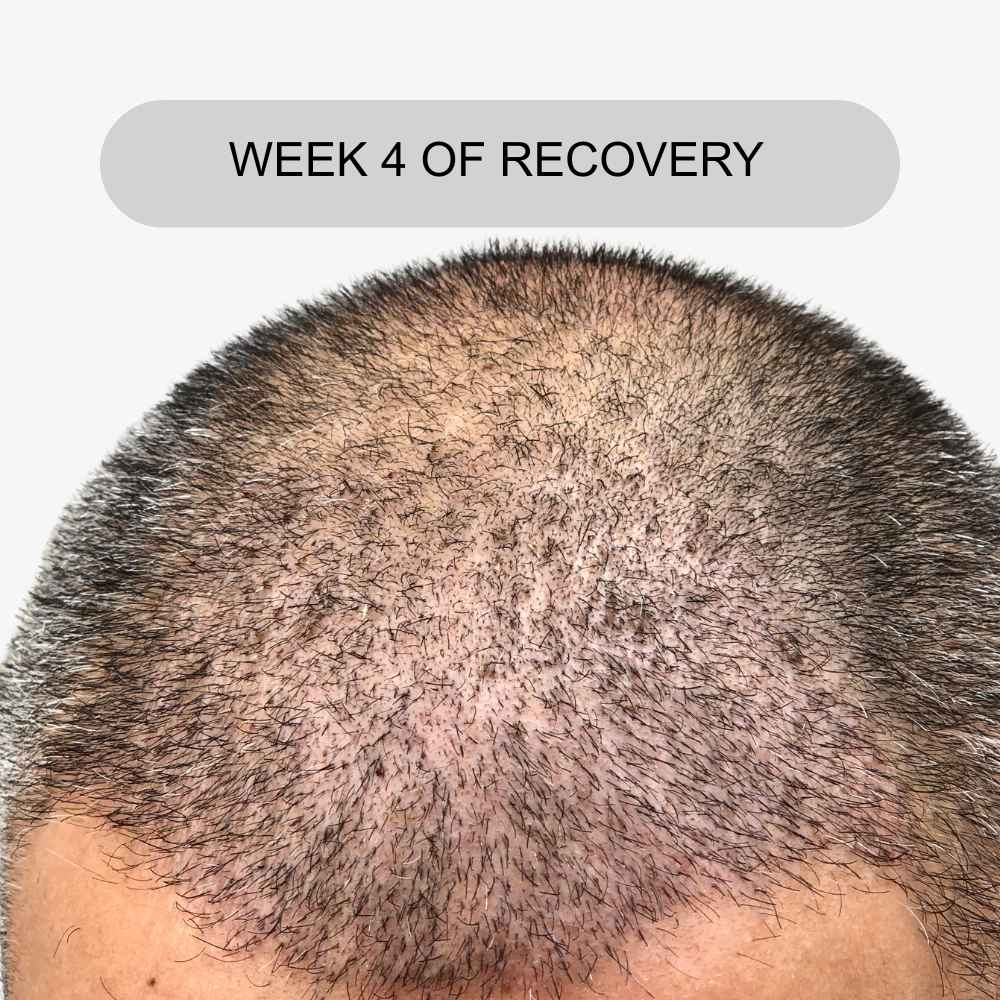
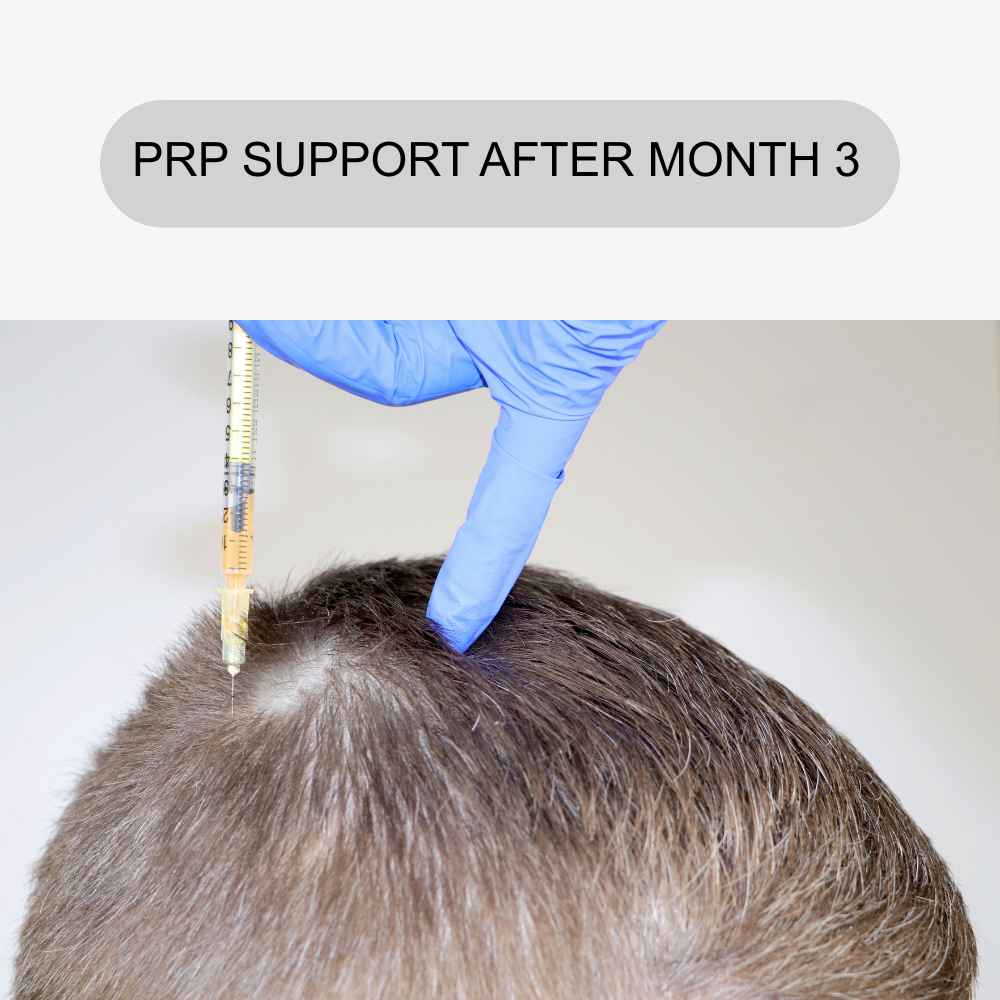
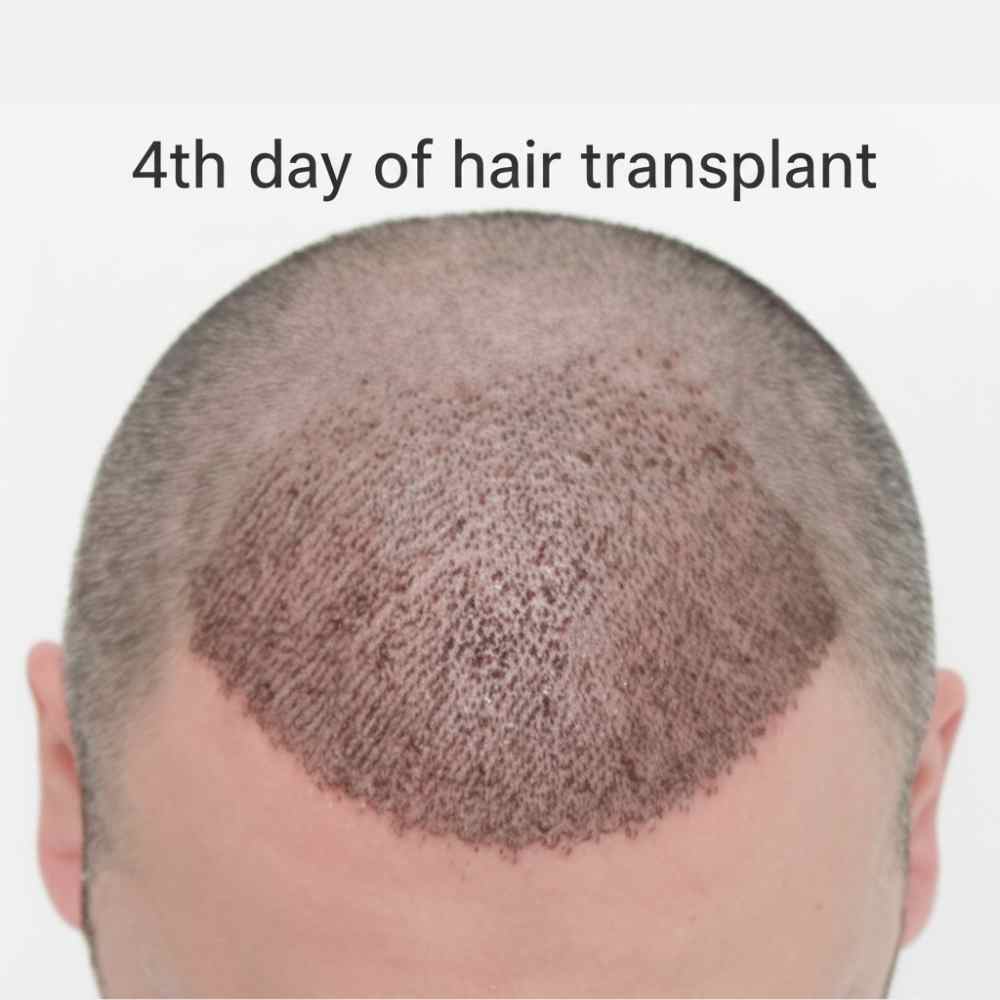
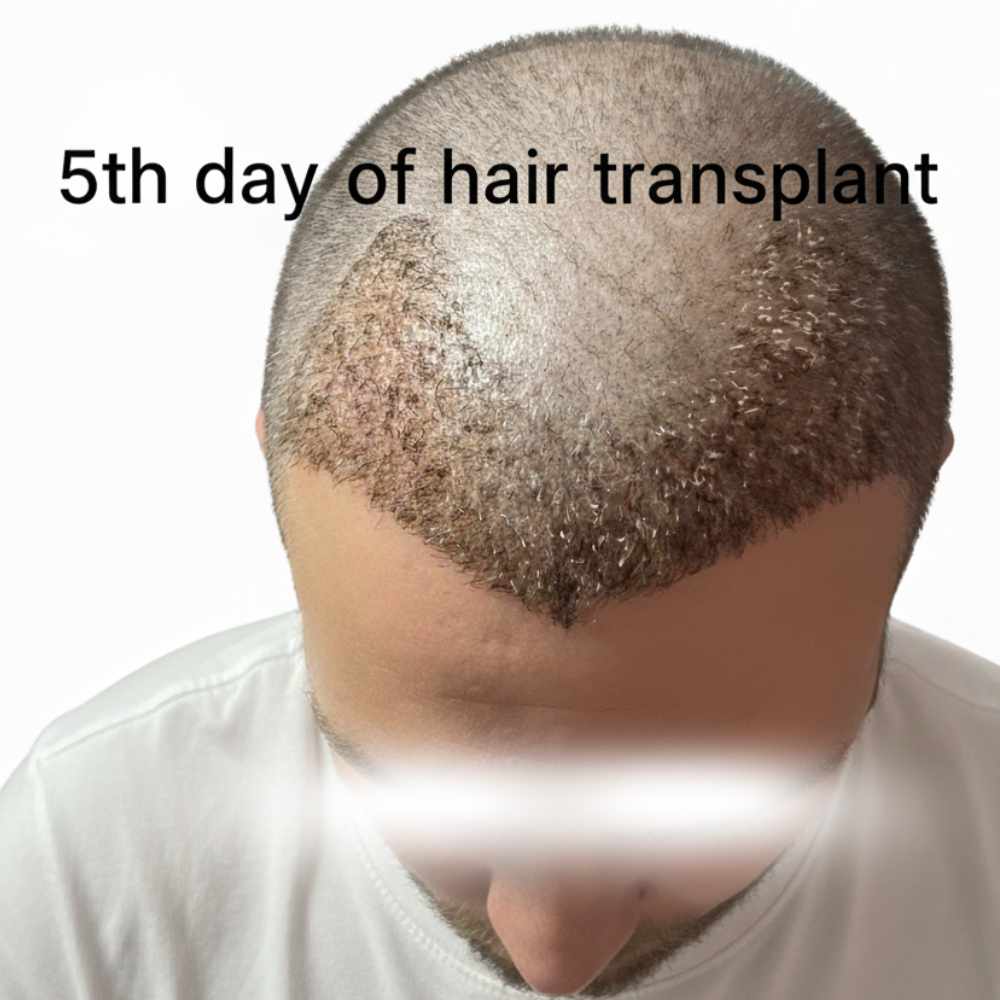
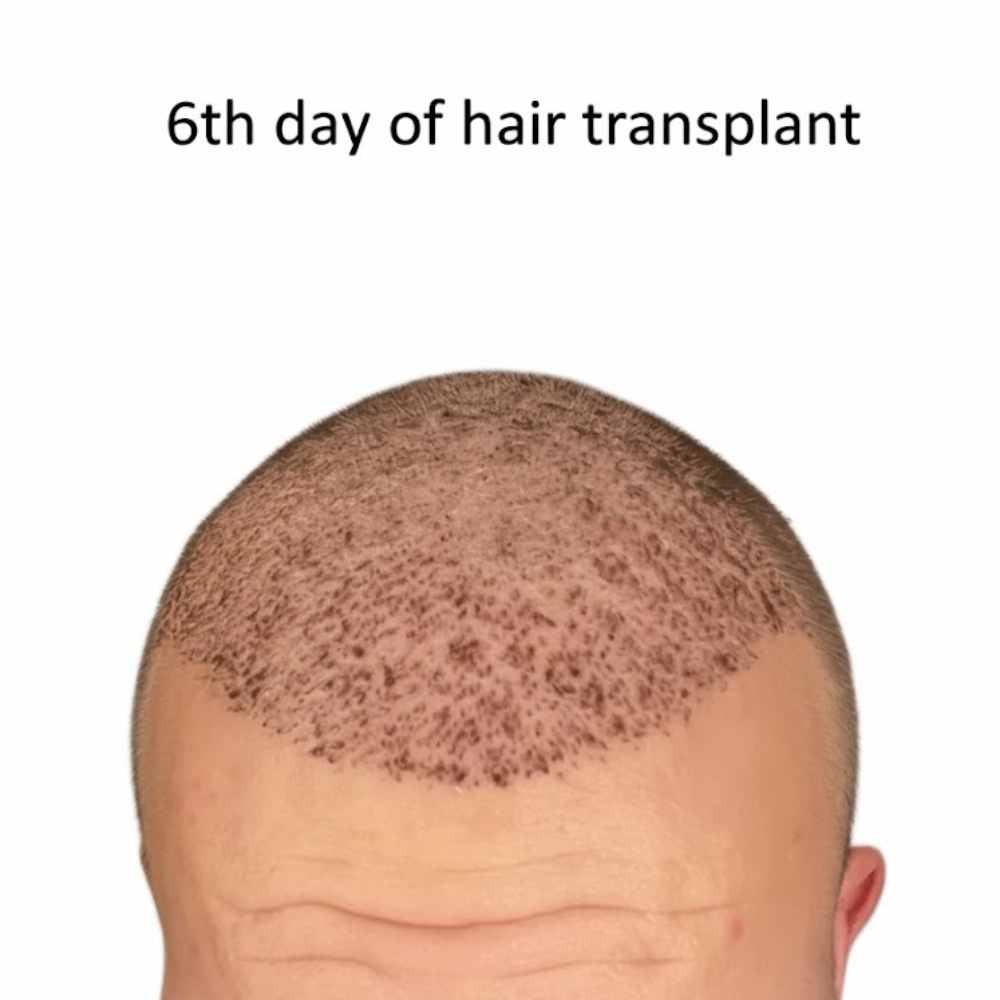
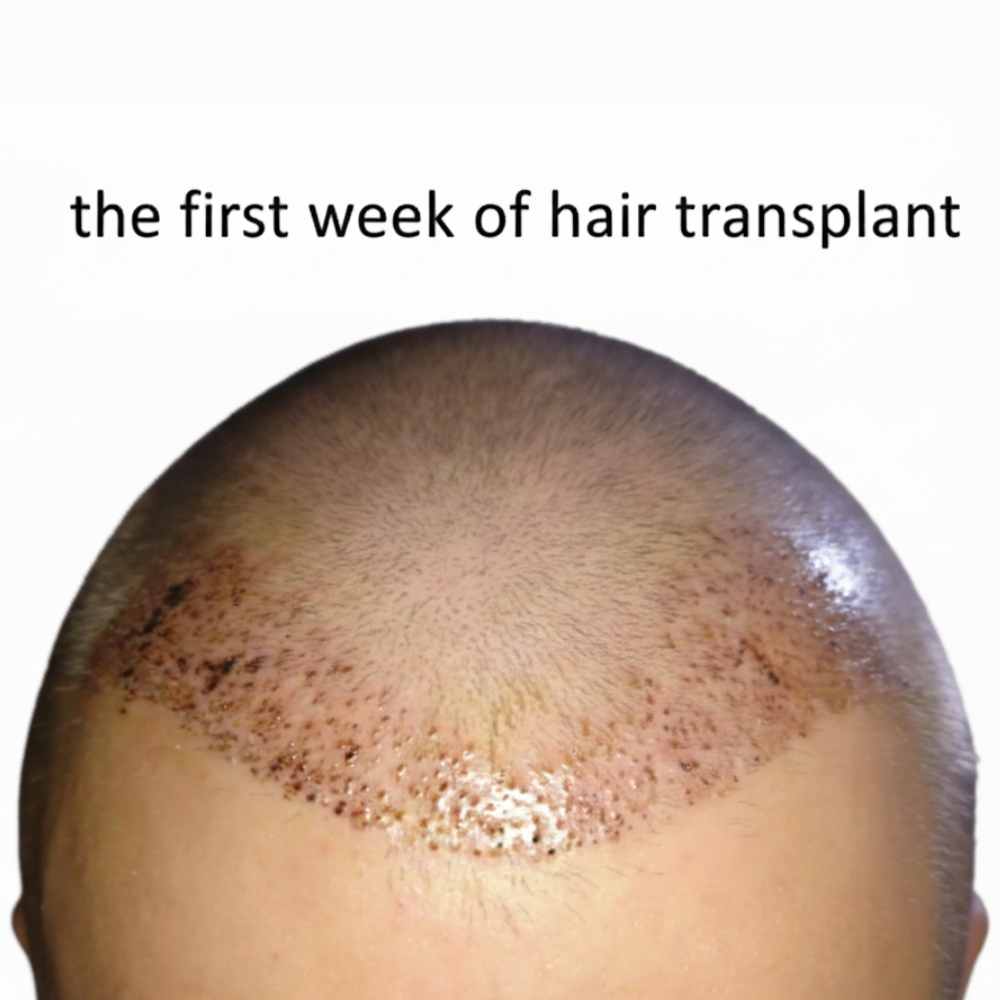
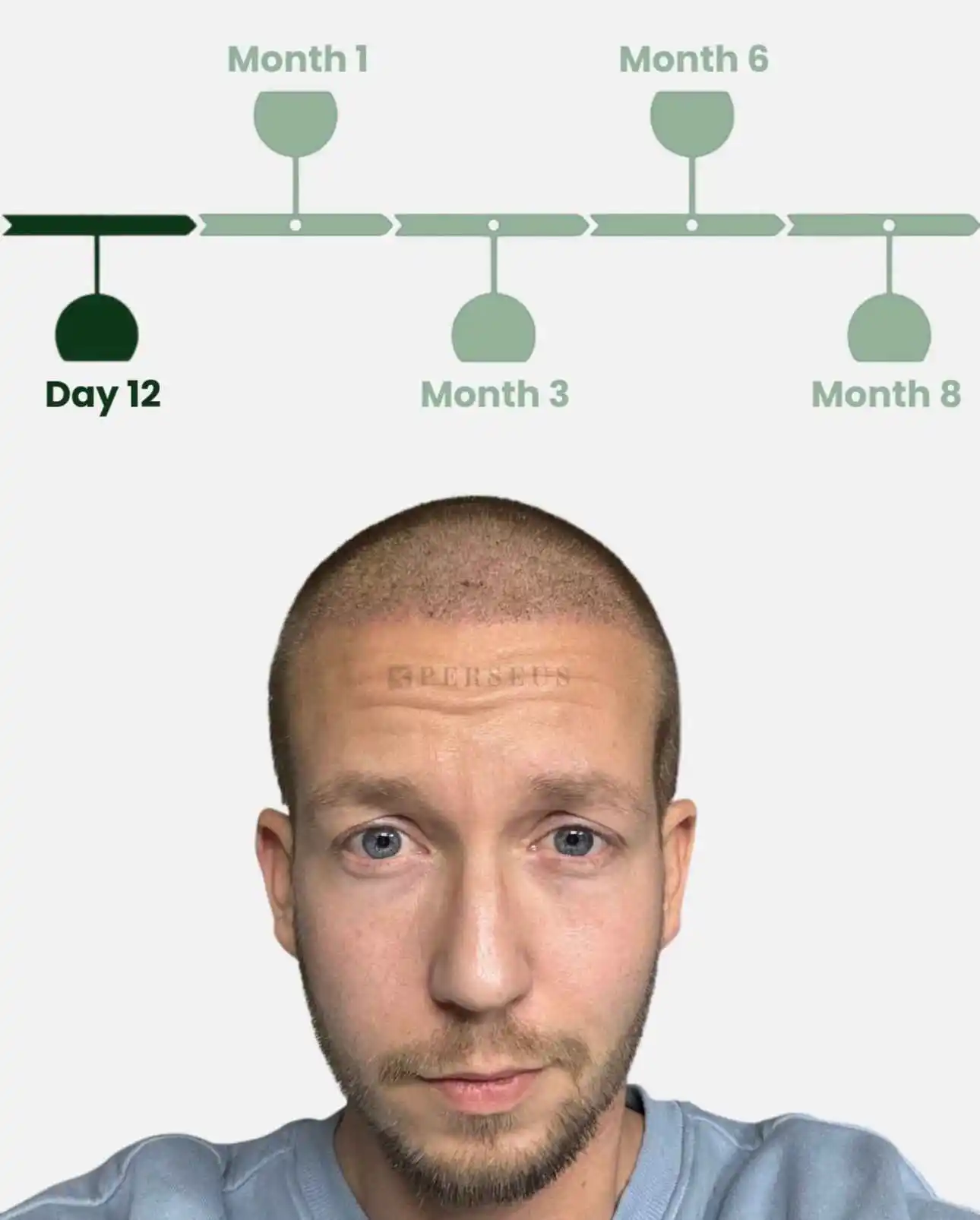
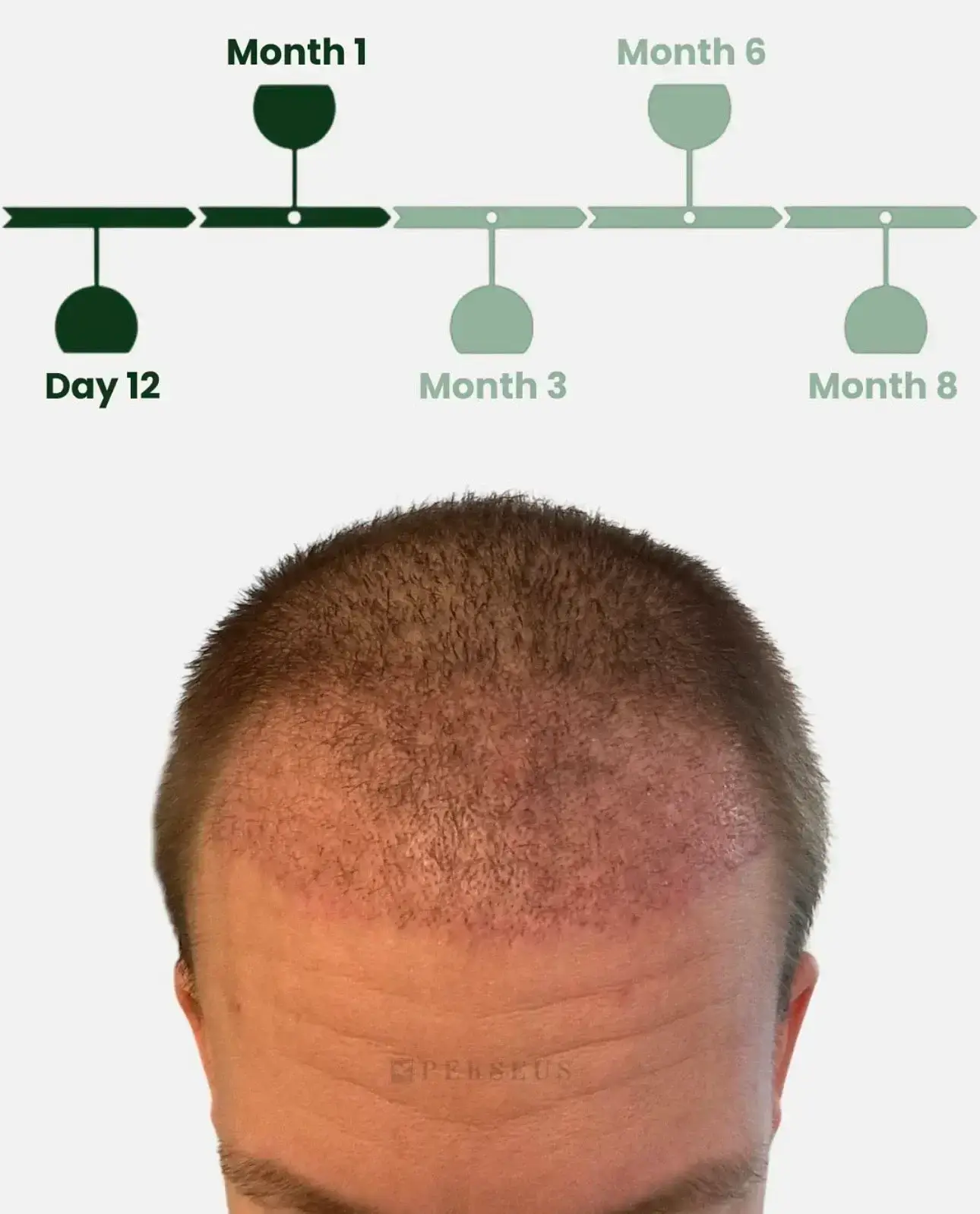
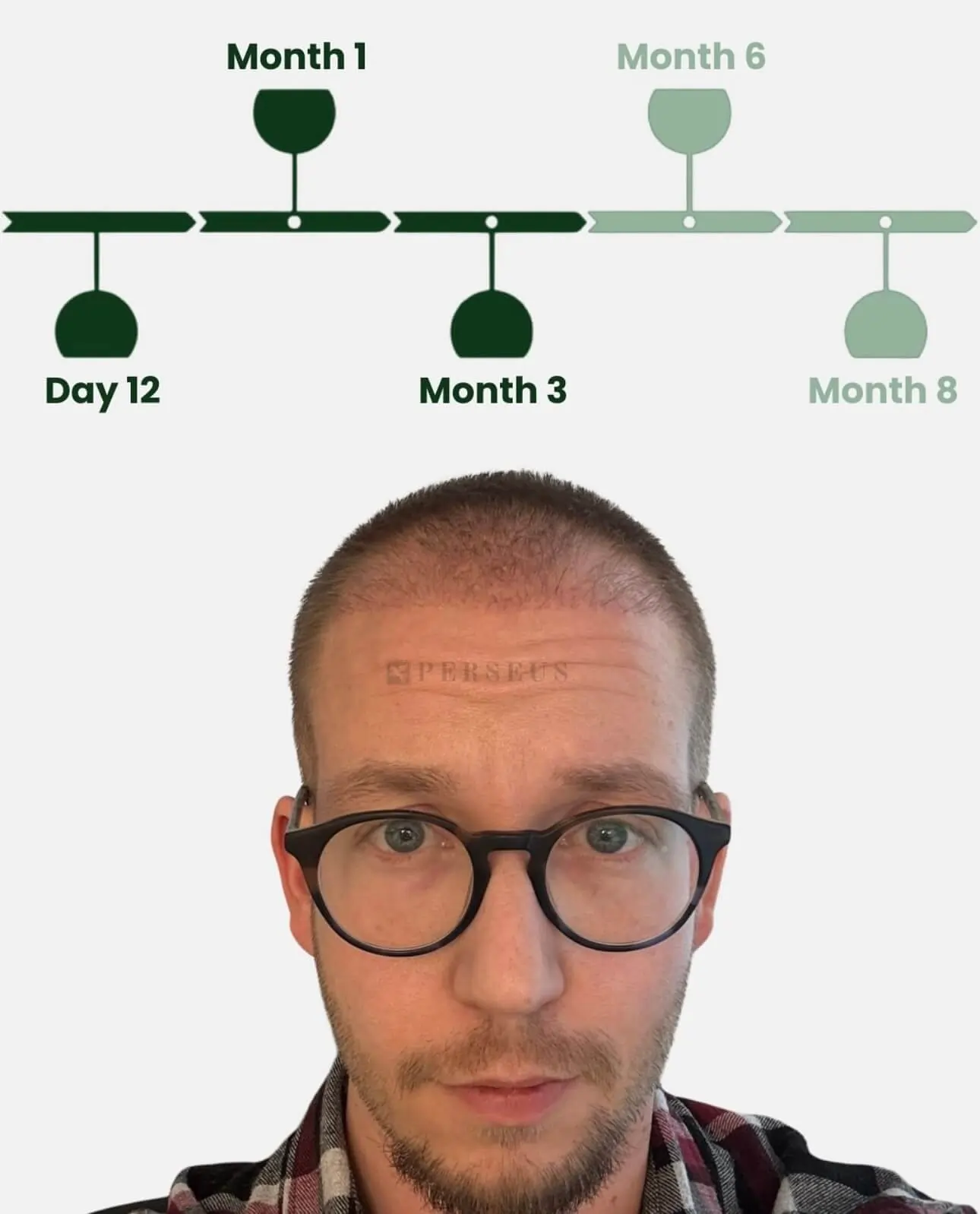
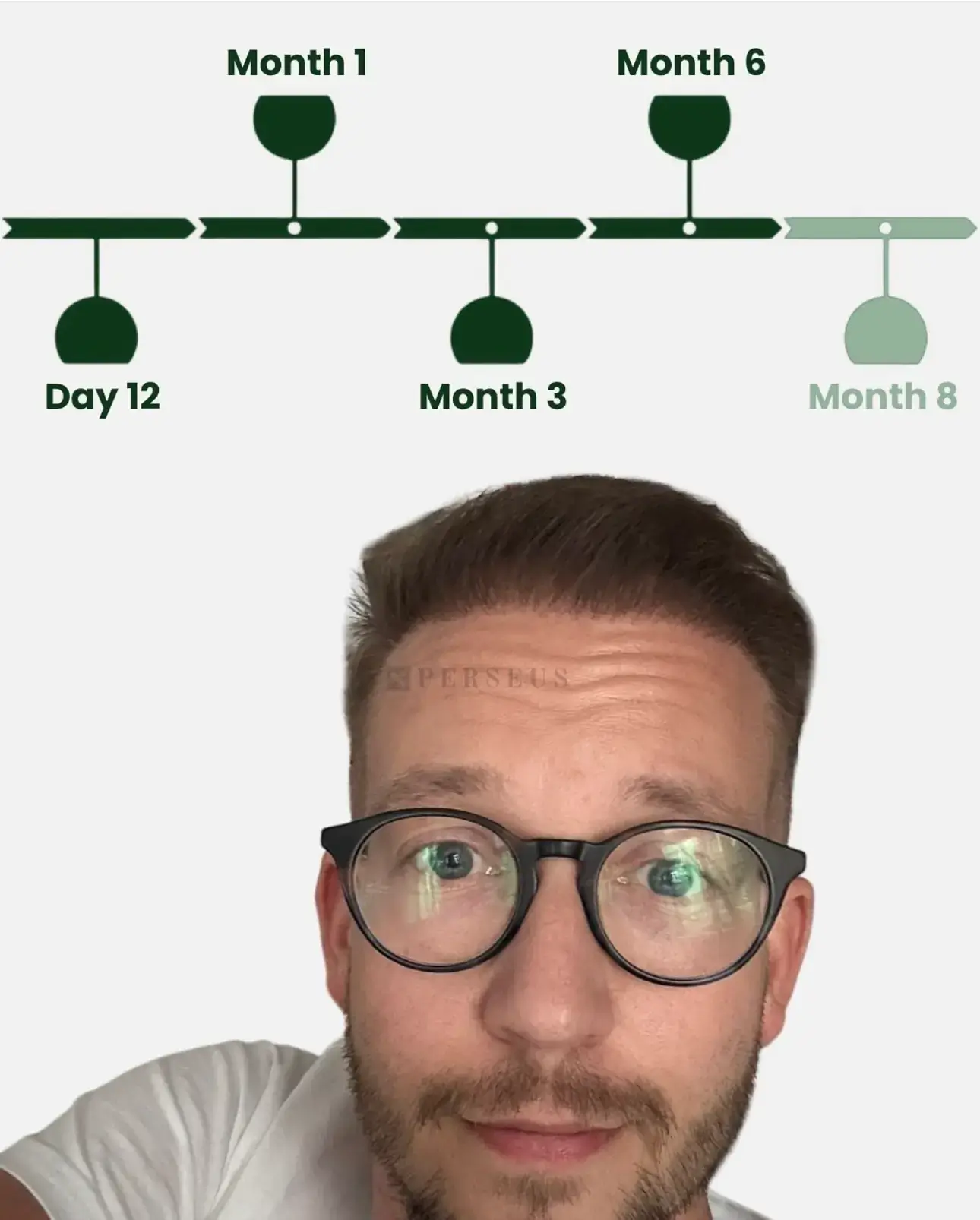
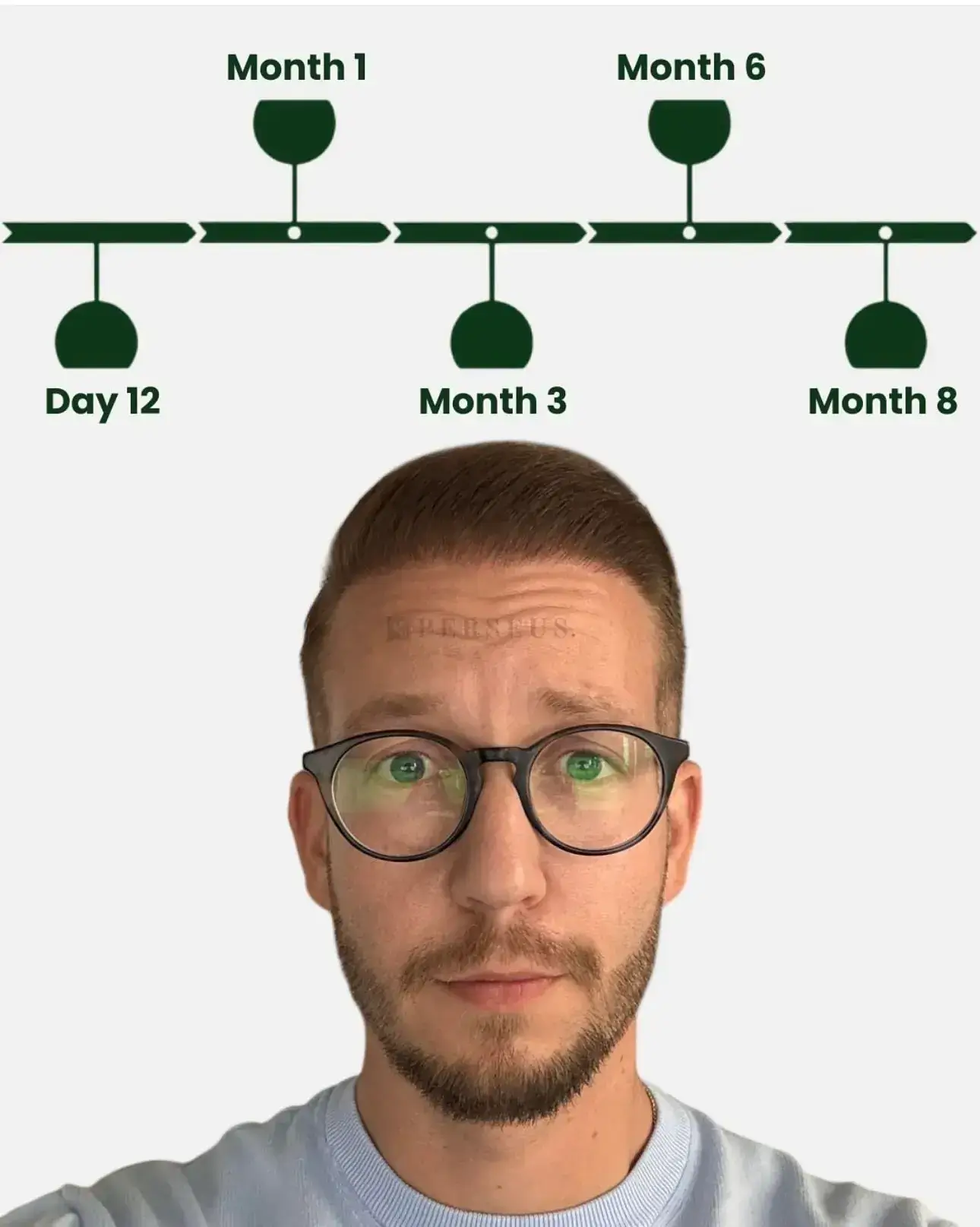
Photo gallery of a real patient’s recovery timeline
The patient is a middle-aged blonde man. He has advanced Norwood hair loss and has undergone a transplant involving an average of 4,000 grafts. He underwent his FUE hair transplant procedure at Heva Clinic, one of Turkey’s premier clinics. The photos below show the patient from 12 days to 8 months after the FUE operation.
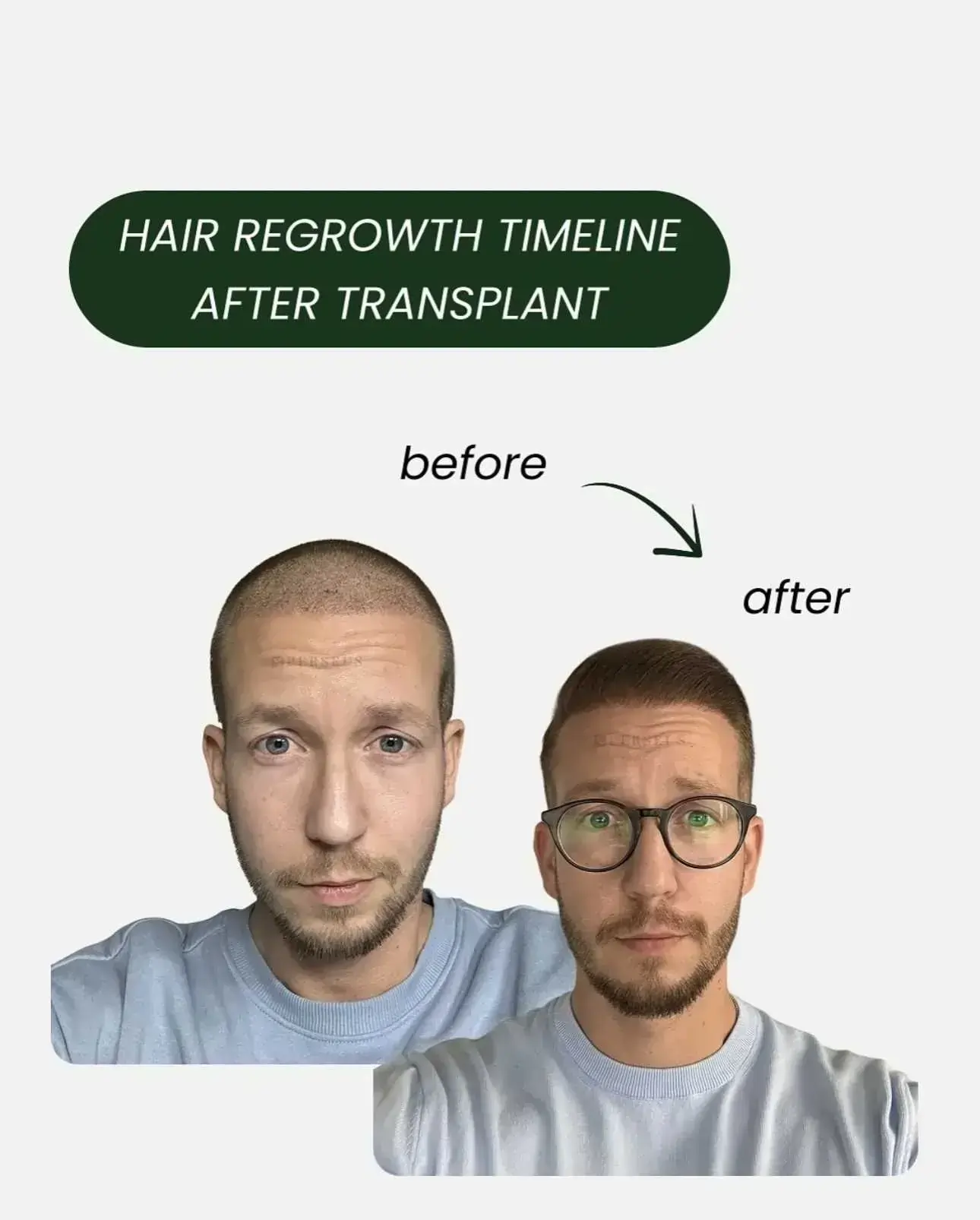
Hair Care and Treatments After Hair Transplantation
How to Comb Your Hair After Hair Transplantation?
The complete adaptation (fixation) of hair follicles to the tissue takes approximately 10-14 days.
DO NOT Comb for the First 2 Weeks
- Combing the hair in the donor area: Starting from the 15th day, only the donor area (back of the head) can be gently combed. Instead of using a comb for the first 15 days, you can gently untangle knots with your fingers.
- Combing transplanted hair: When the transplanted hair begins to grow (usually after the 3rd month), it should be combed from the surface without pressing on the scalp, using wide-toothed and soft-tipped brushes. Rough movements can damage the follicles, which are not yet fully strengthened. You can purchase a special comb for after hair transplantation or obtain a soft-bristled comb and gently comb your hair (without touching the skin).
How Many Months After Hair Transplantation Can I Dye My Hair?
Hair dyes contain harsh chemicals such as ammonia and peroxide. After the operation, the scalp is very sensitive and the pores are open.
- Ideal Time: Medical articles recommend waiting at least 6 months before dyeing your hair.
- The reason: Chemicals can increase the risk of folliculitis and hair root inflammation in grafts that are still healing and can negatively affect hair growth rates.
How Long After Hair Transplantation Can You Shave?
The rules for shaving differ for the donor area and the transplant area:
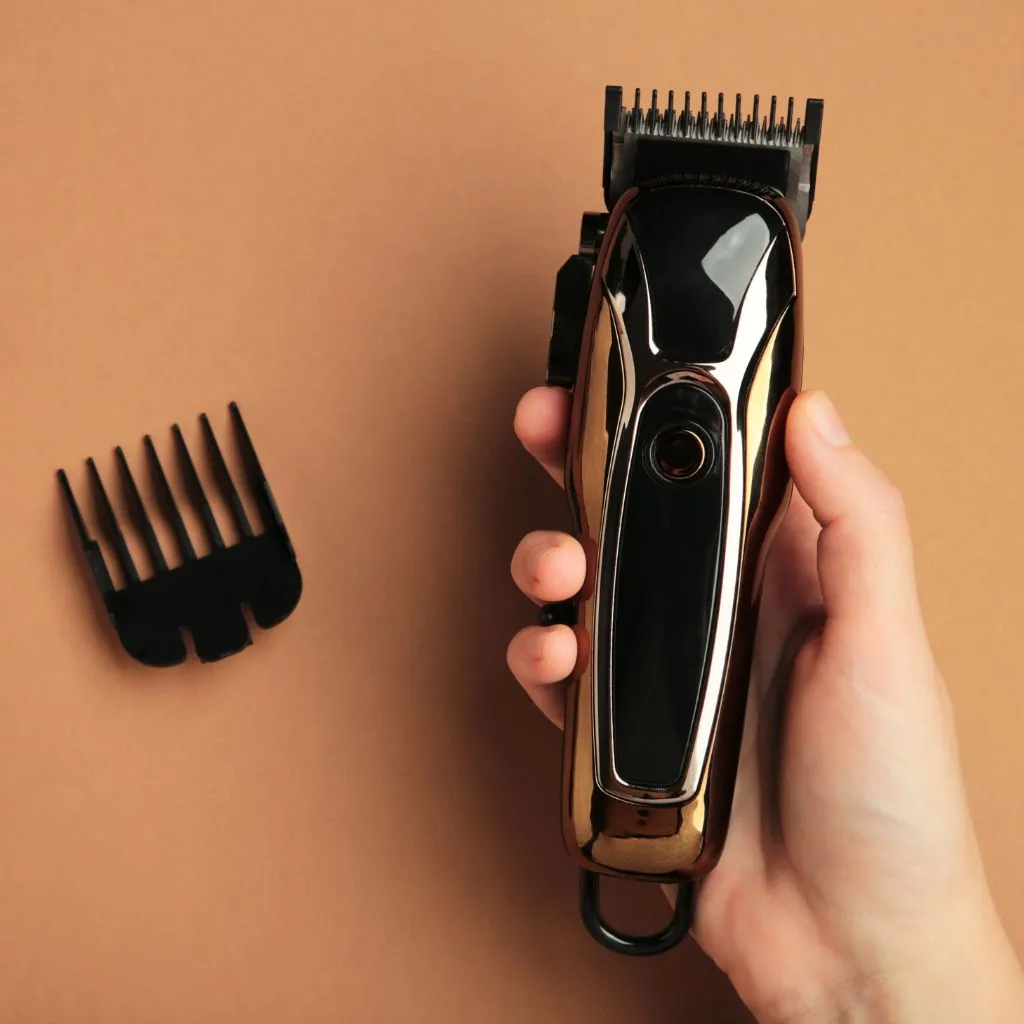
- Nape Shaving: Donor area can be shaved with clippers or scissors 1 month after the operation. The scissors or razor head used must be sterile. There is still a risk of folliculitis in the healing pores. For the first 1-2 months, avoid shaving the donor area with a zero blade. As the skin surface remains sensitive, razors may irritate the skin and increase redness. The clipper should not be pressed too hard against the skin during shaving. To reduce the visibility of small white spots (hypopigmentation) that form where grafts are taken using the FUE method, it is aesthetically preferable not to cut the hair too short.
- Transplanted hair shaving: The area should not be touched at all for the first month. Only scissor shaving is allowed between 1-3 months.
For the first 6 months, the transplanted area should not be shaved with a trimmer. The trimmer may pull out the roots or cause microtraumas to the skin.
Sexual Activities during the Recovery Process
Can I go back on birth control pills after hair transplantation?
You can usually return to work two weeks after the operation. However, due to the effects of these drugs on the risk of thrombosis, you must consult the surgeon who performed the operation.
How long after can I take the morning-after pill?
Because it contains high doses of hormones, it can cause sudden edema and blood pressure changes in the body. In necessary cases, it can be used after the first 10 days of the critical recovery period. Having sex during the first 10 days after hair transplantation is also risky.
Hair Spray, Straightening, and Braiding After Hair Replacement Surgeries
These procedures categorize under aesthetic styling and are related to the healing of grafts.
When can I spray my hair?
A minimum of 3 months should be waited for them. Spray residue can clog pores, preventing the scalp from breathing and potentially causing breakouts.
2. How can I straighten my transplanted hair?
Heat damages the protein structure of the hair. Transplanted hair is very vulnerable to heat treatments for the first 6-8 months. It is not recommended to use them before this period. If you want to avoid this risk completely, do not apply heat to your hair for the first year.
3. When can I braid my new hair?
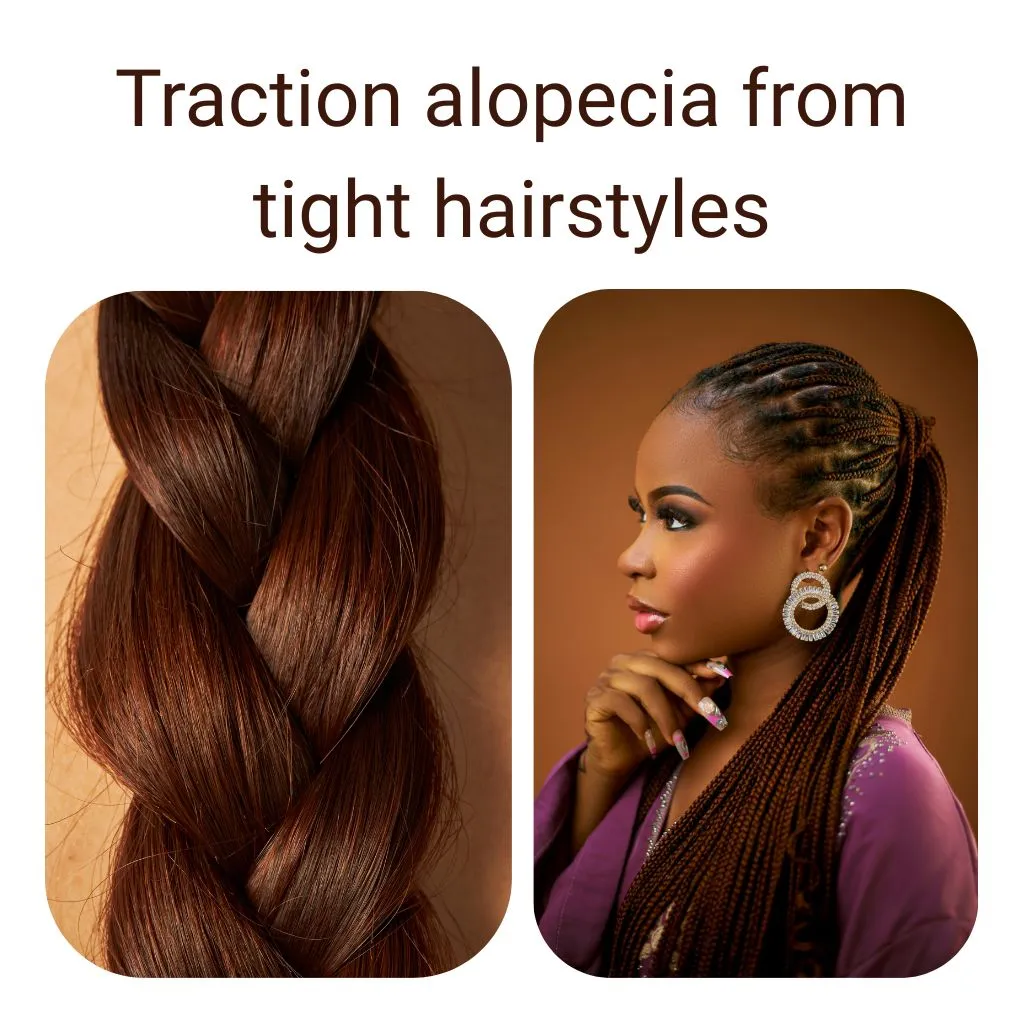
Braiding puts serious traction on the hair roots. Afro braids, in particular, cause a lot of problems in this regard. This can trigger traction alopecia, causing the newly transplanted roots to shift from their place. Tight braids should be avoided until the hair is fully strengthened after the first year.
FAQs
Does transplanted hair fall out?
During hair transplantation, up to 4 to 5% of hair grafts may lose their vitality or become unhealthy. However, more than 95% will be healthy after the transplant. Generally, patients who do not perform post op hair care well are at risk of losing up to half of their transplanted hair. However, very few patients fail at this rate. It is very unlikely that all of the transplanted hair will be lost in less than 2 -3 years. However, this can happen in cases of illness, infection or poor care.
How long does hair transplant last
Hair transplantation is a medical treatment that provides permanent results. However, keep in mind that hair thinning, especially in the non-transplanted hair area, can gradually increase with age and reduce your overall hair volume. In such negative cases, additional sessions may be required years later. Furthermore, if you are genetically susceptible to hair loss and your andro-genetic hair loss condition persists, even transplanted hair may be affected.
Is hair transplantation for life?
It lasts a lifetime if well cared for. Most people’s hair transplantation continues for 20+ years. If post operative hair transplant actions are taken well, it is possible to extend this period further. Please note: as long as you have a healthy donor area, you always have a chance for a second surgery.
How long until hair grows back?
After one year, you will see the full results of your hair transplant, with thicker, denser hair that grows naturally. However, the first signs of regrowth usually appear around two to three months after the surgery, when new hairs start to grow. This timeline may be delayed if you experience shock loss, which is a temporary shedding phase.
To support a faster, healthier recovery, it is crucial to follow a protein-rich diet to fuel the production of keratin, which is the key structural component of hair. Using specialised post-transplant hair care products, such as gentle, sulphate-free shampoos and scalp-soothing serums, can also protect follicles during the sensitive regrowth period. Taking a clinically formulated hair vitamin that is rich in biotin, zinc and B vitamins can also strengthen follicles and promote steady hair regeneration.
Do the hair restoration surgeries work?
After a period of time (usually 8 to 9 months), a successful hair transplant will cause the grafted hair to be indistinguishable from the natural hair. This is not the case with botched transplants, which account for 1 to 2% of the total number of patients.
Citations
- Collins K, Avram MR. Hair Transplantation and Follicular Unit Extraction. Dermatologic Clinics. 2021;39(3):463-478.
- Anastassakis K. The History of Hair Transplantation. Androgenetic Alopecia From A to Z.
- Hair Transplant Recovery Timeline | 0 – 14 Months Photos. Heva Clinic. Published August 11, 2024.
- Europe PMC. Europe PMC. Europepmc.org. Published 2016.
- Kristine Bunagan MJ, Banka N, Shapiro J. Hair Transplantation Update. Dermatologic Clinics.
- Hair transplantation. Wikipedia.
Garg AK, Garg S. Complications of Hair Transplant Procedures—Causes and Management.
Recommended Reading
✦ Scalp Necrosis After Hair Transplant: Causes and Prevention — Understanding the critical vascular risks, signs of tissue death, and how to protect vulnerable grafts during recovery.
✦ What Is the Best Shampoo After Hair Transplant? — Essential criteria for choosing gentle, safe cleansers to protect newly planted follicles.
✦ Best Hair Vitamins After Hair Transplant — Essential nutrients and minerals to accelerate healing and graft survival.
✦ How Much Hair Loss Is Normal — Separating everyday shedding from true hair loss and understanding the normal daily count.
Learn More About Perseus
✦ About Us — Learn more about Perseus Style, our mission, and our dedication to hair restoration and post-op care.
✦ Blog — Explore expert guides, post-operative care tips, and the latest insights on hair transplants.
✦ Shop — Discover our professional range of specialized post-op products, shampoos, and treatments.
✦ Contact Us — Get in touch with our team for questions, support, or professional inquiries.


Receive offers, product alerts, styling inspiration and more. By signing up, you agree to our Privacy Policy.
- info@perseusstyle.com