How does shampoo pH affect your hair?
Written by Perseus Editorial Team
Last Update: August, 2026
The shampoos we throw into our shopping carts without even reading the ingredients are actually much more harmful to our hair health than you might expect. Unbelievable, right? But it’s true. Shampoo ph can be an acid attack on post-op scalps.
While a regular shampoo is designed for “cleaning,” a post-op scalp needs “healing.” So how will we know which shampoo is the post-op shampoo and which is the daily shampoo?
Here’s how:
What are the acid-containing ingredients in standard shampoos?
Shampoos containing lemon salt may cause burning on open wounds.
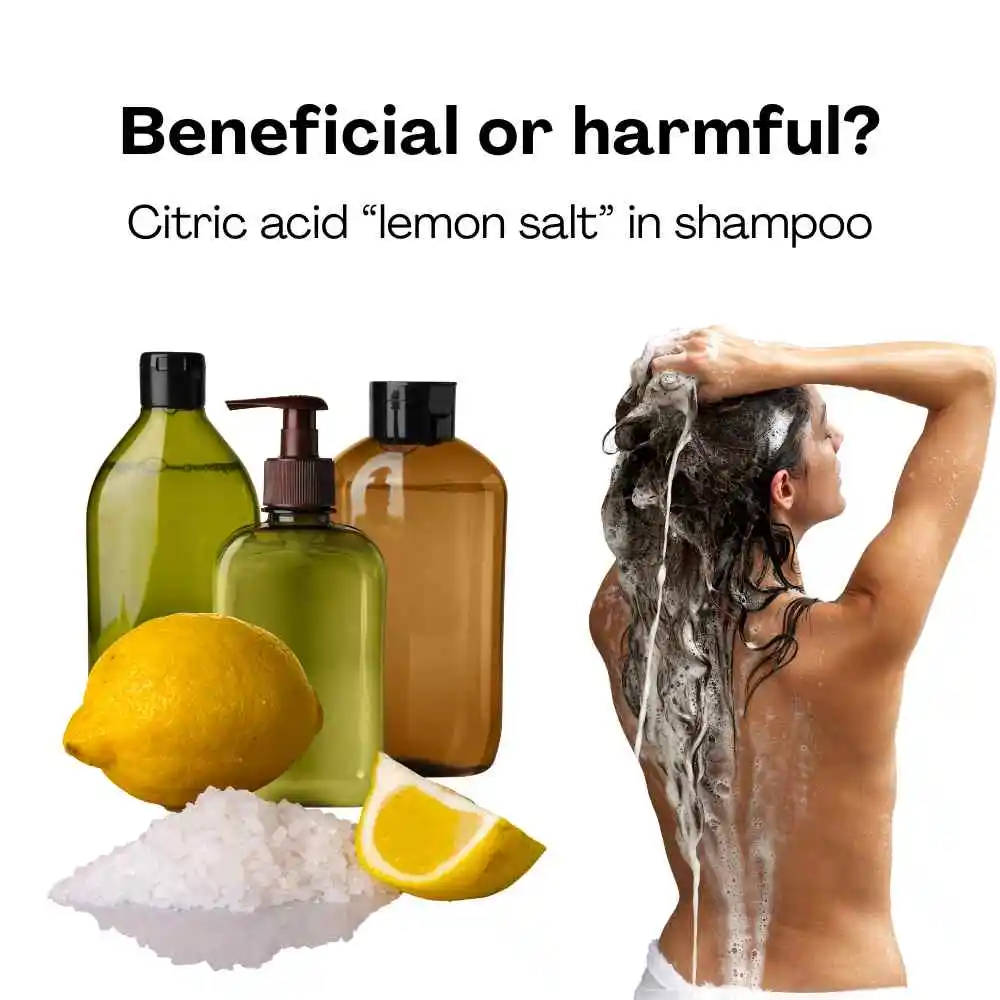
Most shampoos contain citric acid, commonly known as “lemon salt.”
It is used to balance the shampoo’s pH. On an intact scalp, this is harmless; however, on a post-hair transplant scalp covered with numerous micro-wounds, it can cause severe burning and ruin the transplant results.
- Citric acid. Commonly known as “lemon salt,” it’s used to balance shelf life. On an intact scalp, it’s harmless.
- The post-op risk. On a scalp covered with micro-wounds from a transplant, it acts like “pouring acid” on an injury. This can cause severe burning and put your grafts at risk.
- Impairment of healing. Beyond pain, this irritant can trigger an inflammatory response that inhibits the formation of new blood vessels. So, in case of grafts cannot rapidly establish blood flow due to chemical trauma, transplant outcomes may be permanently compromised.
2. Do anti-dandruff shampoos make the skin peel off?
Other acids found in everyday shampoos are glycolic or salicylic acids, which are usually found in high concentrations in anti-dandruff formulas. Their job is to remove dead skin cells from the hair. But when someone with a new hair transplant uses these, they can remove the living tissue, which stops the new hairs from taking root. If the tissue is damaged, the grafts cannot survive and fall out.
- Glycolic & salicylic acids. Their job is to strip dead skin cells.
- The danger. For a new transplant patient, these acids can strip away living tissue. If the tissue is compromised, the new hair grafts cannot take hold and will eventually fall out.
3. Do anti-shedding shampoos pave the way for infection?
Some anti-hair shedding shampoos are loaded with sulfates. Substances like Sodium Lauryl Sulfate (SLS) and Sodium Laureth Sulfate (SLES) destroy the acid mantle, which is the scalp’s natural protective barrier. This leaves the post-op skin completely vulnerable to infections.
4. What is the ideal limit for shampoo expiration dates?
Another danger in ordinary shampoos lies in acidic preservatives and salts. These are added to prolong shelf life.
While a natural, medical shampoo has a shelf life of at most 6-8 months, these heavy chemicals extend it to years at the cost of devastating the skin’s natural flora. Benzoic Acid and Sorbic Acid are frequently seen in daily shampoo ingredients as preservatives; however, they can trigger extreme redness and edema in sensitized post-op tissue.
Salt is also used as a thickening agent. A staple of regular shampoos, salt dries out and dehydrates healing tissue, accelerating hair loss. Not only does it slow down recovery after shock loss, but it can also trigger further shock loss, leading to permanent hair thinning.
You can choose the most suitable products for your hair transplant process by reading our article “What is the best shampoo after hair transplant?”

5. Do synthetic perfumes and alcohols dry out the scalp?
Unfortunately, yes. Ingredients like Isopropanol or Benzyl Alcohol are double-edged swords:
- They are both acidic and highly drying.
- They slow down cellular regeneration, delaying the time it takes for your scalp to heal.
What does regular shampoo do to new hair grafts?
Here is a list of how regular shampoo affects new hair grafts following restoration surgery:
- Causes chemical burns on wounds.
- Triggers and worsens the shock loss process.
- Strips away the living graft tissue, preventing it from taking hold.
- Dehydrates and dries out the healing skin due to high salt.
- Slows down cell regeneration and healing because of alcohol content.
- Destroys the scalp’s natural protective barrier.

Shampoo Ingredient Safety Map
| Ingredient to Avoid | The Danger | Perseus Safe Choice |
|---|---|---|
| Citric Acid | Chemical burns on wounds | Citrate-free formula |
| SLS / SLES | Strips protective barrier | Gentle Glucosides |
| Salicylic Acid | Prevents graft anchoring | Soothing Aloe base |
| Common Salt | Triggers shock loss | Salt-free hydration |
Individual reactions may vary. While not every standard shampoo causes immediate visible damage, the chemical composition of commercial products poses a statistically higher risk for sensitive post-op tissue compared to medical-grade formulas.
A scalp-safe shampoo should have a pH between 4.5 and 5.5. Many paraben-free products fall outside this range.
→ Paraben-Free Shampoo After Hair Transplant: What to Look For
The First 72 Hours: The Graft Anchoring Phase
The success of a hair transplant operation depends on the anchoring process of the grafts to the scalp. The first 72 hours (3 days), which is the most critical stage of this process, is the period when tissue repair begins and the grafts are most vulnerable to outside forces. Below, we have outlined how this process should progress, but for detailed information on the entire post-hair transplant process, you can read our article “Post Hair Transplant Timeline.”
Zero-Impact Cleansing
First 3 days after the procedure, the scalp is an open scar. At this stage, the goal is not to clean the skin, but to keep it sterile without dislodging the grafts.
- Which Products? Only foams containing high-purity panthenol or post-op foam recommended by your clinic should be used.
- How to apply? Products should not be applied directly by hand. Instead, they should be left on the grafts in foam form for 15-20 minutes and then rinsed off with lukewarm water without applying pressure.
When can I switch to regular shampoo?
Many patients think they can switch back to their regular shampoo after the third day; however, this is the most common mistake that sabotages the healing process. You should wait at least 14 days before switching to regular/market shampoos, ideally until the first three months after the flaking period has completely ended.
Pore care and sebum ratio
During the first 3-day, the scalp tends to produce excessive sebum and dead skin. If this layer is not cleaned properly, the pores become clogged and the grafts are deprived of oxygen.
- Perseus Solution: Unlike commercial shampoos, Perseus products maintain the pores open without irritating the skin thanks to their pH 5.5 balance. This prevents damage to the grafts, allowing the hair strands to adhere more strongly to the tissue.
This content is for informational purposes only and does not constitute medical advice. Always follow the specific aftercare instructions provided by your surgeon.
FAQs about Shampoo pH Level
Can I use anti-dandruff shampoos for post-transplant itching?
There is no need for a blunt statement like “cannot be used.” However, standard anti-dandruff shampoos can often be too harsh for the healing phase. If you are experiencing intense itching or flaking, it is better to use a specially formulated medical shampoo to soothe the scalp and soften the flakes without damaging the grafts.
Is "Ketoconazole" (Medicated) shampoo safe for the recipient area?
Ketoconazole is a potent antifungal agent and is commonly used in hair loss treatments. However, it should not be used in the first few weeks immediately following hair transplantation, as it can excessively dry the skin unless specifically prescribed by your doctor. It is generally recommended for use after the first month and under controlled conditions. Factors such as individual healing speed and health status may alter this timeframe; we recommend consulting your clinic’s post-operative team directly.
Can I use shampoos containing "Parabens" or "Silicones" during the first 3 months?
We are not saying to use shampoos that are directly labeled “paraben-free” or “sulfate-free.” However, studies show that parabens may clog pores and cause allergic reactions on sensitive skin. Silicones, on the other hand, may coat the hair shaft to add shine, but they can also make it difficult for the scalp to breathe. Since newly transplanted roots need oxygen and clean pores, these risks are present for the first 3-6 months. The choice is entirely yours!
Can salt-based thickeners in cheap shampoos damage my transplant?
Many standard shampoos use “Sodium Chloride” (salt) to increase viscosity. Salt dries out the sensitive skin after transplantation and robs the grafts of the moisture they need. However, salt also extends the shelf life of shampoos and gives them the ideal consistency. Therefore, rather than going straight for a “salt-free shampoo,” you need to look at the salt content in the shampoo.
For professional medical shampoos used after hair transplantation, it is recommended that this ratio be below 0.5% or that the formulation achieve its consistency with natural gums (such as xanthan gum) or cellulose derivatives instead of salt.
References
Trüeb, R. M. (2007). Shampoos: Ingredients, efficacy and adverse effects. JDDG: Journal der Deutschen Dermatologischen Gesellschaft.
D’Souza, P., & Rathi, S. K. (2015). Shampoo and Conditioners: What a Dermatologist Should Know? Indian Journal of Dermatology.
Prohaska, J., & Seghetti, M. (2022). Wound Healing and the Role of pH in Skin Barrier Function. StatPearls Publishing.
International Society of Hair Restoration Surgery (ISHRS). Official Post-Operative Care Guidelines for Follicular Unit Extraction.
Kaufman, A. J. (2021). The impact of Alcohol and Preservatives in Topical Hair Formulas. Journal of Clinical and Aesthetic Dermatology.
Gavazzoni Dias, M. F., de Almeida, A. M., Cecato, P. M., Adriano, A. R., & Pichler, J. (2014). The Shampoo pH can Affect the Hair: Myth or Reality? International Journal of Trichology.
Tarun, J., Susan, J., Suria, J., Susan, V. J., & Criton, S. (2014). Evaluation of pH of Bathing Soaps and Shampoos for Skin and Hair Care. Indian Journal of Dermatology.
- Williams DF, Schmitt WH, editors. Chemistry and Technology of the Cosmetics and Toiletries Industry. 2nd ed. London: Blackie Academic & Professional; 1996.
Recommended Reading
✦ Deep Conditioning: Hair Botox: Prices & Recovery — A breakdown of pricing variables for deep-conditioning hair botox treatments, expected longevity, and post-treatment maintenance tips.
✦ Post-Viral Shedding: Hair Loss After COVID-19 — Understanding post-viral telogen effluvium: why systematic stress triggers severe shedding months later and how to stabilize it.
✦ Major Restoration: 4000 Grafts Hair Transplant in Turkey — What to expect when undergoing a major 4000-graft restoration procedure, including donor area requirements and coverage expectations.


Receive offers, product alerts, styling inspiration and more. By signing up, you agree to our Privacy Policy.
- info@perseusstyle.com