7-Day Hair Growth Meal Plan: Best Foods + Free PDF
Written by Perseus Editorial Team
Last Update: September, 2026
Let’s learn evidence-based info for hair regrowth:
- Which foods supply the key nutrients (protein, iron, vitamin D, zinc, biotin, ginseng, omega-3s, B vitamins, vitamin C)?
- The best vitamins and foods for healthy hair growth.
- What the research says in 2026-2027?
- Practical dietary advice for hair regrowth.
- Post-FUE hair transplant surgery nutrition schedule.
- Supplements to consider if your doctor’s approval.
- Safety cautions – potential risks and side effects.
Learning what to eat, what not to eat, what to drink, and what not to drink for healthy and thick hair can help you achieve much stronger hair in the long run (within 1-3 years).
Although people living with hair loss often turn to treatments such as hair transplants, there may be a link between healthy eating and hair loss for those who do not opt for surgery and are genetically predisposed to alopecia. Of course, we know that diet is not the only cause. However, it is one of the most powerful factors.
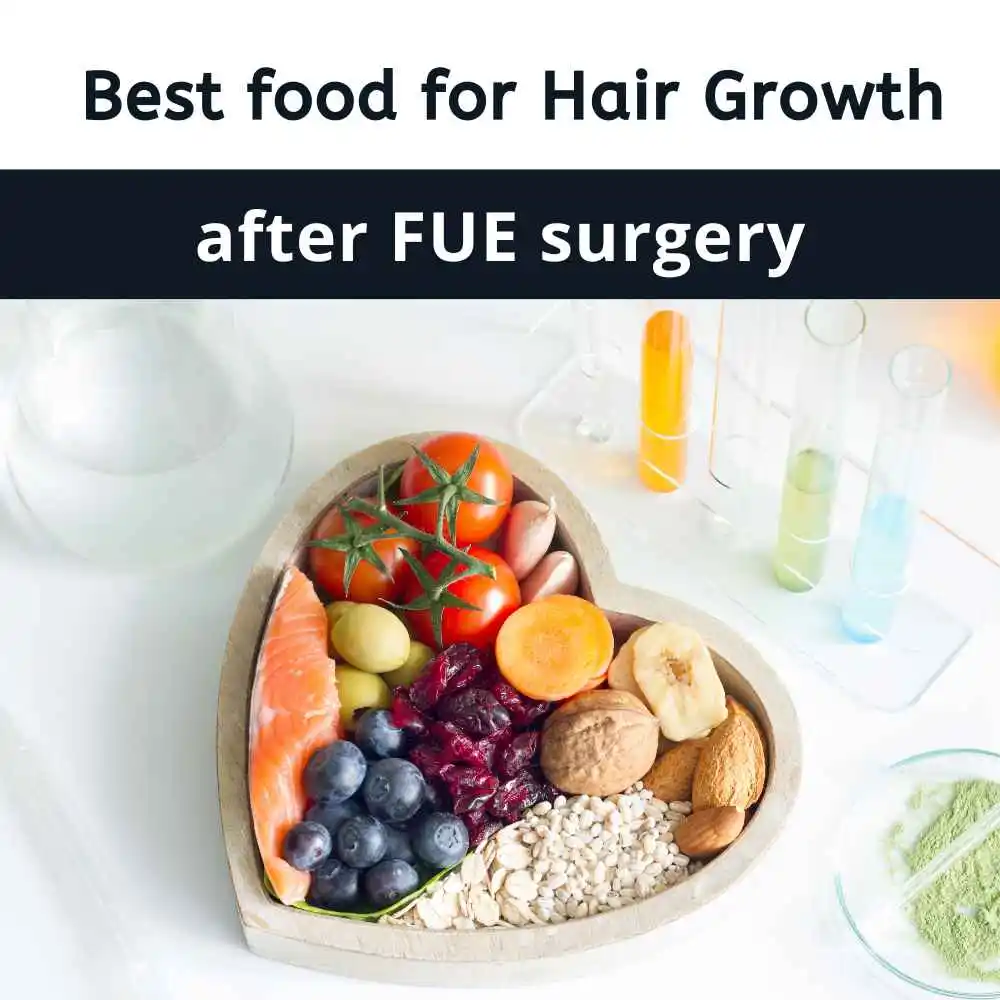
Why Do Foods for Hair Growth Matter ?
Hair follicles are metabolically active tissues that’s why meal plan after transplant is very effective. In fact, the hair shaft is composed almost entirely of protein (keratin). Therefore, adequate intake of macro and micronutrients is crucial to maintain the normal hair cycle (anagen → catagen → telogen) and prevent excessive loss or slower regrowth. If there is a nutritional component to hair loss, remedying deficiencies can improve hair density as well as quality.
Among the nutrition for good hair growth, there are fruits and vegetables rich in vitamin C, keratin-rich protein sources, foods containing vitamin A and whole grains containing iron, zinc, vitamin B.
The role that food plays in the growth of hair is undeniable and backed up by science. As well as maintaining good general health while combating hair loss, you should also consider adding specific food groups to your diet and prepare special meal plan after hair transplant. There are loads of health benefits to developing good habits and eating organic, whole foods, like better skin, nails and gut microbiota. If you want to accelerate your recovery you need to make sure to target certain food groups that are rich in;
- Vitamins D,
- Zinc,
- Iron,
- Biotin (Vitamin B7).
In this article we will go into a well balanced diet for hair growth. By exploring a variety of nutrient-rich food groups, we’ll reveal which ones can nourish your hair from within helping you to achieve stronger, healthier growth naturally.
The journey to healthy hair growth starts with nutritious vitamins, fats, protein-heavy diet and fruits!
Evidence-based recommendations about meal plan
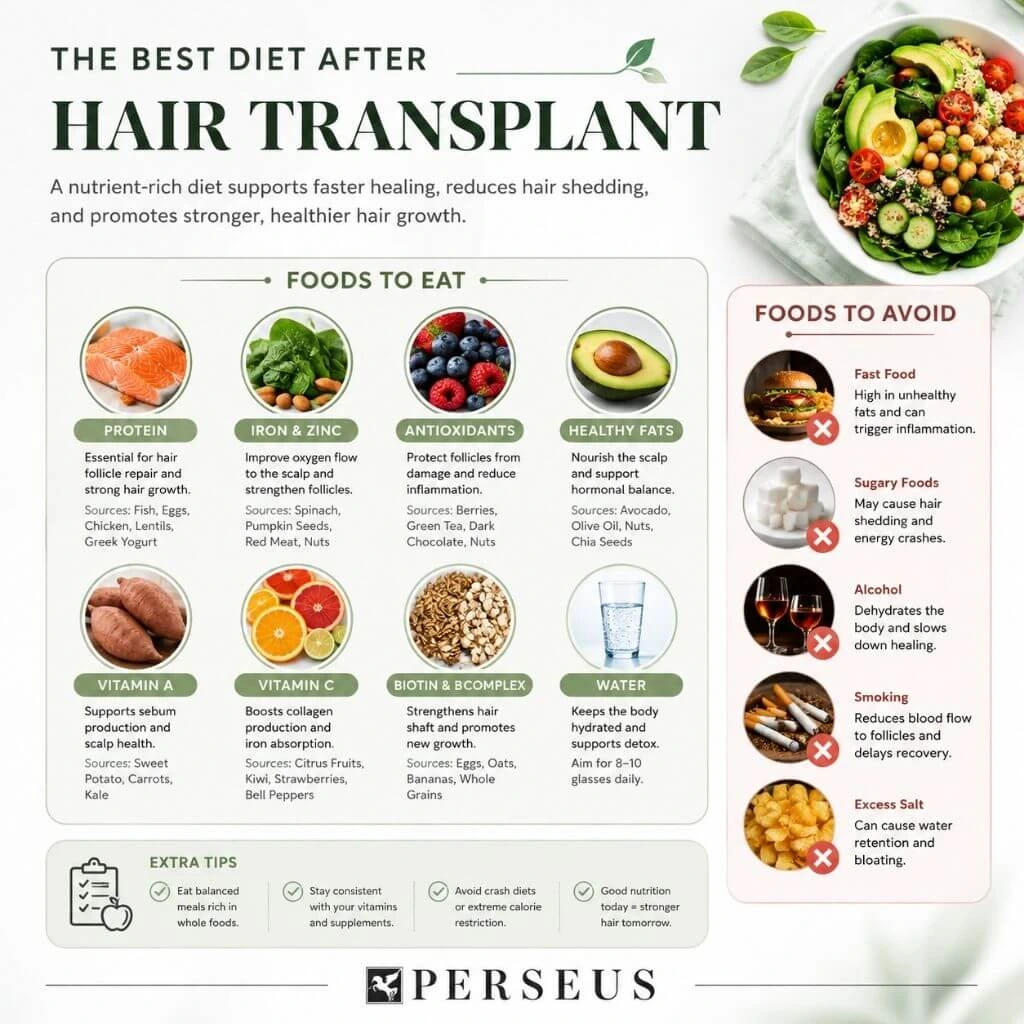
The best foods for hair growth are rich in vitamins, minerals, lean protein and healthy fats, especially from fresh fruits and vegetables. Here are the factors you should consider when planning your meal plan after hair transplant:
- Oxygen: Pay attention to consuming foods rich in vitamins, minerals, lean protein and healthy fats which can be sourced from fresh fruits and vegetables. Consuming these will not only improve your general health, but will also help to supply fresh oxygen to your hair follicles.
2. Hydration: It is vital to recognise the pivotal role of hydration in maintaining optimal health, including the strength and vitality of hair. It is an established fact that every cell in the human body, including hair follicles, relies on adequate water intake to support essential functions such as repair, regeneration and nutrient absorption (Jones et al., 2022). Without proper hydration, the scalp can become dry, hair strands may weaken and growth may slow down (Smith et al., 2019).
3. Stay away from caffeine: It will also help keep your body in peak moisture condition in the scalp area. This includes regulating the intake of caffeine-rich drinks like coffee or green tea.
4. No need for processed foods: In order to maintain hydration levels, it is also advised to stay away from processed foods. Morevoer, be careful of your sugar consumption levels. This will secure the body’s ability to restore and recover.
- Don’t assume mega-dosing is harmless. Vitamins A, E, selenium, and even biotin in very large doses can cause harm or misleading lab results. Test before you supplement heavily.
- Combine plant iron with vitamin C. Spinach + citrus dressing or lentils + bell pepper improves non-heme iron absorption.
- Eat a protein-focused breakfast. Eggs, Greek yogurt with seeds, or a bean-based shakshuka provide steady amino acids for follicle repair. (Protein is frequently the limiting macronutrient for hair synthesis.)
Pay Attention to Your Nutritional Needs for Good Hair Growt
Be sure to include the following food groups in your meal plan for better hair growth.
🌿 Fruits & Vegetables for Hair Growth
- Blueberries 🫐 (high in antioxidants for scalp health)
- Spinach 🥬 (rich in iron and vitamin A)
- Carrots 🥕 (boosts keratin production)
🌾 Whole Grains & Seeds for Stronger Transplanted Hair
- Quinoa (a type of seed) 🍚 is full of essential amino acids.
- Chia Seeds 🌱 (loaded with omega-3s)
- Flaxseeds 🥜 (supports scalp hydration)
🥛 Dairy Products Rich in Calcium for Better Healing
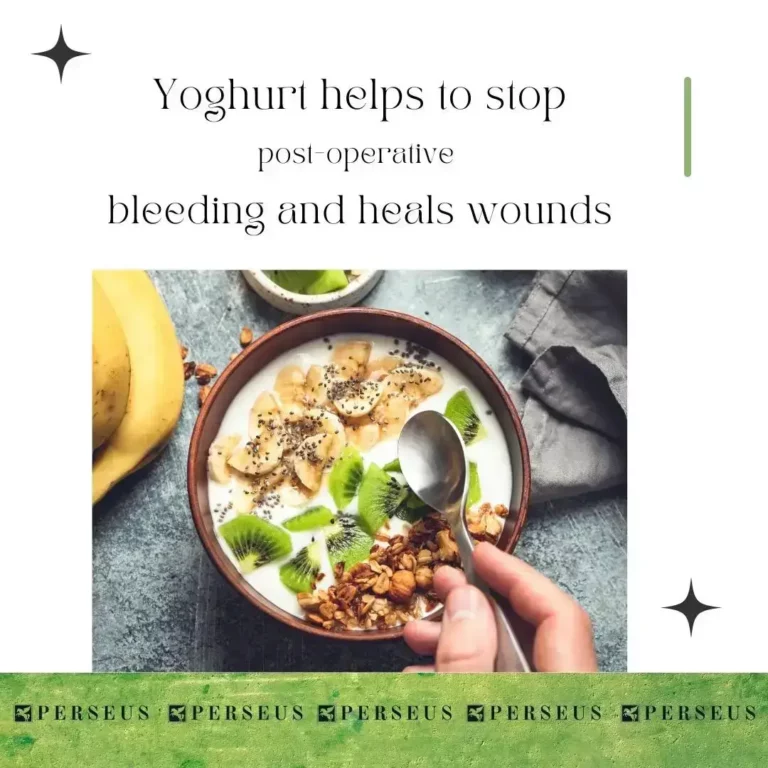
- Yogurt 🍦(contains protein and probiotics)
- Cottage Cheese 🧀 (supports hair follicle strength)
- Milk 🥛 (boosts keratin production)
💪 Protein & Keratin-Rich Foods for Stronger Follicles
- Salmon 🐟 (rich in omega-3 fatty acids, you can see Salmon-DNA among the ingredients of Perseus serum.)
- Lentils 🥣 (packed with plant-based protein. However, if you have an IBS, instead of it, you can prefer rice, oats, polenta, millet, quinoa and tapioca.)
- Eggs 🍳 (a natural source of biotin. For those who can't consume eggs, you need to use a biotin & collagen shampoo like Perseus Post-op Shampoo.)
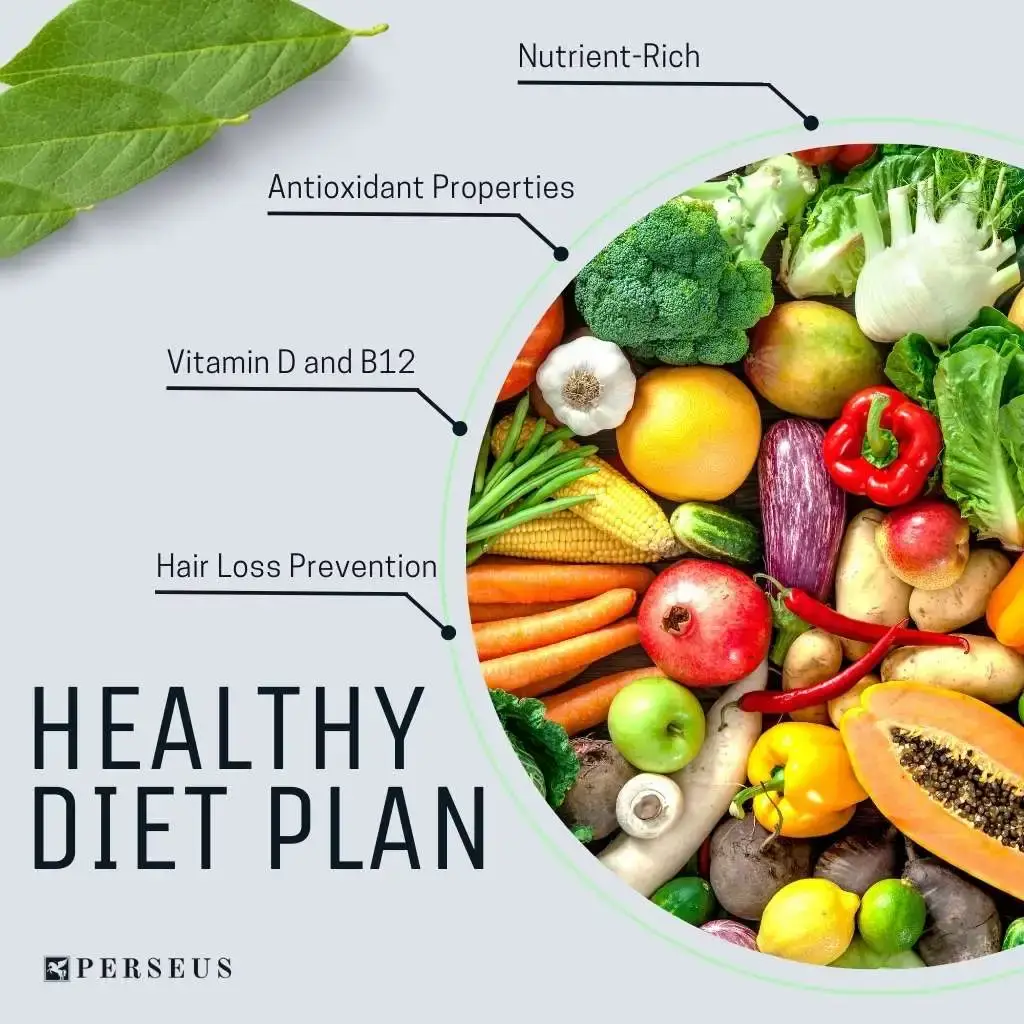
Useful fruits for hair growth and health
Fruits are an essential part of the meal plan for hair health. They are rich in vitamins, minerals and antioxidants all 3 of which are crucial nutrients for growth of hairfollicles. To nourish follicles with them that are fresh and vitamin-dense, eating fruits will be beneficial.
Fruits are excellent and fresh sources of vitamin C. It is used in the absorption of other vitamins like iron, but also promotes collagen production.
NOTE: Collagen production is known to improve individual strands.
Citrus fruits like oranges, lemons or grapefruits are a strong source of vitamin C. In addition to them, you can consume kiwis and strawberries, too.
Other berries like blackberries or raspberries are rich with antioxidants. They allow the scalp to combat oxygen-deficiency. One additional benefit of fresh fruit consumption is the fact that most fruits consist of water. So, eating fruit regularly helps you stay hydrated, and it’s a great way to get water that’s full of vitamins.
Vegetables that boost hair growth
Vegetables are among the most powerful foods that promote hair growth naturally, they create the optimal environment for follicle health and rejuvenation.
In order to create the optimal scalp and hair follicles health, vegetables offer a variety of benefits. For example, they help with the creation of an optimal environment for hair growth and rejuvenation. Leafy green vegetables like spinach and kale are known sources of Iron and Vitamin C. So, regular consumption of these vegetables promote overall scalp health and aid in the production of collagen in the body. Similarly broccoli can also promote virality and shine as it is rich in vitamins C and A. The creation of adequate sebum is important to enrich hair with natural oil and hydration. Vegetables with beta-carotene aid in the natural creation of sebum in the scalp. Particularly incorporating sweet-potatoes, leafy greens and squash will promote natural and healthy oil production.
Keratin-rich diet for stronger follicles
It is essentially a protein that helps with structural integrity of hair strands and is considered essential after a hair transplant as hair strands need strengthening as they are recovering from the operation. Keeping keratin-rich foods in your diet will promote stronger grafted follicles and enhance the recovery benefits. Foods that are rich in vitamins A, D, protein and biotin are all foods that are keratin-rich. Consuming eggs and fresh fish regularly will make your diet rich in protein and healthy fats particularly omega-3 which will help keep your hair strong and resilient. If you are looking for plant-based alternatives for foods that are rich in omega-3 fatty acid you can depend on nuts and seeds as well as legumes like chickpeas, lentils and beans.
Whole grains and seeds to speed healing
Seeds and whole grains are a powerhouse packed with fiber and multi nutrients that strengthen hair follicles and enhance hair growth. Protein rich plant based grains are jam packed with vitamins that are crucial for tissue repair and healing like iron, zinc and vitamin B. Consuming quinoa, oats and brown rice are great sources of protein rich plant based grains. In order to reduce inflammation and possibly improve overall scalp health consuming foods that are rich in fatty omega 3 acids is the way to go. Nuts and seeds, particularly chia seeds, flaxseeds, pumpkin and sunflower seeds are delicious sources of plant based omega-3 acid and protein. Whole grains will not only speed healing but will also provide the essential nutrients for healthy hair growth.
Dairy for better hair health
Many people think dairy causes inflammation for the skin but it is a great source of protein and calcium when it comes to hair growth. Dairy products contain calcium which is a strengthening bond for not only bones but also hair. It also enhances the quality of hair by thickening and strengthening the hair. There are multiple sources of dairy for better hair health and they all include varying amounts of protein. Regular and programmed consumption of yogurt, milk and cheese will ensure not only hair health but also gut and bone health.
Can I have milk after a hair transplant?
Milk is a great source of calcium and is a delicious treat. It couples well with a lot of different ingredients and makes up a great portion of various drinks. It is also nutrient packed with vitamin B12, protein and calcium which all promote hair growth. Additionally, it is very hydrating. Unless you are lactose-intolerant or have any sensitivities regarding dairy products milk is a great treat to have after a hair transplant.
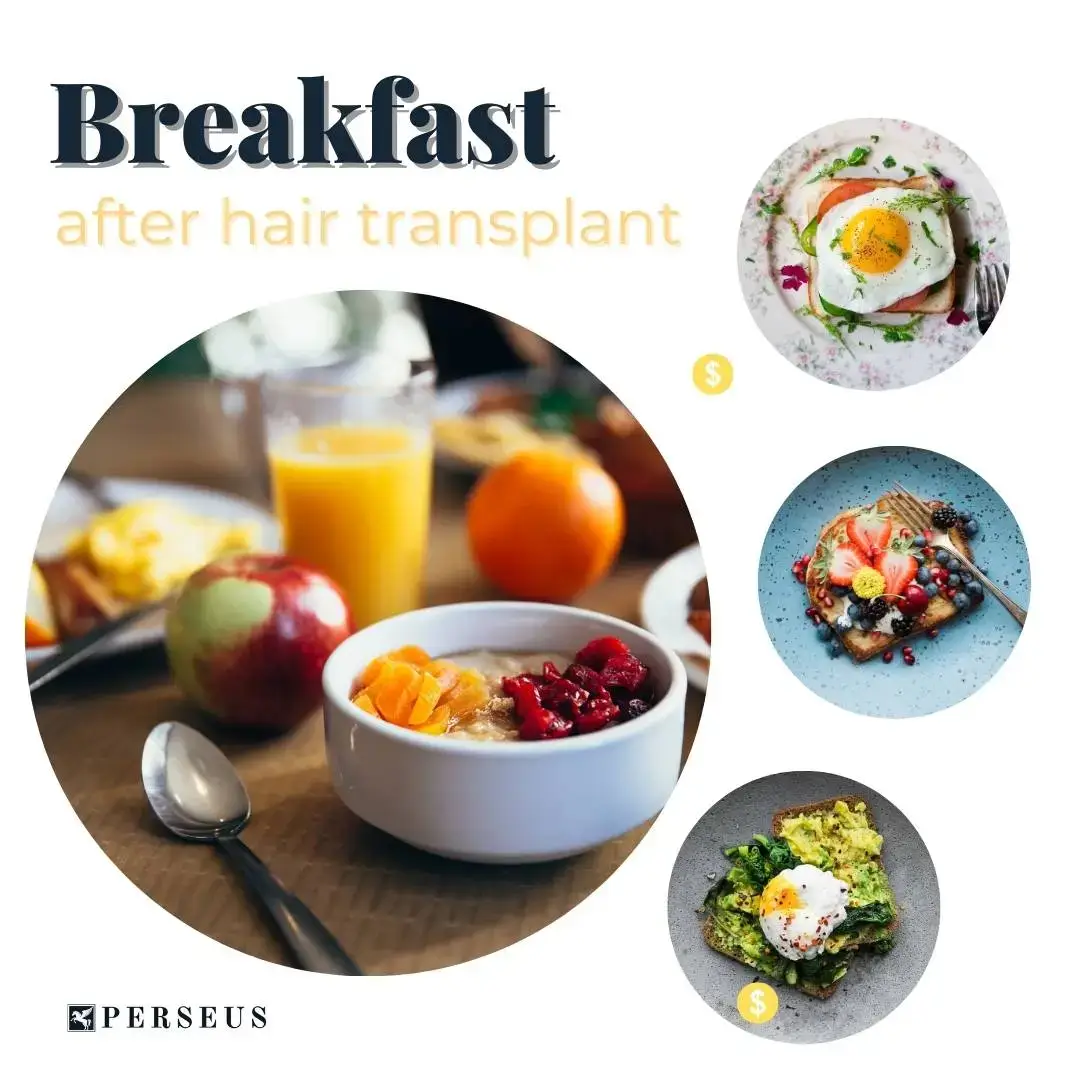
Meal plan to accelerate hair growth after hair transplantation
To accelerate hair growth, ensure you are getting all the necessary nutrients, which will strengthen weak hair while maintaining hair health. Knowing which foods help hair growth and what to eat for hair growth daily makes a real difference in recovery speed. We have prepared an excellent daily meal plan focused on how your diet should be for hair growth. If you need help, you can consult a nutritionist or dietitian.
Breakfast after FUE
- 1-2 pieces of toasted bread (preferably whole grain)
- 2 eggs (prepared whichever way you like)
- 1 small cup of mixed berries
2. Snack consumption following surgery
- 1 cup of unsweetened yogurt
- 2 tablespoons of chia seeds (you can prepare this overnight for a pudding like consistency)
- a handful of frozen berries
- nuts and seeds of your choice
3. Healthy lunch after FUE
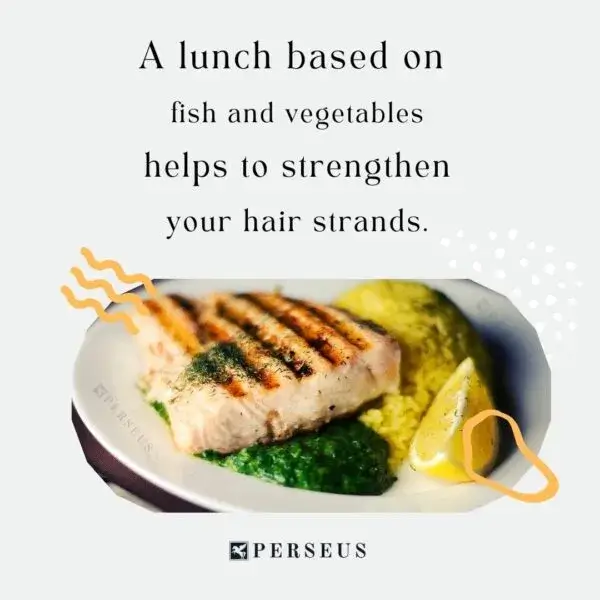
- Grilled salmon of 1 small can of tuna
- Quinoa Salad (lettuce, diced tomatoes, olives, quinoa, chickpeas with a simple vinaigrette)
4. Dinner for FUE recovery
- Oven baked sweet potatoes
- Grilled tofu bites
- Roasted vegetables ( we suggest broccoli and bell peppers for this particular combination)
5. Hydration Goals:
Make sure to drink more than 8 cups of water every day. If you are going to consume caffeine-rich drinks make sure to increase water intake as caffeine may lead to retention of water and thus dehydration particularly for patients in recovery from a FUE hair transplant.
Vegan food for follicle growth
Just like all carnivores, herbivores should be mindful of regularly consuming nutrient dense foods to support their hair recovery and growth. One thing they should be mindful of is consuming a satisfactory amount of plant-protein. For example in the diet we have provided above vegans can easily substitute animal products with their favorite vegan options. Instead of eggs they can opt for avocados which are also rich in healthy fats and omega-3 acid.
As a snack they can eat coconut-yogurt and make a chia pudding for a protein rich option. The grilled salmon can easily be replaced with falafel for that delicious and fulfilling protein option.
Vegans should follow a diet that is rich in nutrients like vitamins, minerals and antioxidants but also make sure to consume enough plant-based protein to sustain themselves after a FUE hair transplantation.
Diet Chart for Hair Growth: 7-Day Hair-Supporting Plan
Day 1
- Breakfast: Omelette with spinach + whole-grain toast.
- Lunch: Grilled salmon salad with mixed greens, orange segments, pumpkin seeds.
- Dinner: Lentil stew with carrots and quinoa.
- Snack: Greek yogurt with walnuts and berries.
Day 2
- Breakfast: Greek yogurt, chia, and sliced kiwi.
- Lunch: Turkey and avocado wrap; side of raw bell peppers.
- Dinner: Beef stir-fry with broccoli, bell peppers, and brown rice.
- Snack: A small handful of Brazil nuts (1–2) and an apple.
Day 3
- Breakfast: Smoothie: spinach, banana, protein powder (or silken tofu), and flaxseed.
- Lunch: Chickpea and roasted sweet potato bowl with lemon-tahini (vitamin C).
- Dinner: Mackerel with steamed greens and roasted potatoes.
- Snack: Carrot sticks + hummus.
Day 4
- Breakfast: Scrambled eggs with avocado and whole-grain toast.
- Lunch: Grilled chicken and quinoa bowl with spinach, tomatoes, cucumber, and lemon dressing.
- Dinner: Baked cod with roasted sweet potatoes and steamed broccoli.
- Snack: Greek yogurt with blueberries and pumpkin seeds.
Day 5
- Breakfast: Oatmeal topped with banana, walnuts, chia seeds, and a spoonful of Greek yogurt.
- Lunch: Lentil and spinach salad with red peppers, parsley, and lemon dressing.
- Dinner: Grilled turkey breast with brown rice and roasted vegetables.
- Snack: Kiwi with a small handful of almonds.
Day 6
- Breakfast: Whole-grain toast with avocado, poached eggs, and sliced tomatoes.
- Lunch: Tuna and chickpea salad with mixed greens, cucumber, red peppers, and olive oil.
- Dinner: Grilled chicken with quinoa, steamed kale, and roasted carrots.
- Snack: Apple slices with natural peanut butter.
Day 7
- Breakfast: Greek yogurt bowl with strawberries, oats, flaxseed, and walnuts.
- Lunch: Grilled salmon with avocado, mixed greens, tomatoes, and lemon dressing.
- Dinner: Chickpea and vegetable curry with spinach served with brown rice.
- Snack: Orange slices with a small handful of pumpkin seeds.
Would you like a free 7-day meal plan? Download our meal plan, also suitable for hair transplant patients, for free!
Free download: 7-Day Hair Growth Meal Plan →
Foods to Avoid After FUE Hair Restoration
Nutrition affects our overall health more than we think. Regular consumption of certain goods deteriorates one’s health both physically and mentally. Thus staying away from certain food will definitely help as you are recovering from an operation, including but not limited to FUE Hair Restoration.
- Regular or over consumption of fast food, sugar, alcohol and smoking is not only bad for your hair health but will also risk your overall health.
Consumption of all these foods in excess risks the integrity of your hair growth cycle and thus disrupts regular hair growth. For a patient recovering from a hair transplant breaking this cycle is one of the worst things they can do to their own hair and hinder their recovery.
Even if you eat all the food good for hair growth, some patients still need extra support. That’s where supplements come in.
What should I look for in supplements?
Let’s say you’ve consumed the best foods for hair growth and followed the best meal plan after transplant. But your hair still isn’t as thick as you’d like. You still have breakage, shedding continues, and your hair is thinning from root to tip. Yes, it may be time for supplements. But here’s what you need to keep in mind when taking supplements: Test first. Talk with your specialist and get blood tests (CBC, ferritin, 25-OH vitamin D, TSH if clinically indicated). Don’t use iron without informing your doctor. Oral iron can cause GI side effects and should be monitored. Check levels 8 to 12 weeks after taking vitamin D. Find out if you still need it. Do not routinely take high doses of biotin supplements. Choose balanced supplements in appropriate doses. It is important to follow your doctor’s advice. Use a multivitamin rather than taking a single nutrient in high doses. You can consider supplements that contain many different vitamins, such as biotin, ginseng, zinc, vitamin C, and vitamin B. Be sure to choose one that is specifically suitable for hair health.

Do you have questions about nutrition and product use after hair transplantation? Check out the Perseus blog. You can find a wide range of information about the best vitamins, best shampoos, healthiest products, and the healthiest hair care products and brands most frequently used by the wealthy after hair transplantation.
FAQs about Hair Growth Meal Plan
Why are antioxidants essential in nutrition for hair follicle growth?
Antioxidants are the best way to reduce oxidative stress and thus protect hair follicles by preventing inflammation. During the healing process they help support the hair and they also support the hair growth cycle.
What is the daily hydration level after a FUE hair transplant?
In order to make sure they are fully hydrated the patient recovering from a FUE hair transplant should make sure to drink around 2-2.5 liters of water daily which roughly translates to 8 to 10 cups of water.
How should meal intervals and portion size be managed?
The general consensus around eating 3 main meals and 2 snacks a day can be applied to a patient recovering from FUE hair transplant. In order to ensure that the nutrition intake is controlled a balanced eating schedule is optimal. Avoid overloading your meal schedule and make sure not to eat too much or too little.
When can I add spicy food to my meal plan after transplant?
Even though spicy foods are delicious they may not be tolerable after a hair transplant. This is because the body is in recovery and spicy foods may cause irritation or swelling. The potential discomfort the consumption of spicy foods can trigger can be an inconvenience for recovering patients.
Can I add chocolate to my meal plan after transplant?
Yes, you can continue to eat chocolate However, make sure to avoid excessive consumption. You need to lay off excessive sugar for a while so making moderate and smart choices can be wise. You may also opt for dark chocolate that is rich with antioxidants to reach your nutrition goals.
References
- Milani M, Colombo F; et al. Efficacy and tolerability of an oral supplement containing amino acids, iron, selenium, and marine hydrolyzed collagen in subjects with hair loss (AGA/FAGA or telogen effluvium). Skin Res Technol. Read article about hair loss and hydrolysed fish‐origin collagen
- García‑Navarro A, Vasallo‑Morillas MI, Navarro‑Belmonte R, et al. Randomized Clinical Trial to Evaluate the Effect of Probiotic Intake on Androgenic Alopecia. Nutrients.
- Piquero‑Casals J, Saceda‑Corralo D, Aladren S, et al. Oral supplementation with l‑Cystine, Serenoa repens, Cucurbita pepo, and Pygeum africanum in chronic telogen effluvium and androgenetic alopecia: a double‑blind, placebo-controlled, randomized clinical study. Skin Appendage Disord.
- Umar S. A randomized controlled trial on hair follicular‑derived microtissue for promoting wound healing and alleviating postoperative complications after hair transplantation. Aesthetic Surg J.
- Pham C, Sandoval K, Almohanna HM, et al. The Role of Diet as an Adjuvant Treatment in Scarring and Nonscarring Alopecia. Dermatol Pract Concept.
- Trüeb RM. Value of Nutritional Treatment for Hair Loss.
- Patel DP et al. A Review of the Use of Biotin for Hair Loss. PMC, 2017.
- ISHRS Patient Guide — Best Vitamins and Minerals for Hair Growth.
- Treister-Goltzman Y. Iron Deficiency and Nonscarring Alopecia in Women. PMC, 2021.
- Guo EL, Katta R. Diet and hair loss: effects of nutrient deficiency and supplement use. PMC, 2017.
Recommended Reading
✦ Essential Supplements: Best Hair Vitamins After Hair Transplant — The definitive guide to essential vitamins and supplements that accelerate healing and strengthen newly implanted follicles.
✦ Follicle Nourishment: Hair Growth Serum After Hair Transplant — The biological role of peptides and growth serums in graft survival and density.
✦ Visual Timeline: Hair Transplant Timeline: Real Before & After Photos — Month-by-month recovery milestones and realistic graft growth stages.
✦ Loss Prevention: 8 Current Treatments to Stop Balding — Clinically backed medical and non-surgical solutions to prevent progressive hair loss.
✦ Nutrient Support: B-complex vitamins for hair growth — Understanding how B-complex vitamins support cellular metabolism and encourage healthy follicle development.
✦ Vital Nutrients: Vitamin D and hair growth following hair restoration — Exploring the critical role vitamin D plays in awakening dormant hair follicles and boosting overall regrowth.

Receive offers, product alerts, styling inspiration and more. By signing up, you agree to our Privacy Policy.
- info@perseusstyle.com