Why to Use Hair Growth Serum After Hair Transplant?
Written by Perseus Editorial Team
Last Update: August, 2026
Do you have any idea why to use hair growth serum after hair transplant? To boost the results of hair transplant surgery, hair growth serums are really beneficial. While surgical precision determines graft placement, post-operative serum support plays a vital role in cellular nourishment and graft retention during the critical recovery phase.
Experts develop post-transplant hair care products to meet the needs of your scalp and hair follicles after the procedure. In particular, post-transplant hair growth serums will help you through this challenging process.
Some procedures like FUE and DHI hair transplants are minimally invasive but do leave small scars in the recipient area. Hair growth serums allow you to do many things. From nourishing the scalp skin to stimulating follicle growth… But how to choose? Which one is better? Let’s learn how to boost your transplantation results!
Why do people use hair growth serum after hair transplant?
People are starting to look at how to care for their hair after hair transplant surgery. Hair serums are the best way to care for your hair after surgery. Hair growth serums are harmless and have no risks to your newly transplanted hair after the procedure. However, their benefits are not limited by the above.
- Hair serum for hair growth strengthens transplanted hair and skin layers on the scalp.
- It reduces hair thinning for both existing hair and new ones.
- It allows you to have thicker hair.
- It enhances scalp health with the ingredients like vitamins, minerals, and oils.
- It restores natural oil of your hair with ingredients like castor, argan, and other essential oils including rosemary, peppermint, and lavender.
- It prevents hair damage by moisturizing and nourishing the hair and scalp.
Except for them, serum to use after hair transplant can combine with other products like post-transplant shampoos, foams, and oils. So, the combinations can provide comprehensive hair care. For instance, if you are looking for a serum to improve the moisture balance of your hair, give Perseus Ozonized Hair Oil & Oil Serum Complex a chance. It nourishes hair follicles for healthy growth and is enriched with Coenzyme Q10 and Vitamin C.
Serum, Oil or Shampoo: Which One Do You Actually Need?
Each product is designed for a different stage of the healing process. The primary purpose of the shampoo during the aftercare process following a hair transplant is to cleanse the scalp and remove buildup without damaging the grafts. The hair oil locks in moisture in the scalp and supports circulation around the hair follicles. The serum, on the other hand, penetrates deeper to deliver active compounds such as peptides and vitamins directly to the roots, making it the most targeted treatment among the three products.
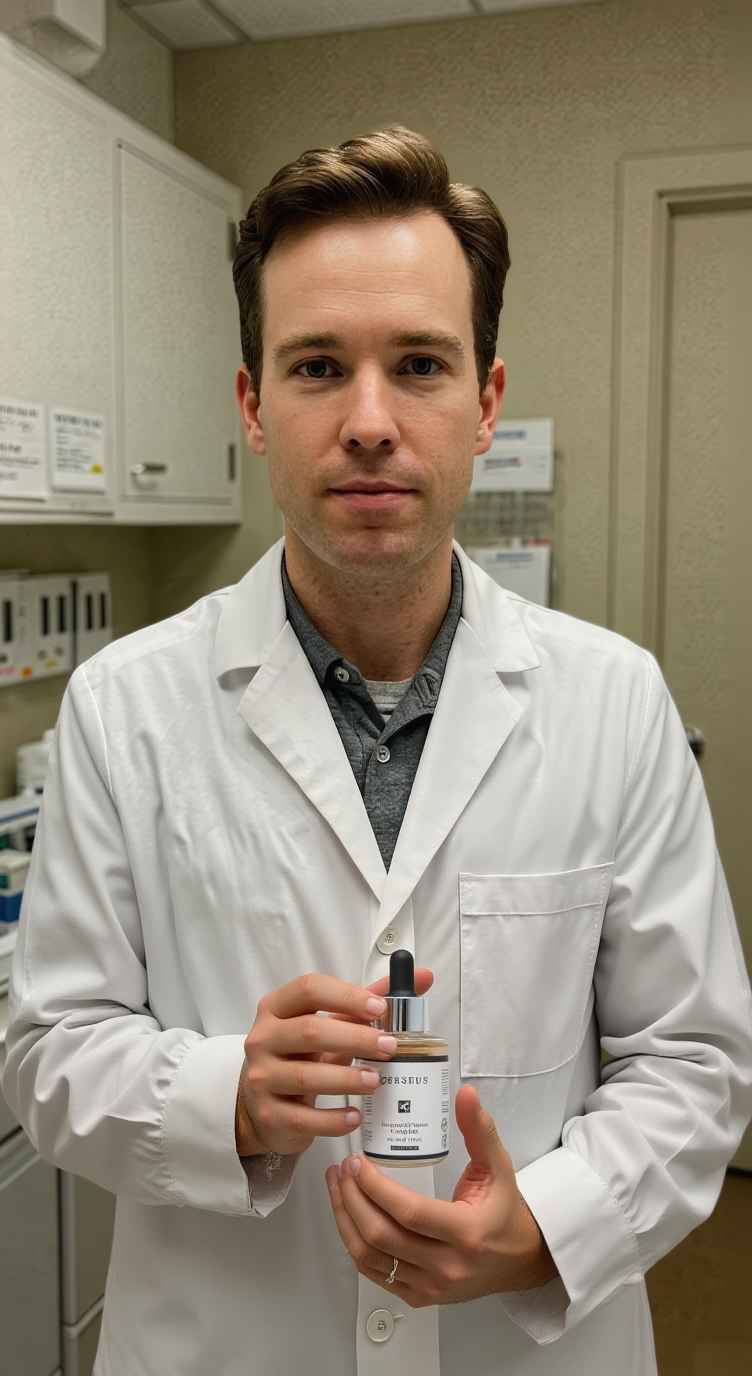
When to use hair growth serum after hair transplant?
After care after hair transplant surgery is a crucial process. In this process, products such as post hair transplant serum, special shampoo, post-op foam can be life-saving for your hair. Here is the post hair transplantation timeline:
- Immediately after your hair transplant surgery
Professionals will carry out your first hair wash in the clinic. Then, you need to wait 48 hours before washing your hair with a post-transplant shampoo.
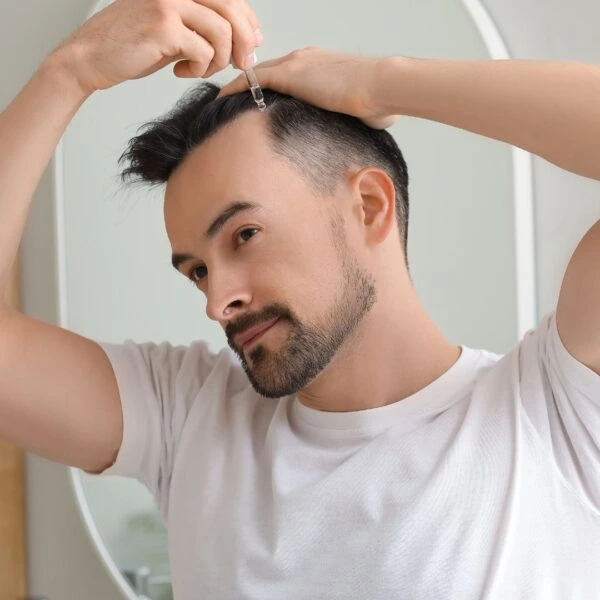
You can use half a tube of post-transplant serum on the date recommended by your doctor and your post-op team. After that, you can use the rest after 2 weeks and continue to use it every 15 days.
- Since the recovery period varies for each patient, we recommend that you wait until your doctor tells you it’s okay to start.
Use the rest of the tube 15 days after first use. Apply serum using gentle fingertip tapping (without scratching or applying mechanical tools). Your follicles will be stronger, pimples under the skin will be reduced and small wounds will have scabs. During this time, donor healing is largely complete.
The Role of Peptide-Based Serums in Post-Transplant Hair Stimulation
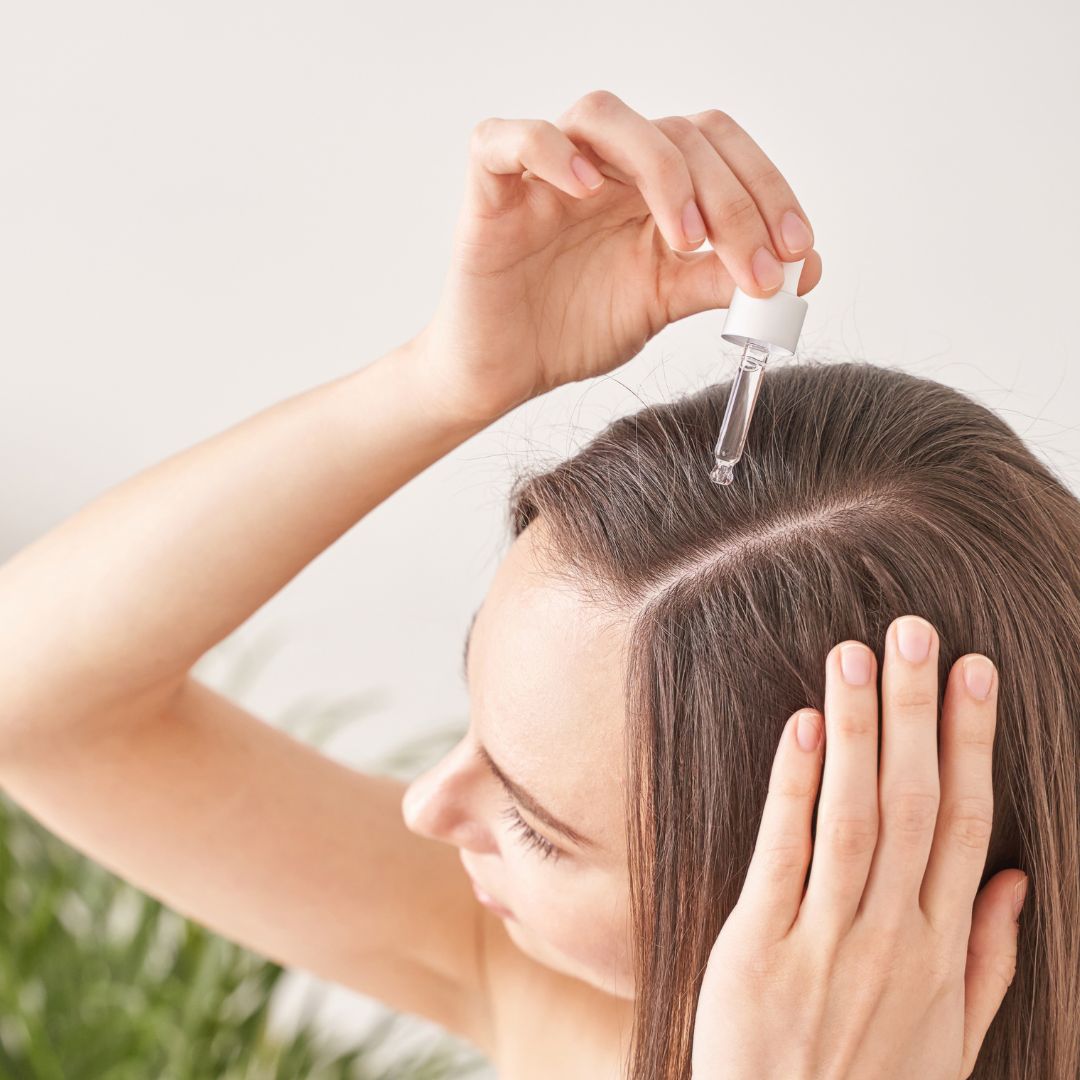
Using peptide-infused serums can improve microcirculation and stimulate stem cells around the transplanted follicles. This promotes faster growth and greater density, particularly during the first six months.
Clinical Insight
Post-transplant topical therapy relies on active cellular signaling to accelerate tissue re-epithelialization. Clinical investigations into Copper Tripeptide-1 (GHK-Cu) demonstrate that biomimetic peptides actively stimulate vascular endothelial growth factor (VEGF), significantly enhancing microvascular perfusion around newly implanted dermal papilla cells and extending the anagen (growth) phase.
Furthermore, dermatological studies on Polynucleotides (PDRN / Salmon DNA) show a marked increase in tissue repair and angiogenesis. By activating adenosine A2A receptors, PDRN minimizes post-surgical dermal inflammation, promotes fibroblast proliferation, and accelerates ischemic graft tissue recovery during the early remodeling stages.
What to Expect from the Serums in 1, 3, and 6 Months
By the end of the first month, you should notice reduced redness and a healthier scalp. By the third month, fine new hairs will start to appear. After six months, a high-quality hair serum can lead to thicker and stronger hair.
Please note that 6 months of regular use is required. In case of irregular use, it may be necessary to start from scratch again. To get the maximum efficiency from the serum after FUE, it is useful to use your hair serum regularly and as written in the product description.
Not sure which products to use after a hair transplant and in what order? Then check out this comprehensive hair transplant healing guide.
FAQs about Hair Growth Serum After Hair Transplant
Does hair growth serum after hair transplant really work?
Serums containing vitamins are very valuable for moisturizing and nourishing your hair. The best serum to use after a hair transplant is the one that contains vitamins, minerals as well as salmon DNA and stem cells of plants.
How do you use hair growth serum?
It is recommended to be used every 2 weeks by massaging with a dermaroller. Gently massage your skin with a dermaroller and make sure that the product is homogeneously distributed all over your scalp.
What happens when you stop using hair growth serum after hair transplant?
Transplanted follicles will retain their genetic resistance, but discontinuing supportive serums may slow down optimal cellular nourishment and overall density recovery.
How long should I leave hair growth serum after hair transplant?
Apply it to a clean, dry scalp and let it absorb completely. Then you can rinse after 40-45 minutes, unless your doctor advises otherwise.
Does hair serum help the donor area heal faster?
It does not guarantee faster healing. However, with its nourishing and moisturizing formula, it may help support a smoother and more comfortable recovery process. Our dual serum set includes two different types of serums: one formulated for the donor area and the other for the recipient area. One formula contains nourishing ingredients, while the other includes restorative active components.
References
-
Pickart, L., & Margolina, A. (2018). Regenerative and Protective Actions of the GHK-Cu Peptide in the Light of the New Gene Data. International Journal of Molecular Sciences.
-
Galeano, M., et al. (2008). Polydeoxyribonucleotide (PDRN) Improves Angiogenesis and Wound Healing via Adenosine A2A Receptors. Critical Care Medicine.
-
Perez-Meza, D., et al. (2009). Review of Factors Affecting the Growth and Survival of Follicular Grafts in Hair Restoration. Journal of Cutaneous and Aesthetic Surgery.
-
Trüeb, R. M., et al. (2015). Highly Efficient and Compatible Topicals for Use After Hair Restoration. Journal of Cosmetics, Dermatological Sciences and Applications.
Recommended Reading
✦ Gentle Cleansing: What is the Best Shampoo After Hair Transplant? — Crucial ingredients to look for and a week-by-week post-op washing guide.
✦ Follicle Nutrition: Best Hair Vitamins After Hair Transplant — Essential micronutrients required to strengthen roots and boost graft survival.
✦ Loss Prevention: 8 Current Treatments to Stop Balding — Clinically backed medical and non-surgical solutions to preserve native hair.
✦ Visual Recovery: Hair Transplant Timeline: Real Before & After Photos — Month-by-month visual milestones and realistic growth expectations.
✦ Necrosis Treatment: Scalp Necrosis After a Hair Transplant Surgery— Treatment process.


Receive offers, product alerts, styling inspiration and more. By signing up, you agree to our Privacy Policy.
- info@perseusstyle.com