Zinc and Hair Loss: Does Zinc Really Help?
Written by Perseus Editorial Team
Last Update: September, 2026
Medically reviewed by Senior Hair Transplant Specialists at Perseus Clinical Partner Network
Hair loss is often discussed in relation to vitamins and minerals, and zinc frequently comes up in these conversations. There is a real connection between zinc and hair loss. Zinc plays a role in many biological processes that help maintain healthy tissues, and when zinc levels become too low, different types of hair loss may occur.
However, this does not mean that taking extra zinc will automatically make your hair thicker or help it grow faster.
What really matters is whether your body has enough zinc to support its normal functions. If you have a zinc deficiency, correcting it may help remove one of the factors contributing to hair loss. But if your zinc levels are already adequate, taking additional supplements may do more harm than good.
Understanding the relationship between zinc and hair loss can be especially helpful for people dealing with unexplained shedding, nutritional deficiencies, or increased hair loss after stressful periods.
What Does Zinc Actually Do?
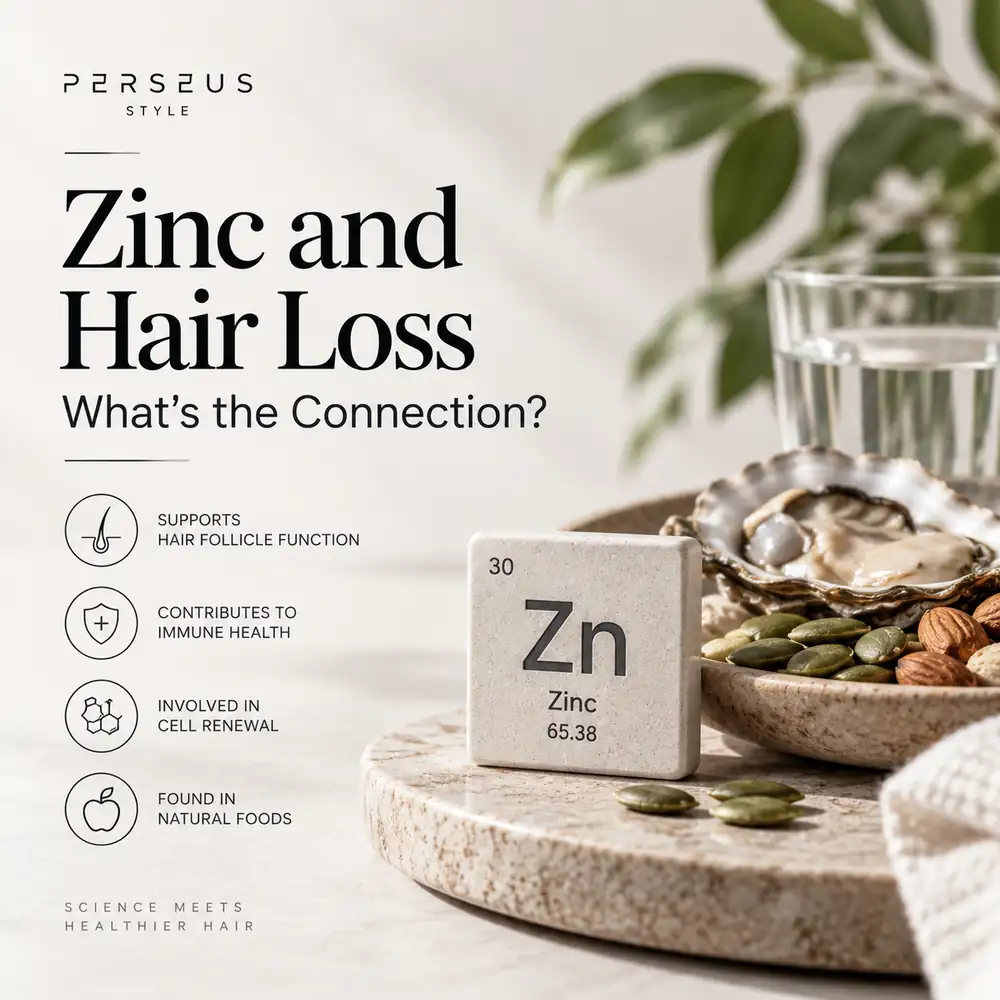
It is an essential trace mineral. The body cannot produce it, so zinc must come from food or, when medically appropriate, supplements.
Zinc participates in numerous cellular processes. It contributes to normal immune function, protein synthesis, DNA synthesis, wound healing, and cell division.
These functions also explain why zinc is relevant to hair biology.
Hair follicles are extremely active structures. During the growth phase of the hair cycle, the cells within the follicle rapidly multiply and differentiate. During this process, normal hair production depends on an adequate intake of nutrients that support these cells. Zinc is one of those nutrients. However, this does not mean that zinc directly promotes hair growth. Zinc supports normal biological processes; consuming more than the body needs does not accelerate these processes.
How much zinc does a person need daily?
According to the NIH Office of Dietary Supplements, the recommended daily zinc intake for healthy individuals is:
Adult men: 11 mg/day
Adult women: 8 mg/day
Pregnant women: 11 mg/day
Breastfeeding women: 12 mg/day
Boys aged 14–18: 11 mg/day
Girls aged 14–18: 9 mg/day
Does Zinc Help With Hair Loss?
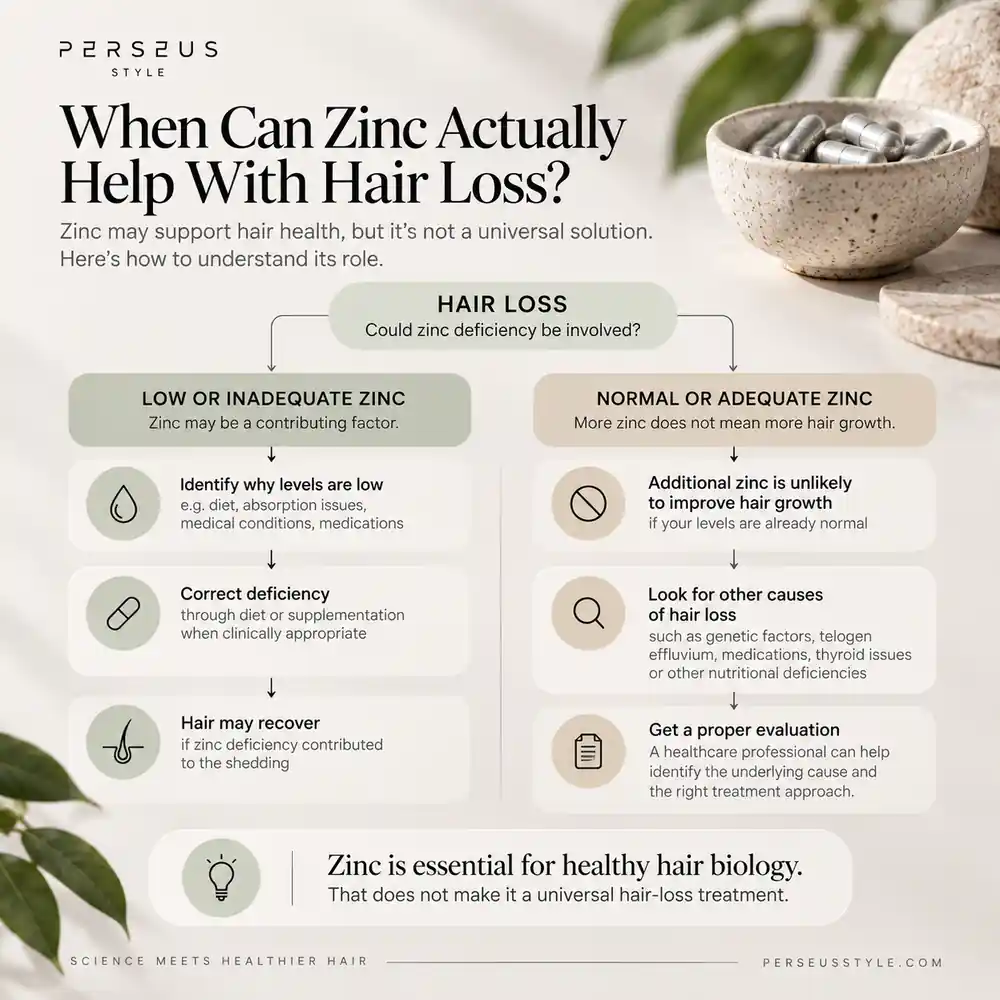
The relationship between zinc and hair loss is complex. If you have a zinc deficiency, it may be related to your hair loss. However, if the underlying cause of your hair loss is something else, zinc supplements may not make a noticeable difference. In fact, a zinc deficiency can cause hair changes and alopecia. In this situation, restoring adequate zinc status may allow hair affected by the deficiency to recover.
Studies (Kil et al. 2013) have investigated serum zinc levels in people with several forms of alopecia, including:
- telogen effluvium
- androgenetic alopecia
- alopecia areata
- female and male pattern hair loss
Some studies have found lower zinc levels among people with certain types of hair loss. Others have found little or no meaningful difference compared with people without hair loss.
The results are not the same in every study. This means that low zinc levels are not always the reason for hair thinning or hair loss. Zinc deficiency may be one of several factors to consider, especially when nutritional deficiencies are suspected. For the same reason, zinc supplements should not be seen as a solution for every type of hair loss.
Why Would Someone Become Zinc Deficient?
Low zinc levels may not necessarily mean that a person is not getting enough zinc from their diet.
The body may not be able to absorb zinc properly. People who do not get enough zinc from their diet or who have digestive problems that make it difficult to absorb nutrients may be at higher risk for lower zinc levels.
Diet composition also matters. Animal-based foods are relatively high in zinc. Plant-based foods can also provide zinc, but phytates—which occur naturally in foods such as whole grains and legumes—can bind to zinc and reduce its absorption.
Certain gastrointestinal disorders, malabsorption conditions, restrictive diets, and other medical conditions can also reduce zinc intake. Therefore, when zinc deficiency is suspected, the key question should not simply be “Should I take zinc?” but rather “Why might my zinc levels be insufficient?”
Rather than taking supplements without investigating the cause, it may be more beneficial to consult a specialist to find the answer to this question.
Zinc and Telogen Effluvium
Telogen effluvium can be triggered by many factors, including stress, illness, major surgery, significant weight loss, restrictive diets, and nutritional deficiencies. For this reason, researchers have also looked at zinc levels in people with telogen effluvium. Some studies have found lower zinc levels, while others have not found a clear difference. This means that low zinc may play a role in some cases, but it is not the cause of every case of telogen effluvium. Taking zinc without knowing what is causing the hair loss may not address the real problem.
Iron stores are another common part of the clinical picture, particularly in people with diffuse shedding. If low iron is suspected alongside zinc deficiency, our hair loss risk test for low iron levels explains how ferritin, haemoglobin, dietary factors, and common symptoms can help determine whether further blood testing may be appropriate.
What About Zinc and Pattern Hair Loss?
Pattern hair loss is mainly linked to genetics and hormones, rather than nutritional deficiencies. However, researchers have also looked at whether nutrients such as zinc may play a role.
Some studies have found lower zinc levels in people with male or female pattern hair loss, but this does not mean that zinc deficiency is the cause.
Zinc supplementation should therefore not be considered a treatment for pattern hair loss unless there is a reason to suspect or confirm a deficiency.
It is also possible to have more than one cause of hair loss at the same time. For example, someone with pattern hair loss may also have a nutritional deficiency or telogen effluvium. Treating the additional problem may help improve overall hair health, but it does not remove the underlying pattern hair loss.
Zinc and Alopecia Areata
Low zinc levels have been linked to alopecia areata, but the connection is not completely clear. Having low zinc does not necessarily mean that it caused the condition. Zinc supplements should also not be considered a standard treatment for alopecia areata. However, if a person is found to have a zinc deficiency, correcting it may help support overall hair health. The main point is simple: treating a zinc deficiency and treating alopecia areata are not the same thing.
Do You Need a Zinc Blood Test for Hair Loss?
A zinc blood test can be useful, but it is not necessary for everyone experiencing hair loss. Testing may be more relevant if there are other reasons to suspect a zinc deficiency, such as:
- a restrictive or unbalanced diet
- digestive problems that may affect nutrient absorption
- other signs of nutritional deficiency
- ongoing or unexplained hair shedding
Blood zinc levels can also change depending on factors such as recent meals, inflammation, and the time of day. For this reason, the result should not be evaluated on its own. A doctor may consider your diet, symptoms, medications, type of hair loss, and other blood test results before deciding whether zinc deficiency could be contributing to your hair loss.
NOTE: For people preparing for hair restoration surgery, we explain these assessments in more detail in our guide to blood tests before a hair transplant, including which tests are commonly requested and why additional micronutrient testing may sometimes be considered.
Should You Take Zinc Supplements for Hair Loss?
Zinc supplements may help when hair loss is linked to a zinc deficiency. But if you already get enough zinc, taking more is unlikely to improve hair growth. Doctors usually assess the need for zinc supplements through your symptoms, diet, medical history, and, when needed, a blood test. If you are concerned about zinc deficiency and hair loss, a dermatologist is a good place to start. They can also check whether another condition may be causing the hair loss.
Can Too Much Zinc Cause Problems?
Yes.
High zinc intake can cause short-term symptoms such as nausea, abdominal discomfort, vomiting, headache, dizziness, and loss of appetite. In the long term, excessive supplementation can lead to copper deficiency. Zinc and copper interact with each other during intestinal absorption. Consistent high zinc intake can impair the body’s ability to absorb copper. Over time, this can lead to problems associated with copper deficiency, including anemia and neurological complications.
If you are taking a hair vitamin supplement, the zinc content in the hair vitamin should be kept within moderate levels.
What Are The Best Dietary Sources of Zinc?
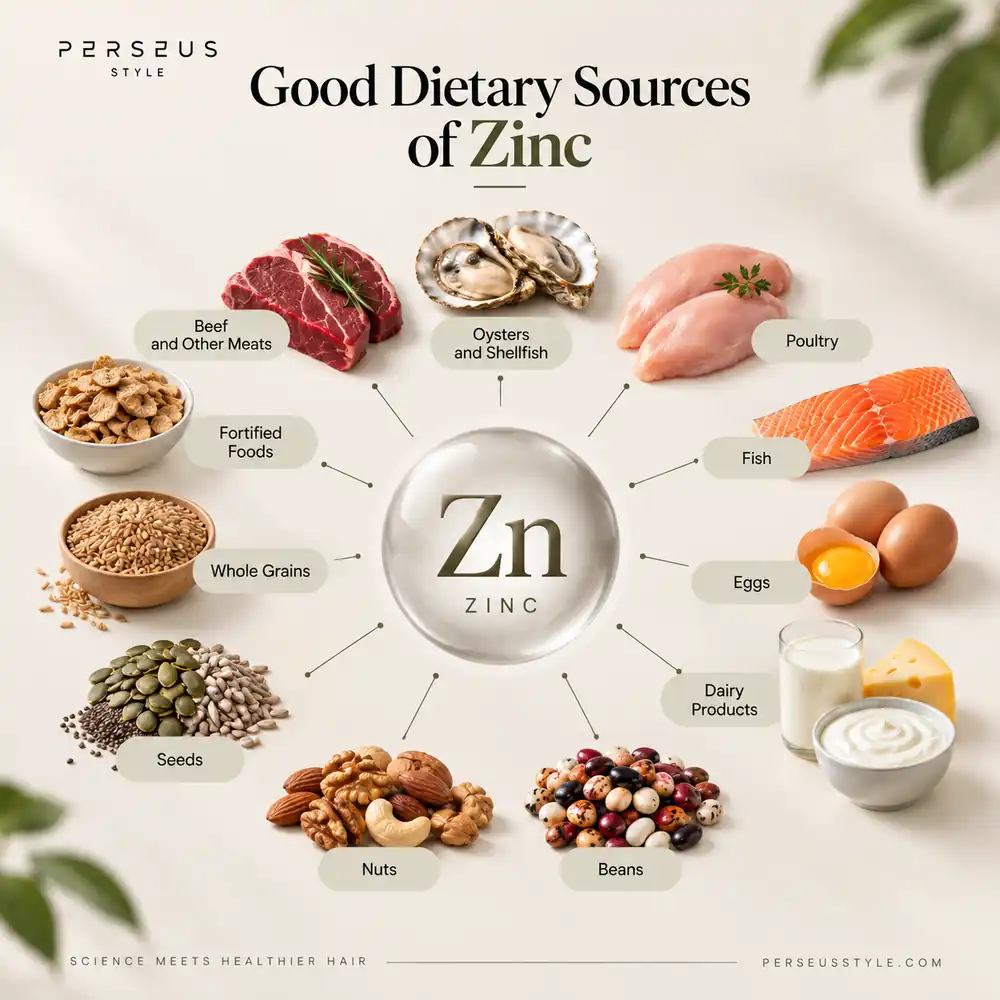
7-Day Meal Plan for Hair Growth provides comprehensive information on foods that strengthen hair. Even in the absence of a diagnosed deficiency, consuming these foods can be beneficial for hair health and help strengthen your hair:
- oysters and other shellfish
- beef and other meats
- poultry
- fish
- eggs
- dairy products
- beans
- nuts
- seeds
- whole grains
- fortified foods
The amount absorbed varies between foods.
Zinc, Hair Loss, and Hair Transplantation
The importance of zinc in the hair transplant process increases after surgery.
Surgical success depends on many factors, such as the surgical technique, graft preparation, the condition of the recipient area, postoperative care, and the patient’s biological characteristics. Zinc cannot replace any of these factors.
However, since zinc plays a role in processes such as protein synthesis, cell division, normal immune function, and wound healing, it does contribute to the healing process. In other words, it has no effect during the surgery itself, but it can suddenly become one of the key factors in the healing process.
Patients currently taking multivitamins, hair supplements, or other dietary supplements should check whether these products contain zinc before adding another zinc supplement. Using several products together can increase the total intake without the patient realizing it.
Perseus Recommends
Zinc plays an important role in normal hair and tissue health, making adequate intake particularly relevant during the post-transplant period. Perseus Hair Vitamins combine zinc with biotin, ginseng, and other micronutrients to complement your daily nutrition as part of your post-hair transplant care routine.
Explore Perseus Hair Vitamins →Zinc vs. Biotin: Which Is More Important for Hair?
Zinc and biotin are often found together in hair supplements. So, which one is better for hair? There is no simple answer because they play different roles in hair health. Zinc supports normal cell growth, protein synthesis, and the function of hair follicles. Biotin helps the body process nutrients and supports keratin production, an important structural protein in hair. Together, they can support normal hair growth and help reduce deficiency-related hair loss when zinc or biotin levels are inadequate.
Zinc and Hair Loss: Zinc Matters Most When You Need It
The bottom line is that zinc is a truly important nutrient in terms of human physiology and normal hair biology. Severe or chronic zinc deficiency can trigger hair loss, and correcting a diagnosed zinc deficiency can be quite effective in stopping hair loss.
On the other hand, for people whose zinc levels are already adequate, zinc supplements alone may not be sufficient to combat hair loss. However, this effect may vary depending on your type of alopecia. Therefore, if you suspect a zinc deficiency is contributing to your hair loss, you can begin a supplement regimen at the dosage recommended by your doctor after consulting with them; however, keep in mind that zinc is unlikely to be the sole cause of your hair loss. Many physiological and psychological factors—such as your diet, ability to manage stress, gut health, and the type of alopecia you have—may be linked to your hair loss.
References
- National Institutes of Health, Office of Dietary Supplements. (n.d.). Zinc: Fact Sheet for Health Professionals.
- Kil, M. S., Kim, C. W., Kim, S. S. (2013). Analysis of Serum Zinc and Copper Concentrations in Hair Loss. Annals of Dermatology, 25(4), 405–409.
- Almohanna HM, Ahmed AA, Tsatalis JP, Tosti A. — The Role of Vitamins and Minerals in Hair Loss: A Review. Dermatology and Therapy, 2019.
- Chang HC, Chang YS. — Association between serum zinc levels and androgenetic alopecia: a systematic review and meta-analysis. Journal of Cosmetic Dermatology, 2022.
- Drake L, et al. — Evaluation of the Safety and Effectiveness of Nutritional Supplements for Treating Hair Loss: A Systematic Review. JAMA Dermatology, 2023.
- Guo EL, Katta R. — Integrative and Mechanistic Approach to the Hair Growth Cycle and Hair Loss. 2023.
Recommended Reading
Hair loss rarely has a single explanation. If you would like to explore nutrition, medication, scalp care, and everyday hair characteristics in more detail, these guides provide useful next steps:
✦ The Best Hair Vitamins After Hair Transplant – Zinc is only one part of the nutritional picture. Read our guide to the best hair vitamins after a hair transplant for a broader look at vitamin D, B vitamins, iron, zinc, and other nutrients that may be relevant during recovery.
✦ Which Medications Cause Hair Loss? – Nutritional deficiencies are not the only potential trigger for increased shedding. Our guide to medications that may cause hair loss examines drug-induced alopecia and explains why the timing and type of shedding can provide useful clues.
✦ Aloe Vera Gel and Hair Transplant – Nutrition works from within, while the recovering scalp has its own topical-care requirements. Learn more about using aloe vera gel after a hair transplant, including where it may fit into post-procedure scalp care and where caution is needed.
✦ The Only Hair Care Guide You Need – Not every problem with texture, dryness, breakage, or manageability is caused by a nutritional deficiency. Our natural hair care guide by hair type explains how hair characteristics can influence everyday care choices.
✦ What Causes Frizzy Hair? – Frizz and structural hair changes can sometimes be mistaken for poor hair health or nutritional problems. Read about the causes of frizzy hair to understand the roles of the hair cuticle, humidity, moisture balance, damage, and individual hair structure.


Receive offers, product alerts, styling inspiration and more. By signing up, you agree to our Privacy Policy.
- info@perseusstyle.com