Written by Perseus Editorial Team
Last Update: August, 2026
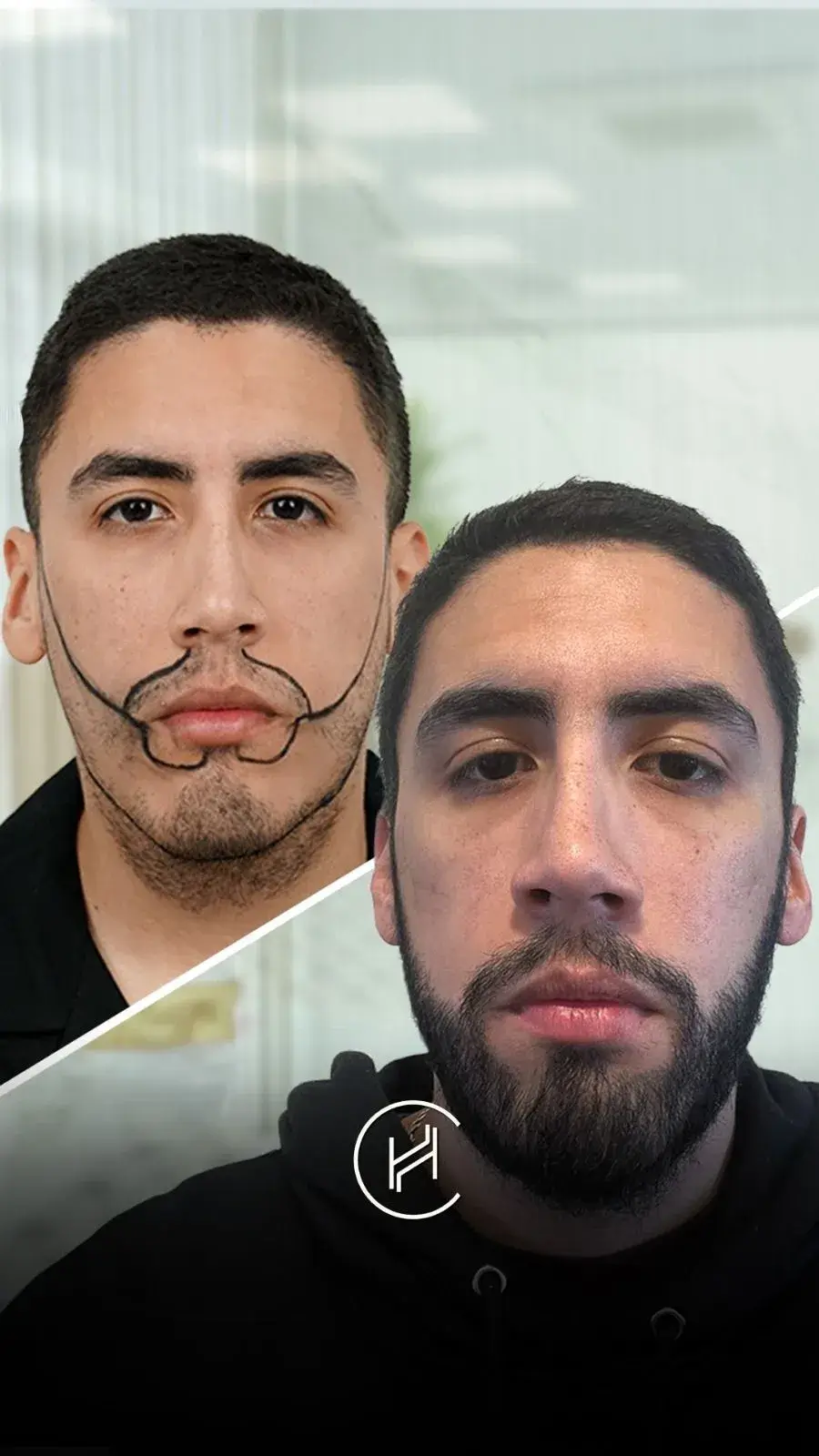
A beard can be one of the main features of a man. However, due to genetic factors, growing a beard can be more difficult for some men than others. Some men are genetically predisposed to having sparse beards, some have no beard growth at all, and some experience “patchy hair loss” in their beards. If you suffer from irregular beard growth or have inherited a gene that prevents you from growing a full beard, you may wish to consider high-quality beard transplantation in Turkey.
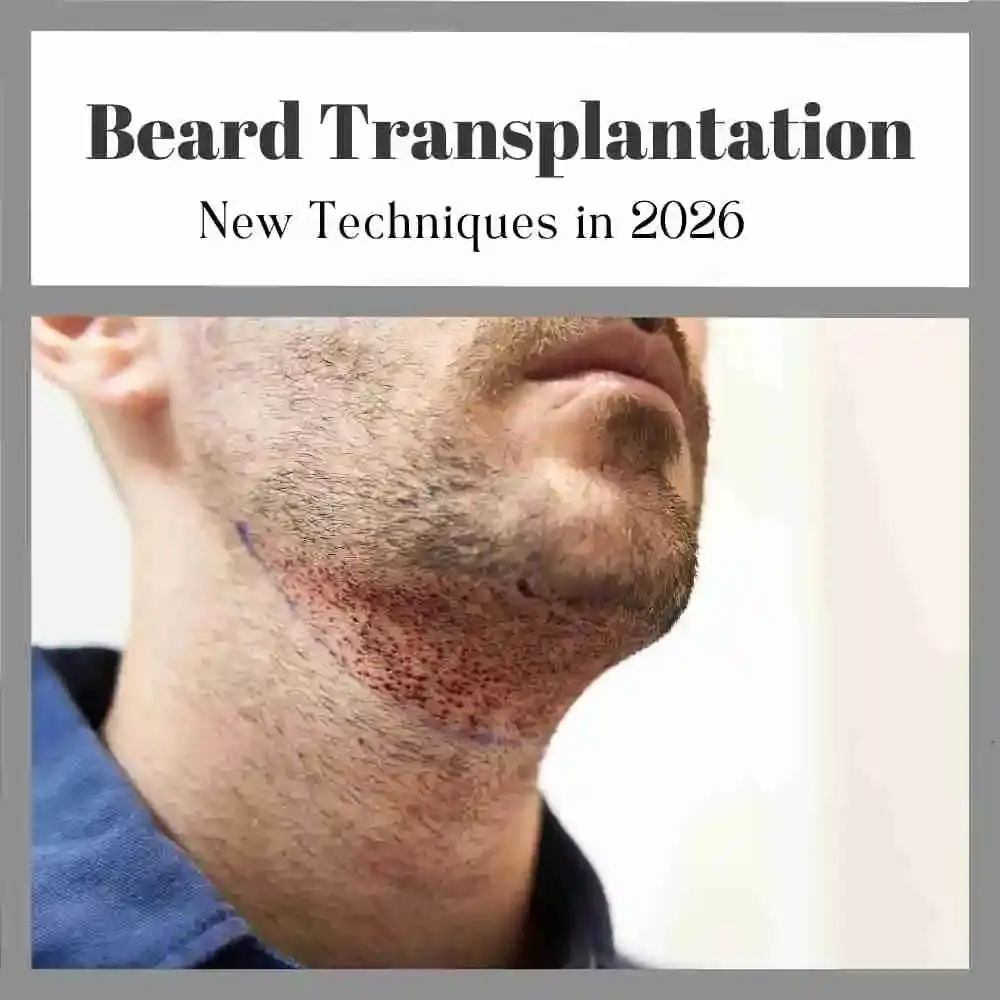
In this report, we asked clinics in Istanbul (Turkey’s largest city and the country with the highest number of hair transplants worldwide) about current beard transplant procedures and prices. Let’s take a look at beard transplant costs in Istanbul, Turkey in 2026, including the new techniques used and the number of grafts transplanted.
By 2026, hair and beard transplant technology will have evolved beyond simply moving hair follicles to encompass regenerative medicine. DHI (Direct Hair Implantation) remains the dominant choice. Grafts collected with the Choi pen are carefully implanted at highly precise angles ranging from 10 to 60 degrees, enabling surgeons to deliver optimal results. This allows beard follicles to grow at their natural angles. Additionally, options such as faster recovery and unshaven procedures (U-FUE) are available. Unlike traditional FUE, Sapphire FUE is also in high demand; in this technique, channels are opened with blades made from real sapphire gemstones rather than metal, which reduces tissue damage significantly.
| Technique | Recovery | Naturalness | Best For |
| DHI | 3-5 Days | ⭐⭐⭐⭐⭐ | Sharp Edges |
| Sapphire | 5-8 Days | ⭐⭐⭐⭐ | Full Coverage |
| SDHI | 4-6 Days | ⭐⭐⭐⭐⭐ | Max Density |
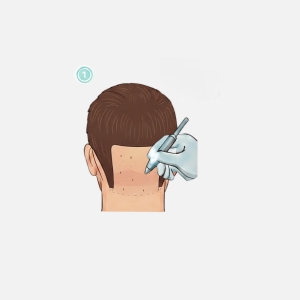
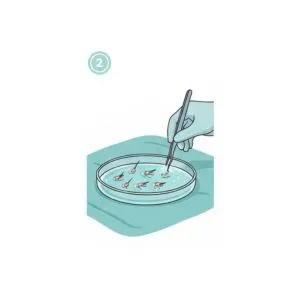
In the first stage of beard transplant surgery, the patient’s donor hairs are taken from the pre-determined donor area. The surgical tools and blades used vary depending on the technique. In modern techniques, individual follicles are carefully collected in grafts (i.e. clusters of follicles).
The nape of the neck and the back of the head are generally preferred as donor areas. In very rare cases, hair follicles can also be taken from other areas of the body.
Once extracted, the hair follicle enters a state of ischaemia, or lack of blood flow. The primary goal of the solution is to slow cellular metabolism and block ‘cell death signals’.
While clinics use isotonic sodium chloride (0.9% NaCl) or Ringer’s lactate, advanced centres use HypoThermosol or Viaspan to mimic intracellular fluid.
The solution must be kept at +4°C. At room temperature (22–25 °C), grafts consume oxygen rapidly and die within two hours. Cold storage induces hibernation or metabolic suspension, extending the survival of grafts outside the body from 2 hours to 6 to 8 hours.
While hair transplants use angles of 40 – 45 degrees, beard transplants require an ultra-acute angle of just 10 – 20 degrees; otherwise, the hair grows straight out, creating an undesirable ‘hedgehog’ look.
Since natural beards consist of singular hairs, all grafts must be microscopically dissected into single follicles to prevent a ‘grass-head’ look. Surgeons also use a ‘transition zone’ strategy, placing finer follicles on the upper cheek and increasing density towards the jawline. Lastly, they must precisely mimic natural beard growth patterns, particularly the intricate whorls found in the submandibular neck region.

The initial recovery period lasts 10 days and focuses on vascularisation, i.e. the formation of new blood connections. For the first three days, the grafts are only held in place by natural clotting, so any friction could dislodge them. It is normal for swelling to descend to the neck area during the healing process.
From day 4 onwards, the body begins to build microscopic vessels to establish permanent graft survival through a process called angiogenesis. Scabs will form by day 10 and must be washed off using a specific technique to prevent bacterial growth and allow the skin to breathe.

Turkey continues to dominate the global health tourism market by offering high-quality results at competitive prices. Patients can expect a specialised price range of $2,200 to $2,800 for a high-quality, doctor-led procedure.
| Procedure Type | Typical Grafts | Package Price (USD) |
| Mustache & Goatee | 500 – 1,500 | $2,200 |
| Partial Beard / Cheeks | 1,500 – 2,500 | $2,500 |
| Full Beard & Mustache | 3,000 – 4,500+ | $2,800 |
This price range is attractive to most patients because it includes the advanced DHI technique, which is not available in many countries, the doctor’s direct involvement in critical stages such as hairline design, and aftercare services that often provide support for up to 1 to 2 years.
Graft Count: Facial hair requires much higher precision in terms of angle, direction, etc. than scalp hair to appear natural. The estimated graft counts and technical details are as follows:
| Area | Average Graft Count | Detail |
| Mustache Only | 350 – 500 | For full coverage above the lip. |
| Chin / Goatee | 600 – 800 | Focused on symmetry and density. |
| Sideburns | 200 – 250 (per side) | To define the sideburn line. |
| Cheeks / Partial Beard | 1,000 – 2,000 (total) | To raise the beard line or fill gaps. |
| Full Beard & Mustache | 2,500 – 3,000+ | Required for a completely clean-shaven face. |
Technique Used: The most standard technique is the DHI. Since the channels are opened and the grafts are implanted simultaneously, they can be opened at much narrower angles. That prevents the beard from growing upwards and ensures a natural, flat-lying appearance.
Surgeon’s Expertise: A natural-looking moustache and beard depend on 100% of the implanted grafts being single. Double or triple grafts create a ‘brush-like’ or artificial appearance. A specialist surgeon must have the precision to separate single follicles under a microscope. We therefore recommend choosing a surgeon with at least several years of experience. According to ISHRS (International Society of Hair Restoration Surgery) data, the complication rate (infection, necrosis, etc.) is as low as 1.2% when performed by specialists. Most failures stem from ‘overharvesting’ of the donor area, reflecting inadequate surgical planning.
Clinic Reputation: A clinic’s reputation is not measured solely by famous names or luxurious offices. Safety and real results are required. The best clinics follow international standards to keep complication rates at a low level, such as 1.2%. Your procedure is managed not just by a technician, but by a surgeon and their team.
In recent years, thanks to advanced post-operative products and the latest technological devices, the recovery process has been shortened. Most patients grow a full beard within 3-4 months. Generally, the post beard transplant schedule is as follows:
Recovery Process for 2026 Beard Transplant
As with DHI and FUE hair transplants, post-operative rules also apply to beard transplants. Again, the no-touch rule should be followed, you should sleep with several pillows, apply post-operative sun cream for sun exposure, pay attention to your diet after surgery, and avoid all other harmful substances such as cigarettes during the recovery process… You can read our related article for the hair transplant healing timeline and rules.
Only 300–900 grafts are needed to fill small gaps in the cheeks and thicken a thin moustache. In 2026, surgeons used this range for ‘lateral slit’ techniques to ensure the grafts were placed at a near-flat angle to the skin. Even 300 grafts can alter facial appearance by up to 40% if concentrated solely on the vertical groove above the lip (philtrum), creating a stronger moustache peak.
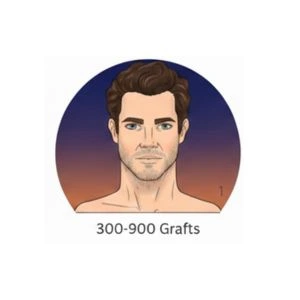

This range is ideal for giving the lower part of your face that characteristic line. These numbers will help you reach your goal, especially if you want to blend the moustache and chin area or cut your sideburns down to the jawline without interruption.
To capture a natural sense, we take a very delicate approach here: we select the finest, single hair follicles from the nape of the neck, above the upper edge of the cheekbones, to avoid an artificial, hand-drawn appearance. This creates a smoother transition, just like natural facial hair. If we are going to exceed 1,500 grafts, we plan your donor area very carefully. Our goal is to give you the facial hair fullness you desire without leaving any patchy areas at the back.
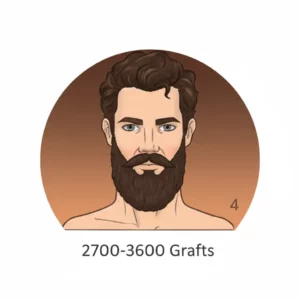
This range is the industry standard for beard transplants, with most patients requiring between 1,800 and 2,700 grafts. This quantity usually provides full coverage of the cheeks, chin and jawline on an average-sized face. However, if your cheek area is larger or your jaw structure is longer, you may require more than 2,700 grafts.
Surgeons follow the natural growth pattern of a beard by creating a subtle gradient. This involves placing the highest density at the chin and gradually tapering it as it moves toward the cheekbones to avoid any harsh or artificial lines. Clinical data suggests that reaching a density of 35–40 grafts per cm2 is the standard for achieving full visual opacity, which is the point where the hair becomes thick enough to completely cover the underlying skin.

For those with hardly any facial hair, this range helps you to grow a beard from scratch. Surgeons must constantly adjust the implantation angles because chin hair grows downwards and jaw hair grows sideways. Due to the large number of grafts, the skin faces vascular competition for blood supply. 
In 2026, the cost for a 3000-graft beard transplant in Turkey generally ranges between $1,650 and $3,500. While FUE methods whether Standard or Sapphire usually fall within a more affordable $1,650 to $2,500 bracket, DHI (Choi Pen) techniques tend to be slightly higher, ranging from $2,000 to $3,500 due to the precision involved. Most clinics offer ‘all-inclusive’ packages that include 2 to 3 nights’ accommodation in a 4 or 5 star hotel, VIP airport transfers and all necessary post-operative medication. You might find budget clinics charging as little as $1,500, although prices can vary depending on the specific services included.
The recovery period lasts up to 1 year, and the results are permanent. However, just like your natural beard, transplanted hair can fall out if you develop a skin condition that triggers hair loss.
When we speak scientifically;
Data from the International Society of Hair Restoration Surgery (ISHRS) and clinical studies published in the Journal of Cutaneous and Aesthetic Surgery after 2010 report that when the “out-of-body time” of grafts in the FUE technique is kept under control, survival rates do not fall below 90%. Furthermore, specifically regarding beard transplantation, according to “Beard Reconstruction with Follicular Unit Extraction” (Journal of Craniofacial Surgery), the nourishment and graft take-up rates of follicles in the beard area are significantly stronger than those of scalp hair.
Yes, you can have a full, permanent beard through microsurgical methods that relocate hair from your stable donor areas to your chin, cheeks and jawline. The success of the procedure lies in the specialist handling of follicles to keep them healthy and encourage natural growth once they have been moved. According to ISHRS data, Turkey is in fact the global leader, performing over 1.5 million procedures every year. This volume of work proves that Turkish doctors have a level of clinical experience that far surpasses that of their competitors.
International Society of Hair Restoration Surgery (ISHRS). (2024). Practice Census Results: Global Trends in Hair and Facial Hair Restoration. Available at: https://ishrs.org/
Gho, C. G., & Neumann, H. A. (2020). Donor Management and Vascular Competition in High-Density Grafts. Journal of Dermatological Surgery and Oncology.
Unger, W. P., & Shapiro, R. (2025). Hair Restoration Surgery (6th Edition): Facial Hair Transplantation Dynamics and Angle Precision.
American Board of Hair Restoration Surgery (ABHRS). (2023). Standard Complication Rates and Safety Protocols in Follicular Unit Implantation.
Journal of Aesthetic and Reconstructive Surgery. (2024). The Threshold of Visual Opacity: Statistical Analysis of Graft Density per cm2 in Facial Reconstruction.
✦ Post-Op Growth Support: Minoxidil After Hair Transplantation — Learn when and how to safely reintroduce minoxidil following your procedure to boost follicle vitality and accelerate new hair growth.
✦ Scalp Protection: Can a Shampoo pH Level Affect the Hair? — Discover why standard drugstore shampoos can trigger a harsh ‘acid attack’ on sensitive scalps and why medical-grade pH balance matters.
✦ Long Hair Styles: 12 Long Haircuts Women Are Choosing This Year — Get inspired by this year’s most popular long hairstyles, featuring trending layers, face-framing cuts, and expert maintenance tips.
Receive offers, product alerts, styling inspiration and more. By signing up, you agree to our Privacy Policy.