Guide to natural hair care by hair type
Written by Perseus Editorial Team
Last Update: September, 2026
Choosing natural hair care products isn’t easy. While shampoo brands list their ingredients on the bottles, understanding what they mean – and which is organic – requires expertise. Some ingredients are there for texture, while others are there for fragrance or efficacy. Typically, brands use the following types of ingredients in hair care products:
- Surfactants like sodium lauroyl sarcosinate and sulfates help cleanse the hair.
- Thickeners including stearyl alcohol, stearic acid and cetyl alcohol provide texture.
- Moisturizers like hyaluronic acid and glycerin draw moisture into the hair.
- Emollients; argan oil, shea butter and coconut oil help to soften and smooth the hair.
- Additives; parabens and sulfates help extend shelf life.
- Natural Ingredients: Jojoba oil, green tea and aloe vera provide multiple benefits.
Some products contain harsh chemicals that may not be healthy for your scalp, so it is important to choose natural shampoos and conditioners. Organic shampoos and conditioners support your natural hair growth cycle, unlike those that contain harsh chemicals. This is important not only before a hair transplant, but also during the post-operative period.

Identifying natural haircare products
You can improve the texture, appearance, shine, and health of your hair strands by learning what it needs.
Hair porosity is a concept to take into account. It is important when finding out about your hairtype. It refers to the moisture level of your hair. Hair with low porosity has closed cuticles and is resistant to moisture. This can lead to dryness-induced hair splitting.
While picking a natural or vegan shampoo, check if it includes organic oils. Plus, check whether plant-based potassium sorbate, a salt derivative sodium benzoate, vitamin E, and rosemary extract are used instead of synthetic substances to extend shelf life. To provide natural hydration, formulators may use organic foams, lotions, and shampoos; plant extracts like oat extract, plant-based glycerin, and honey for moisture, hydrolyzed wheat protein for elasticity, and silk protein for softness.
The other factor that affects hair type is hair density. Dense hair appears thicker and fuller. Curly hair often has a volumised look. Low density hair tends to look sparse. Unfortunately, straight & fine hair is usually low density.
How is the Andre Walker Hair Typing System used to determine hair type?
This system, created in the 1990s by renowned hairstylist Andre Walker, classifies hair texture according to its natural curl pattern on a scale from 1 to 4. The letters (a, b, c) indicate the intensity and diameter of the curl. Thanks to the globally recognized Andre Walker Hair Typing System (1a-4c), you can determine your hair’s characteristics and provide it with the right balance of moisture and protein it needs.

Type 1: Straight Hair’s Natural Hair Care Products
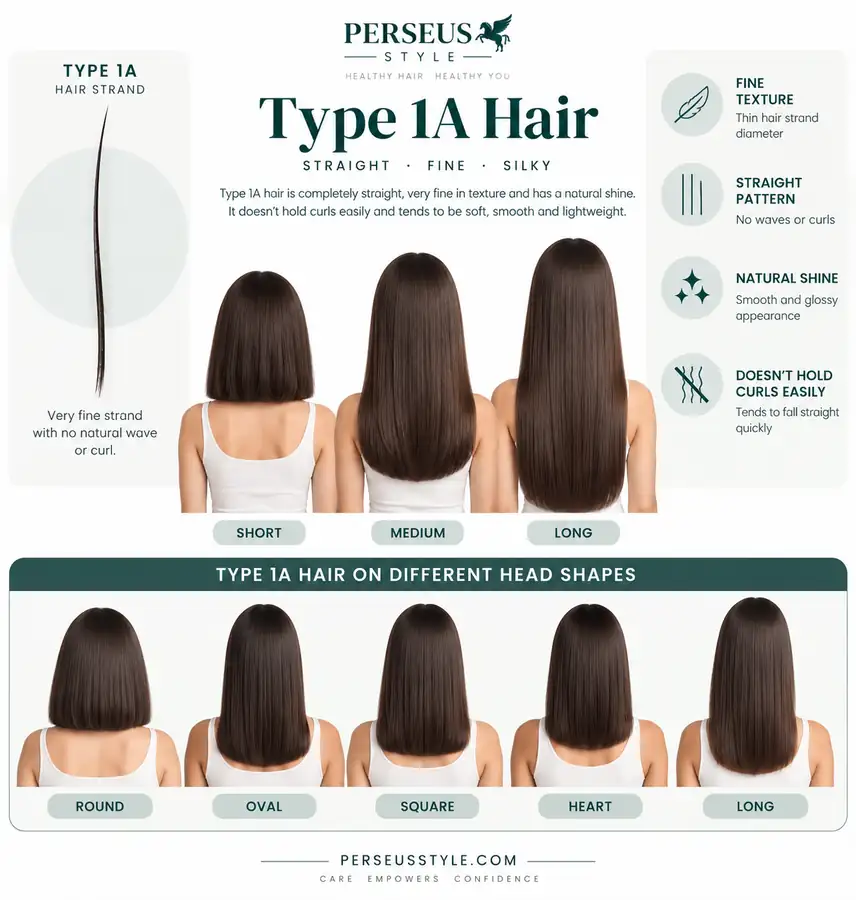
- 1a: Very straight, thin and fine texture
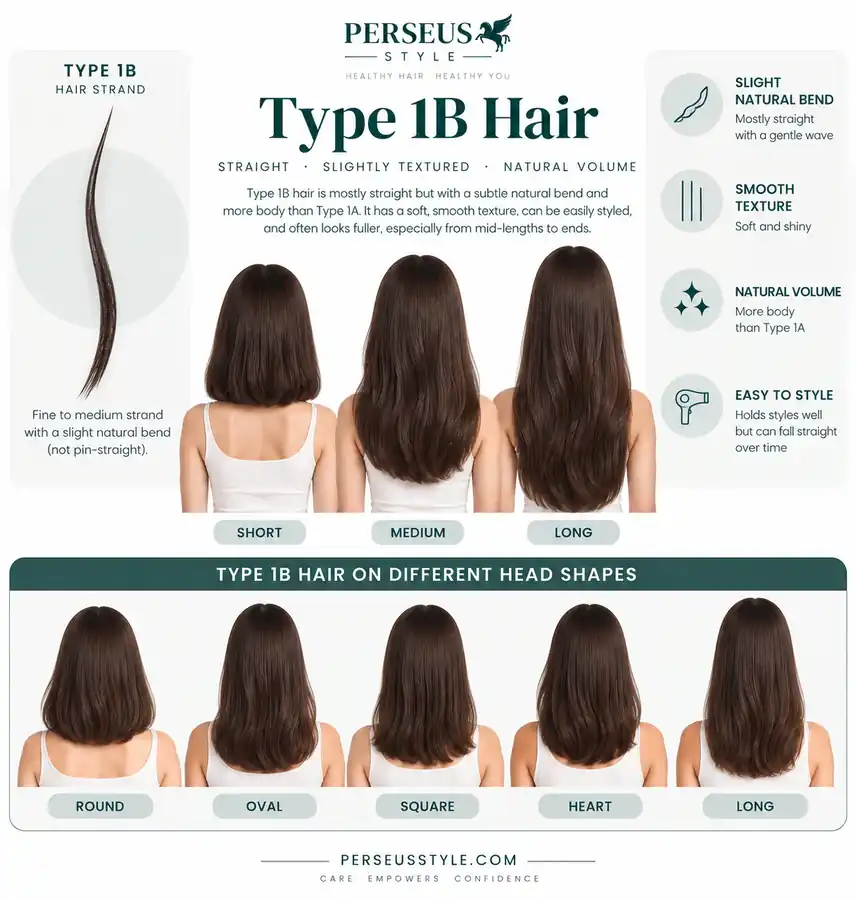
- 1b: Hair with a subtle wave
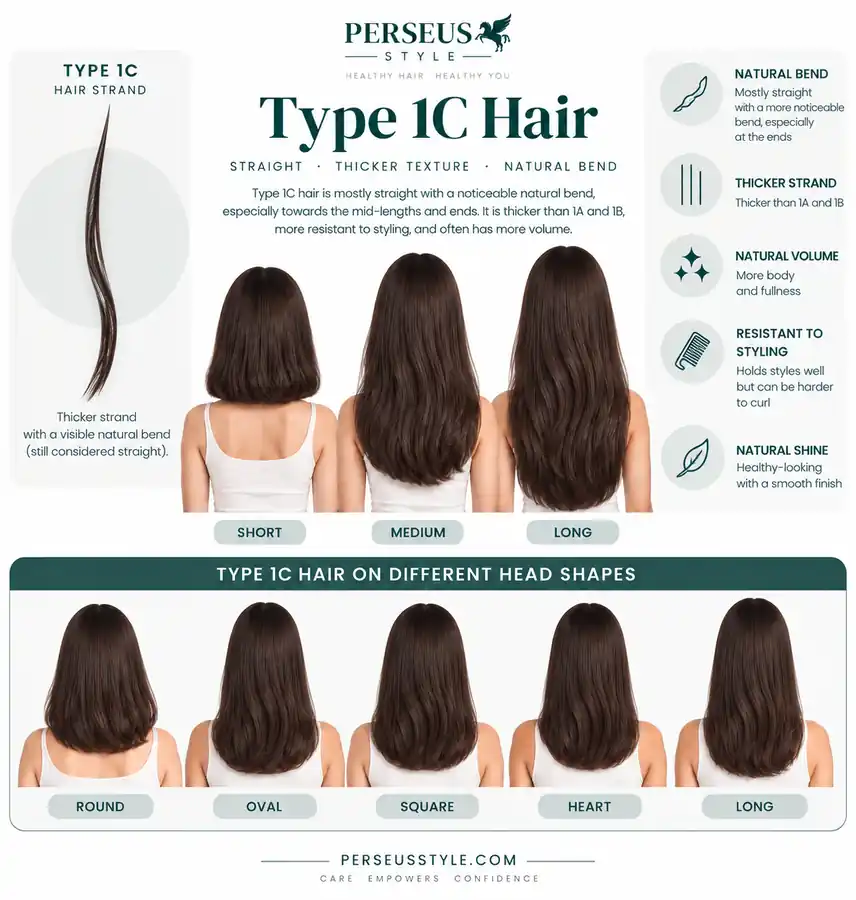
- 1c: Neither straight nor definitively wavy.
Shampoo type: Lightweight, volumizing shampoos. Light formulas; aloe vera or light oils. The combination of Perseus Post Hair Transplant Repair Shampoo & Panthenol Foam – contains the power of Aloe Vera and Panthenol – effectively moisturizes straight hair while also helping to prevent hair loss.
How to Comb Straight Hair?
Proper combing helps to maintain the health and shine of straight hair. First, use a wide-tooth comb on damp hair to prevent split ends. Begin at the ends and gently work upwards to remove tangles. For dry hair, use a paddle brush with soft bristles to evenly spread the hair’s natural oils. Brushing daily improves scalp circulation and reduces frizz. Studies in dermatology show that gentle detangling reduces the risk of mechanical damage and hair loss. Avoid brushing wet hair too vigorously, as it is more likely to stretch and snap. Regular, gentle grooming helps to preserve the integrity of straight hair in the long term.

Type 2: Wavy Hair’s Natural Hair Care
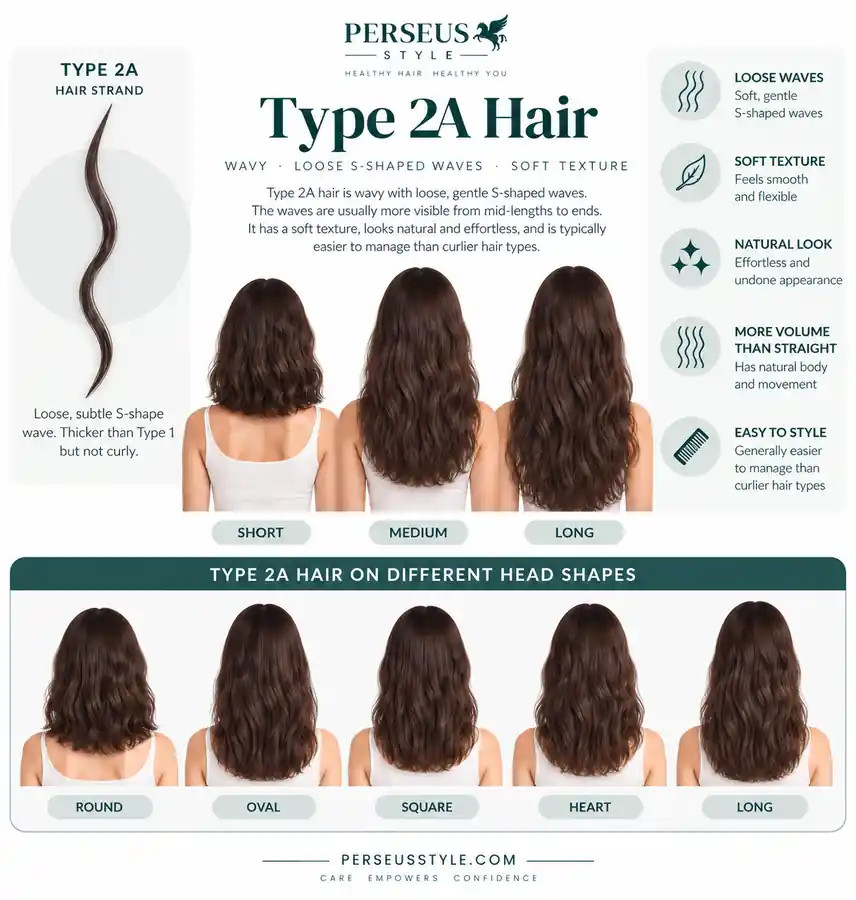
- 2a: Naturally wavy
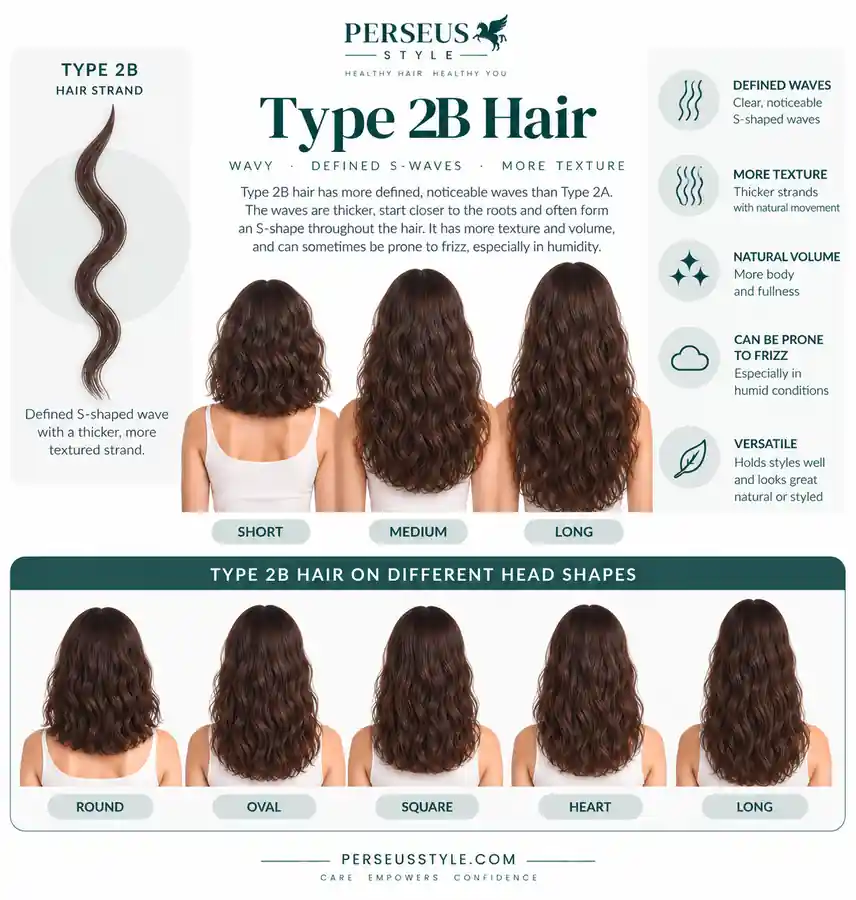
- 2b: S-shaped, mid-lenght waves.
- 2c: Wavy with well defined S waves
Serum type: Moisturizing and defining shampoos, ingredients like sea salt and light curl-defining components. Mesotherapy can be an effective treatment for wavy hair, helping to nourish the scalp and enhance hair texture and hydration.
What’s the ideal haircut for wavy hair?
The ideal cut balances weight and movement, preventing bulk and frizz. Trichology experts recommend layered cuts to reduce density and enhance the S-pattern, so waves form naturally. Long layers or shaggy cuts help to maintain the integrity of the curls and relieve tension on the hair shaft, thereby minimising stress. But please avoid blunt cuts, which disrupt wave distribution and increase triangle-shaped volume.
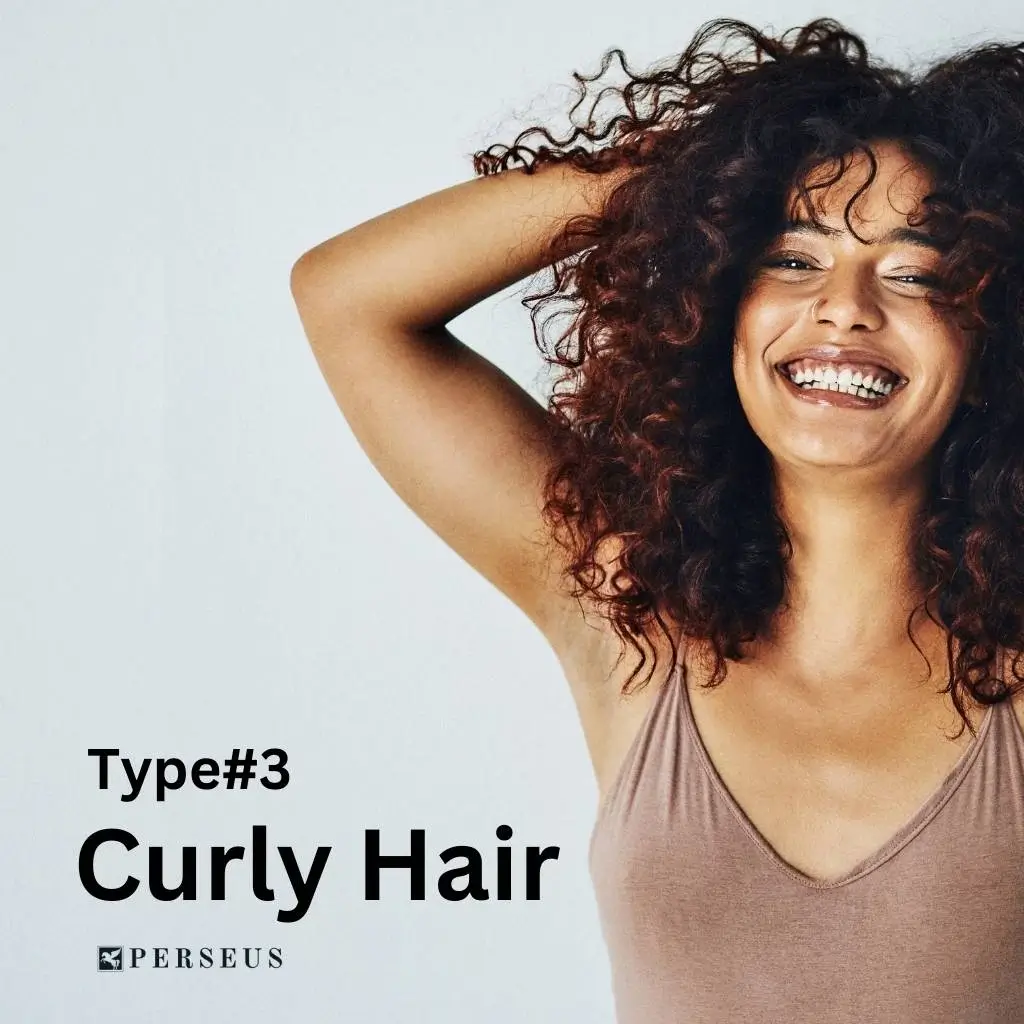
Type 3: Curly: Natural hair care products for big locks
- 3a: Curls tend to be springly and wide
- 3b: Medium-tight, S-shaped spiral curls
- 3c: An S- or Z-shaped curls that bounce back into shape when you stretch it.
Hair oil type: Rich emollients like argan oil, shea butter, or coconut oil to moisturize deeply. Check out Ozonized Hair Oil of Perseus. It contains Jojoba, Almond, Sesame, Tea Tree and Sage Oils.
How can I define my curls without causing frizz?
Stylists suggest using a leave-in conditioner and a curl cream to lock in moisture and reduce frizz. Apply the products using the praying hands method or the rake-and-shake technique to achieve even coverage. Use a diffuser on a low heat setting to dry your hair while preserving its shape and keeping cuticle disruption to a minimum. Touching your hair during drying can cause frizz and lift the cuticle, so try to avoid it.
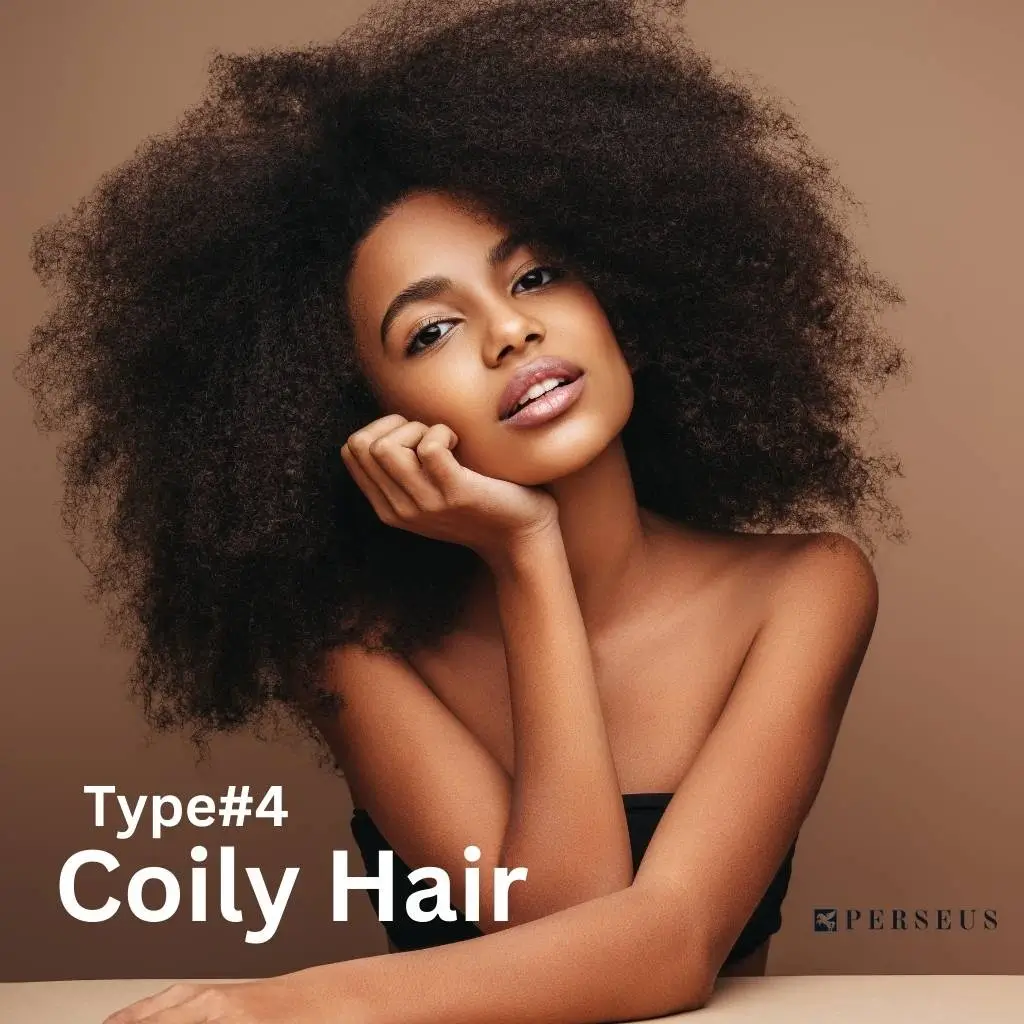
Type 4: Coily – Natural Products for Beautiful Coils
- 4a: Loosely packed curls
- 4b: Zig-zag coils
- 4c: Very tight coils
Shampoo type: Super cleansing, conditioning and moisturising lotions like Panthenol Foam Scalp Care Lotion. Coily hair is the most troublesome to clean and style. Lotions can be effective for both clean and style.
Is my hair type 4A or 4B?
If your curls are tightly coiled, it’s 4A; if they are zigzag-shaped and very dense, it’s 4B.
Hair that is 4A has tightly coiled curls that form a clearly defined ‘S’ pattern. The curls have a distinct shape and shine. The curls are approximately the same diameter as a crochet needle.
4B hair has a ‘Z’ pattern with sharp angles and less defined curls that appear fluffy & cotton-like. It shrinks more and tends to be drier and weaker.
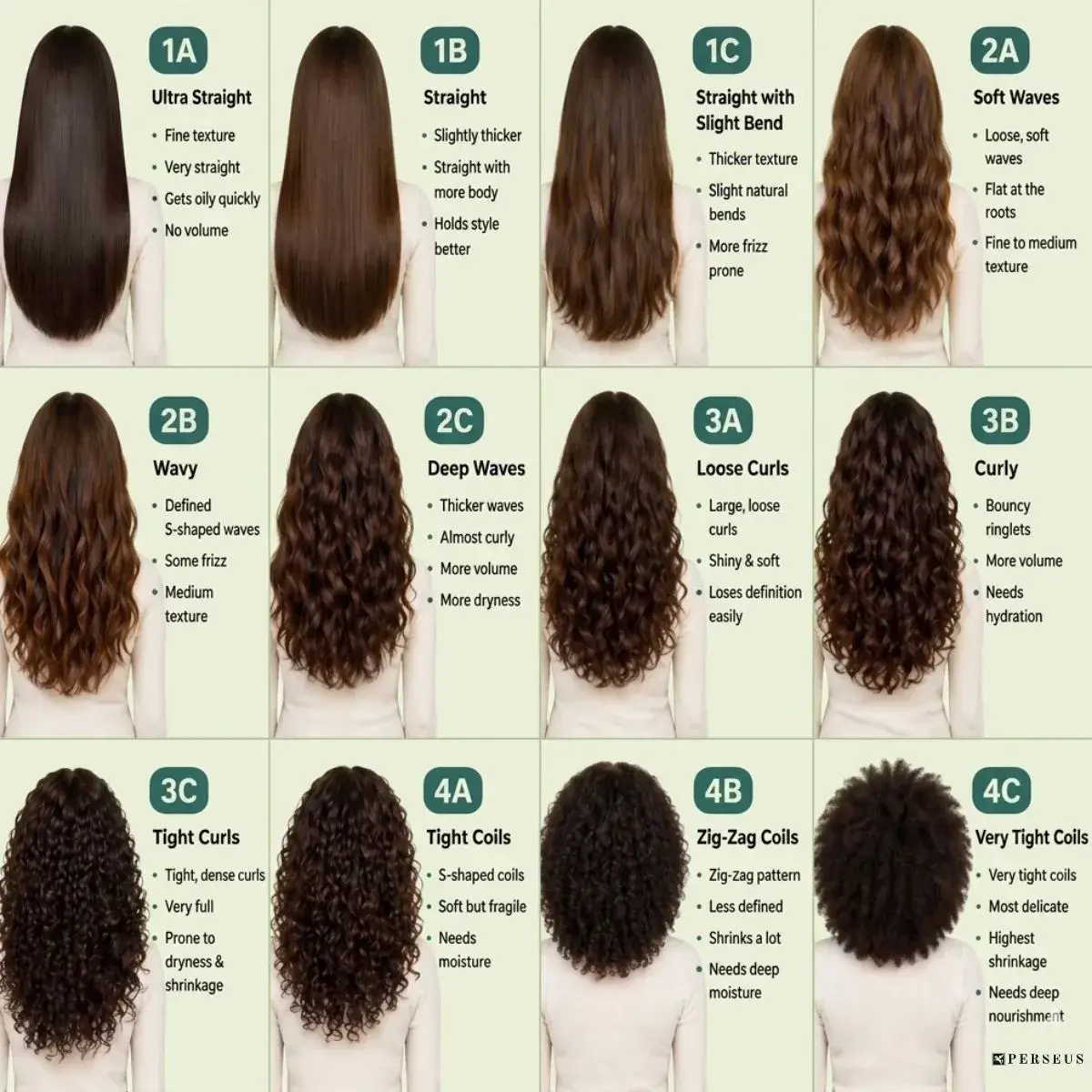
How to Read the Hair Type Chart
To figure out your natural hair type, examine your hair in its natural, unstyled state after letting it air-dry without using any products. Heat styling, chemical treatments, and even the weight of long hair can alter its natural texture; therefore, the results will not be accurate.
A few things worth keeping in mind are:
- Most people fall between two types. Having a mix of 2C and 3A hair, for instance, is totally normal. In that case, focus on the type that is most consistent throughout your hair.
- Your type is not fixed. Hormones, diet, anxiety and even the seasons can alter your curl pattern over time.
- Type alone doesn’t tell everything. As mentioned earlier, hair porosity or density matter in determining which products or daily hair routines will work best for you.
Visual guide to all hair types ranked from 1a to 4c
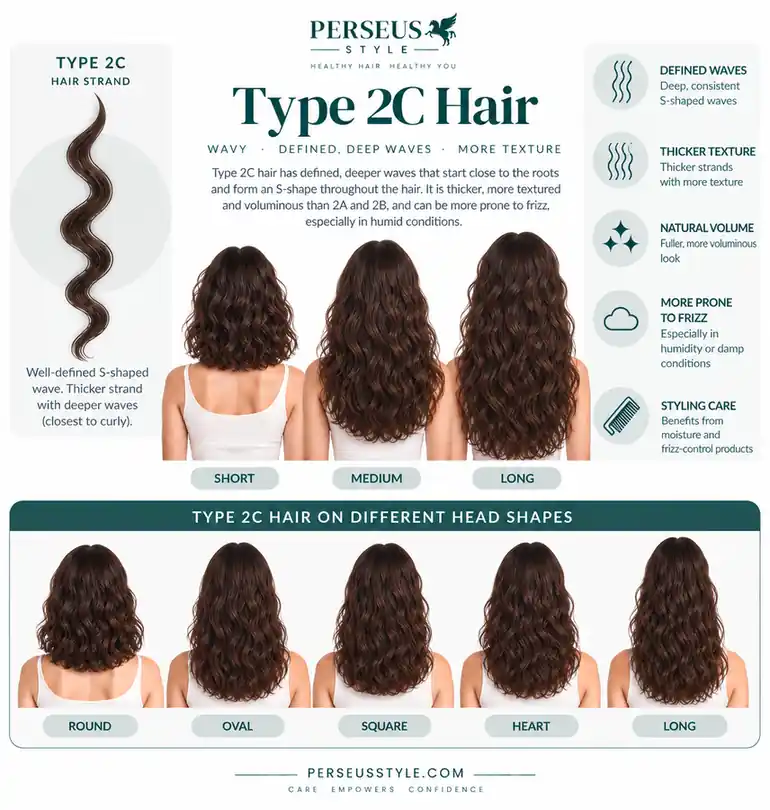
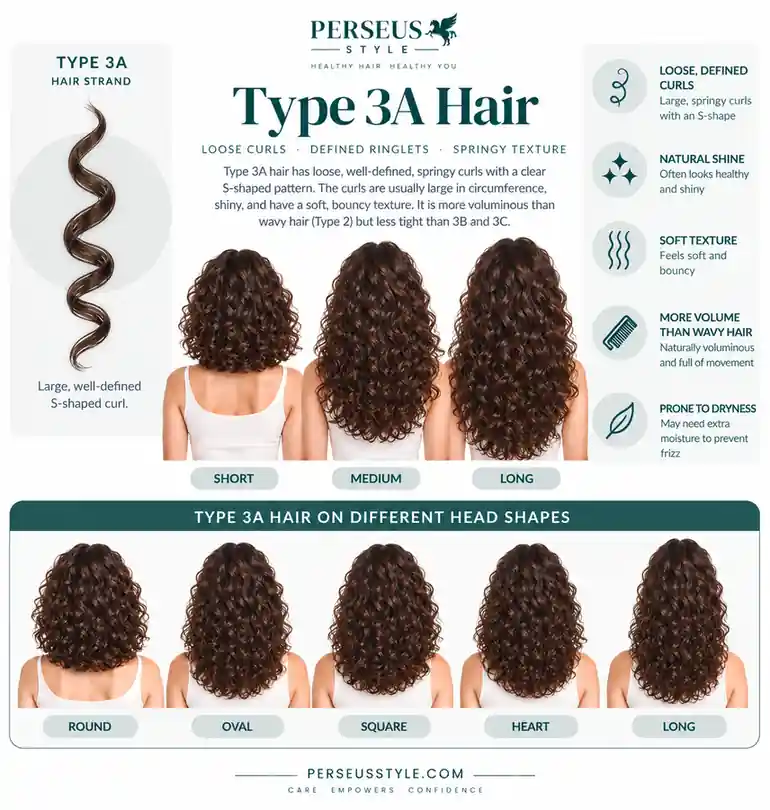
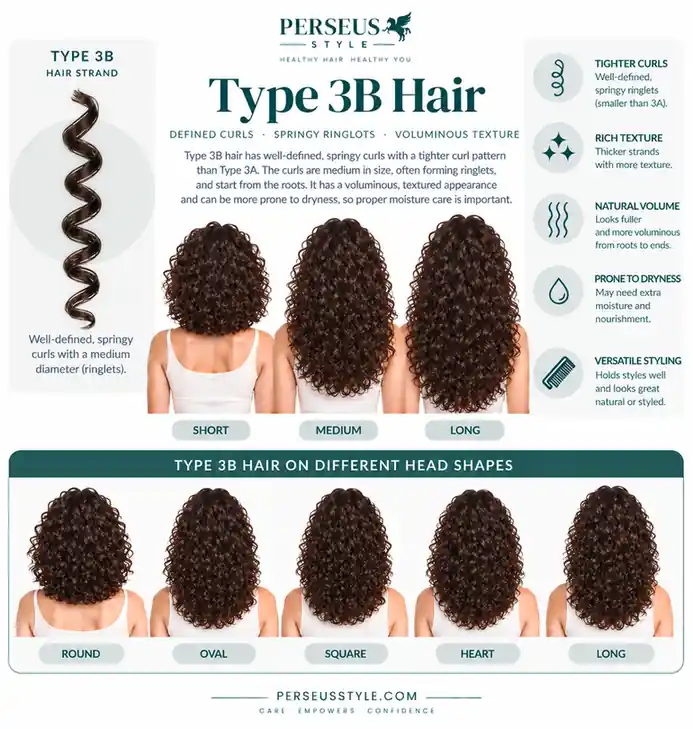
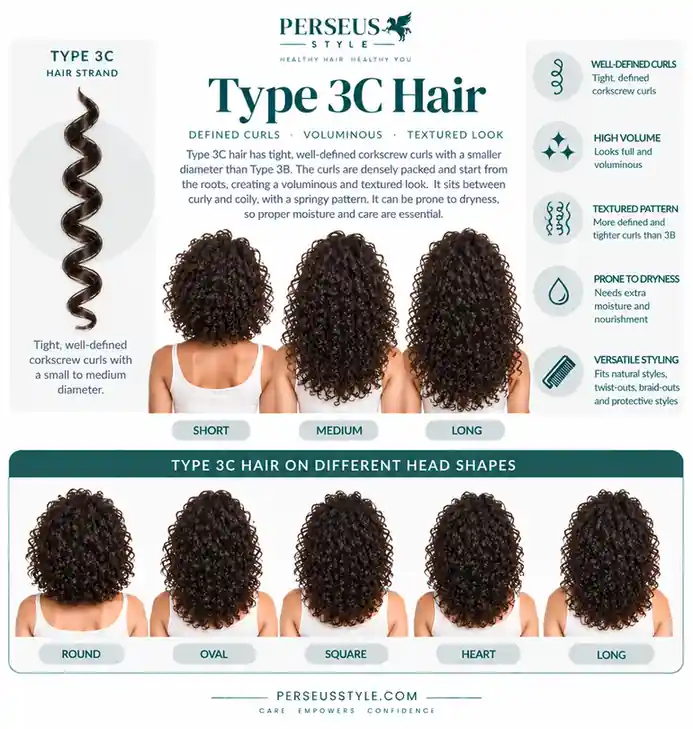
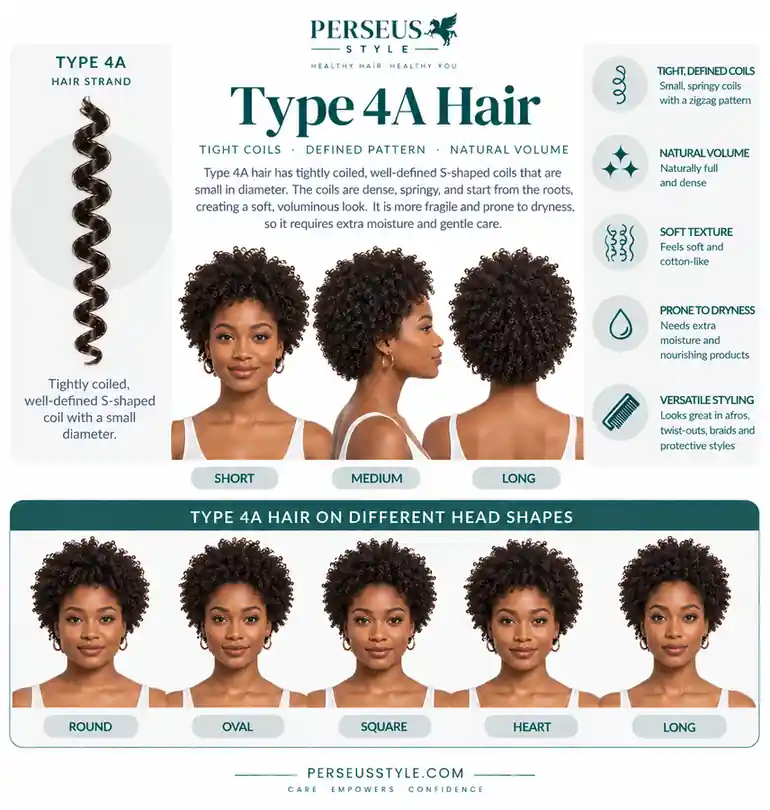
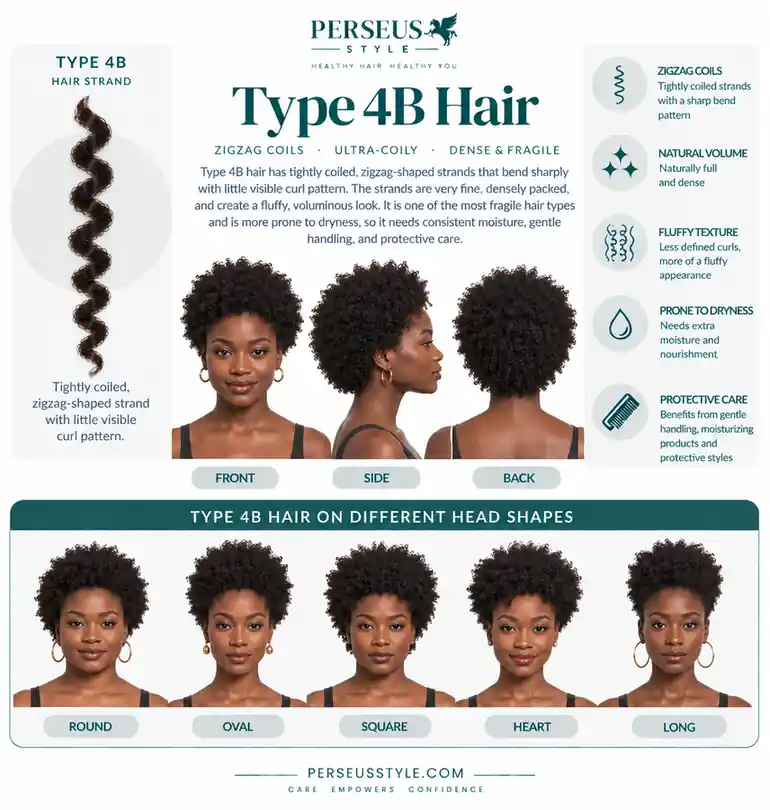
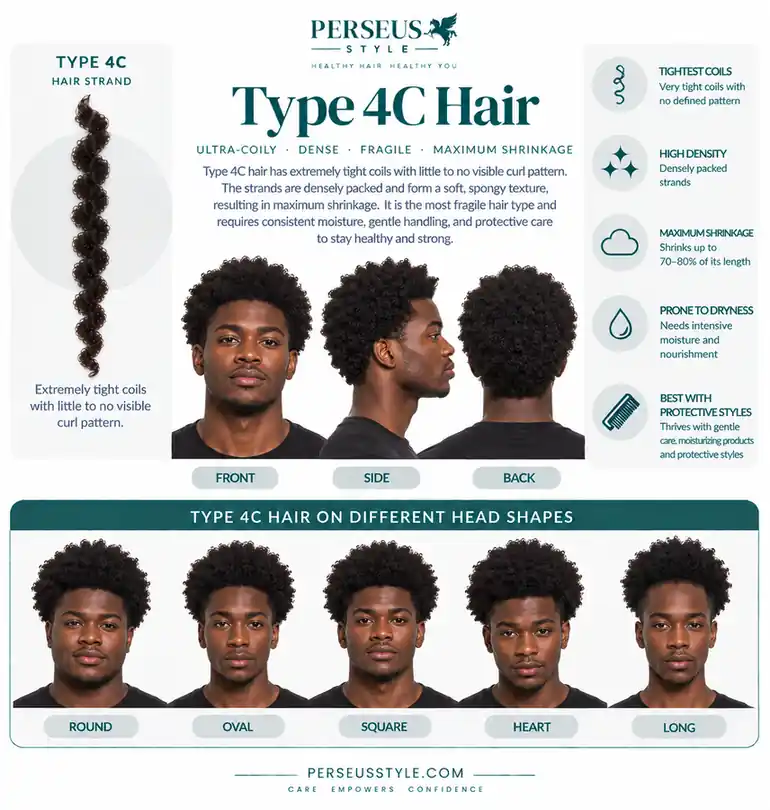
Which natural hair care products should be suitable after hair transplantation?
Hair type, ethnicity, and the content of the shampoo are very influential criteria when using hair treatment products after hair transplantation. For example, the best curly hair products focus on deep moisturisation, while shampoos with mild products are best for straight hair. Hair care items can also be shaped according to ethnicity. African American hair care products are specialised for coily hair. But Korean hair care includes lighter, less oily products for straight, thin and sensitive hair.
After a hair transplant, it is useful to focus on these things in the list below:
Oils; argan, jojoba, shea butter, aloe vera, and other natural oils for hair.
Anti-irritation agents like tea tree oil and peppermint.
Hair growth serums with biotin, keratin, herbal extracts like saw palmentto.
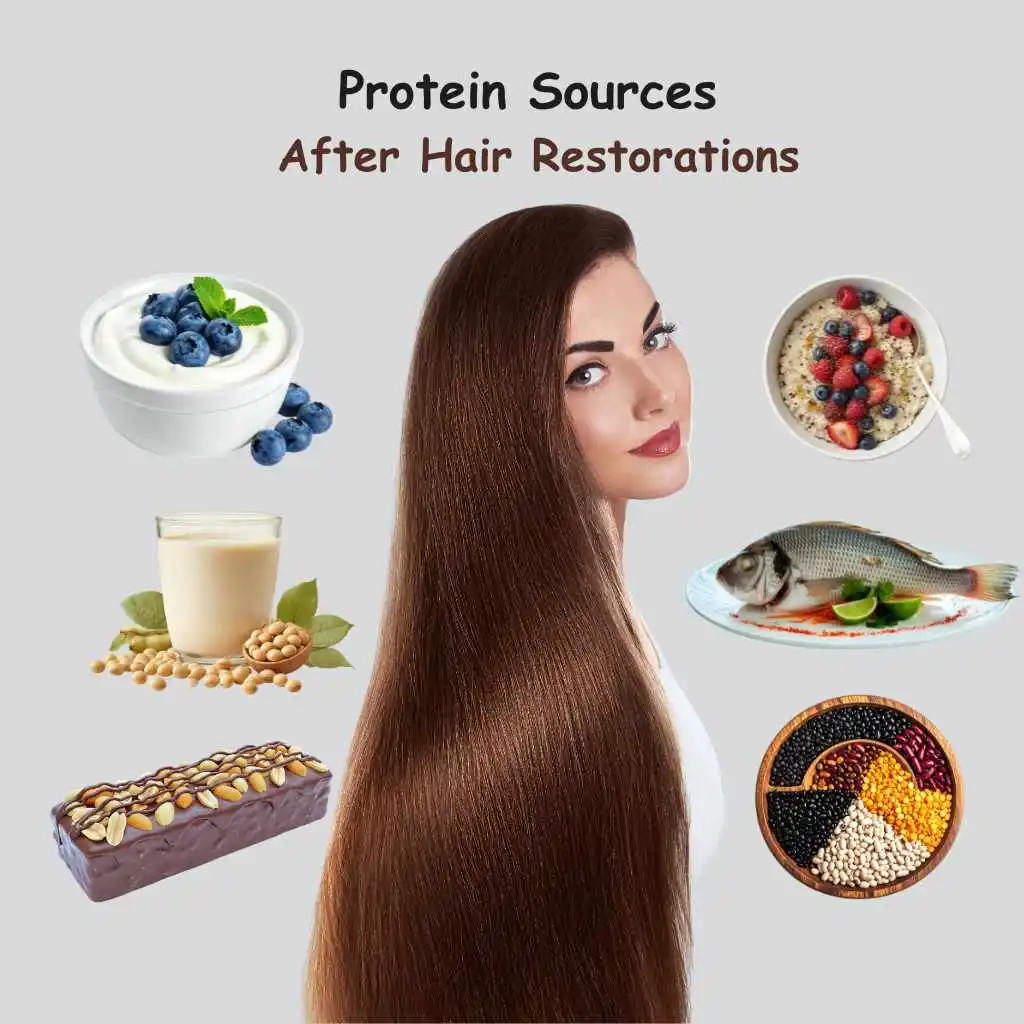
Proteins after hair transplant as natural hair care products
After a hair transplant, it can be a good move to use protein-rich products to help the hair to recover and become stronger. Here are some protein-based products:
- Natural keratin-based shampoos or conditioners: help rebuild the hair structure.
- Eggs are packed with protein: using an egg mask can help to strengthen and nourish your hair.
- Yogurt: it is great for your hair too. You can use it as a hair mask because it contains protein, which helps your hair to grow healthily.
- Soy protein: it is really good for your hair. You’ll find soy protein in some natural haircare products, which help to strengthen and moisturize hair.
- Quinoa protein: it contains essential fatty acids and proteins that nourish the scalp and promote healthy hair.
Best natural hair care products for men
It’s estimated that over 50% of men are affected by androgenetic alopecia (AGA), also known as male pattern baldness. It usually starts in your 30s and spreads all over your head as you get older. It usually starts around the hairline and crown area and then spreads out over time.
It’s not widely known, but men’s hair care products can also cause thinning if they contain chemicals. Indeed, hair care products can also cause alopecia. You use a product every day, but you don’t know what’s in it. Does that sound strange to you?
Choose an anti-dandruff shampoo. Studies have shown that dandruff is more common in men compared to women. For example, shampoos containing tea tree can help you control dandruff. If you are looking for a natural shampoo with a masculine scent, try masculine fragrances containing cedarwood.
Jojoba oil conditioners that mimic scalp oil nourish your hair without clogging your pores. On the other hand, products containing aloe vera are an ideal natural oil for those who want to give their wavy or curly hair a smoother look. In addition, you can use beeswax to add hold and texture while moisturising your hair. Plus, deep-conditioning mask hair care is a key factor for men’s haircare routine.
Best natural hair care products for women
As well as their daily shampoos, professional hair care products are really important for women, as they often have treatments like hair dyeing and styling done at salons. Many women are on the lookout for the best hair care products for dry hair, as often-processed hair tends to be drier. Post-hair transplant hair care sets can help improve hair damage and prevent hair loss.
It’s often the case that women choose products containing chemicals when selecting volumising hair products. Unfortunately, there are few natural ingredients on the market. So, using mesotherapy serums to restore your hair’s moisture balance, choosing a natural shampoo and reducing the use of heat when styling hair can be beneficial.
FAQs about natural hair products
Where can I buy natural hair products online?
You can access natural hair care products from the “Shop tab” of our site. They are designed to have intense moisturising capability for the healing after hair restoration. You can take Perseus mesotherapy product for scalp itching after hair transplantation and provide intense moisturising with perseus oil for dried skin after surgery.
How to make DIY shampoo?
You can make your own shampoo at home with natural oil, natural proteins and plant extracts. However, do not forget that when a company produces shampoo, it passes many tests. Applying an untested mixture to your skin can cause allergic reactions or increase the risk of infection.
What proteins are in vegan shampoos?
Sure. Here are vegan shampoo ingredients instead of protein:
1. Plant-based proteins: Hydrolyzed soy, wheat, rice, quinoa proteins and pea protein.
How can I help achieve balanced sebum distribution?
The biggest advantage and disadvantage for straight hair (Type 1) is sebum distribution. Natural oils in the scalp easily travel down straight strands to the ends. While this nourishes the hair, it can also cause it to look dull and dirty. For natural care, you can use clarifying ingredients to achieve this balance without clogging the pores.
What is the difference between humectants and sealants?
The most common mistake in natural hair care is confusing moisturizing with sealing in moisture.
- Humectants are moisture attractors. Substances such as aloe vera, glycerin, and honey draw moisture from the air into the hair shaft. This is especially critical for moisture-deprived Type 3 and 4 hair.
- Sealants, on the other hand, are locking agents. Heavy oils like shea butter, jojoba, or castor oil prevent the moisture drawn in by humectants from escaping. The “LOC” (Liquid, Oil, Cream) method combines these two groups to provide maximum hydration.
What is shrinkage in coily and kinky textures?ealants?
The greatest challenge for those with Type 4 hair is shrinkage. When wet or dry, hair can appear up to 70% shorter than its actual length. This is not a flaw, but rather an indicator of the hair’s elasticity and health. However, to prevent tangling, it may be necessary to gently stretch the hair and use the right moisturizing oils.
References
- L’Oréal Paris USA. “What Is Coily Hair? Types, Care, and More.” L’Oréal Paris USA, 2026.
- Allure Editors. “The Ultimate Curl Hair Type Guide.” Allure, 2026.
- Curlsmith EU. “Wavy Hair: Types, Care Tips, and Products.” Curlsmith, 2026.
- Haircode – Interactive Hair Diagnostics & Hair Care Analysis.
- Kérastase “Take Care Guide” Kérastase, 2026.
Recommended Reading
✦ Natural Hydration: Aloe Vera Gel After Hair Transplant — Benefits, limits, and safe timing for post-operative scalp hydration and soothing.
✦ Growth Support: Minoxidil After Hair Transplantation — Understanding the role of Minoxidil in post-operative care and how it supports long-term hair density.
✦ Scalp Balance: Understanding Shampoo pH Levels — Easy ways to pick the right balanced shampoo for delicate new hair.

Receive offers, product alerts, styling inspiration and more. By signing up, you agree to our Privacy Policy.
- info@perseusstyle.com