Scalp Buildup: What It Looks Like, Causes & How to Remove It Fast
Written by Perseus Editorial Team
Last Update: August, 2026
What Is Scalp Buildup?
Scalp buildup refers to the accumulation of excess sebum, dead skin cells, sweat, product residue, and minerals on the scalp surface over time. It forms a white waxy, sticky scalp build up that coats hair roots, leaving them greasy, flat, or itchy.
In contrast to temporary oiliness, sebum buildup on the scalp doesn’t wash away easily. It sticks to the scalp and traps bacteria, which can cause inflammation and irritation. You may notice that your scalp feels heavy or your hair appears lifeless even after hair washing.
However, the scabs that form after hair transplantation should not be confused with buildup. If you have had hair transplantation, read on to learn more about the healing stages and changes in your scalp.

Common Signs
- Persistent itching is among the first signs of scalp buildup.
- Waxy or oily roots that feel sticky.
- White flakes that seem attached to the scalp rather than falling freely.
- Build-up can trap bacteria and sweat, causing a noticeable smell.
- Hair that looks flat or greasy shortly after washing.
- White residue under fingernails when scratching the scalp.
- A white, sticky layer from shampoos, conditioners, or styling products.
- It slows down hair growth because it clogs the pores.
These symptoms may overlap with dandruff, but their underlying causes differ.

Scalp Buildup vs. Dandruff: What’s the Difference?
It is difficult to distinguish between scalp buildup and dandruff. Although they look similar, you can tell them apart by some differences:
Feature | Scalp Buildup | Dandruff |
Cause | Product residue, sebum, sweat, hard water minerals | Malassezia fungus, excess oil, inflammation |
Flake Texture | Thick, waxy, stuck to scalp | Fine, dry or oily flakes that shed easily |
Scalp Condition | Feels coated or greasy | Redness, itching, and irritation |
Treatment | Clarifying shampoos, exfoliation | Anti-dandruff shampoos with actives (zinc pyrithione, ketoconazole) |
If you’re not sure whether you have product build-up (dry scalp) or dandruff, observe how your scalp reacts: product build-up usually improves after clarifying, whereas dandruff requires medicated treatment.
Why Does Scalp Buildup Happens?

Excess Sebum Production
Normally, a scalp produces sebum (natural scalp oil) to protect and hydrate the skin. However, hormonal changes during menopause or menstruation, chronic stress, incorrect hair-washing habits can cause overproduction. As a result, it leads to trapped dirt and residue.
Product Residue
Styling products such as wax, dry shampoo, and silicone-based serums are not usually rinsed out completely. Over time, these build up on the scalp and suffocate the hair follicles. Chemical-heavy products such as shampoo and conditioner can also penetrate the skin and clog hair follicles, leading to hair loss and baldness. Looking for a paraben-free, sulfate-free, clarifying shampoo for scalp buildup? Try Perseus’ anti-buildup shampoo!
Dead Skin Cells
If regular exfoliation is not performed, shed skin cells accumulate and form a flaky surface layer when mixed with oil and dirt. Therefore, the best method is to moisturize the skin with an aloe vera gel or similar natural hair oils and then deep clean it with a chemical-free shampoo.

4. Hard Water Minerals
Water rich in calcium and magnesium can leave mineral deposits on the hair and scalp, making it difficult to rinse products out. Also, if you have a sensitive scalp, please avoid using high-pressure water. High-pressure water also accounts for hair loss and damage to the scalp, which leads to scabs and dandruff.
Pollution and Sweat
Carbon dioxide, dust, and sweat cause dirt to accumulate on the scalp. People who live in cities or exercise frequently are particularly prone to this condition.
6. Bad Hair Habits
Washing too frequently can strip away natural oils and cause the scalp to produce excess sebum. On the other hand, washing too infrequently can thicken oil buildup. Finding the right balance is a must.

7. Underlying Scalp Conditions
According to the Medical News Today, skin issues like seborrheic dermatitis, psoriasis, or eczema can worsen buildup & dry skin.
Recommended Product
Perseus Repair Shampoo
Sulfate-free, paraben-free formula designed to remove scalp buildup without stripping natural oils.
How Can You Tell It’s Scalp Buildup?
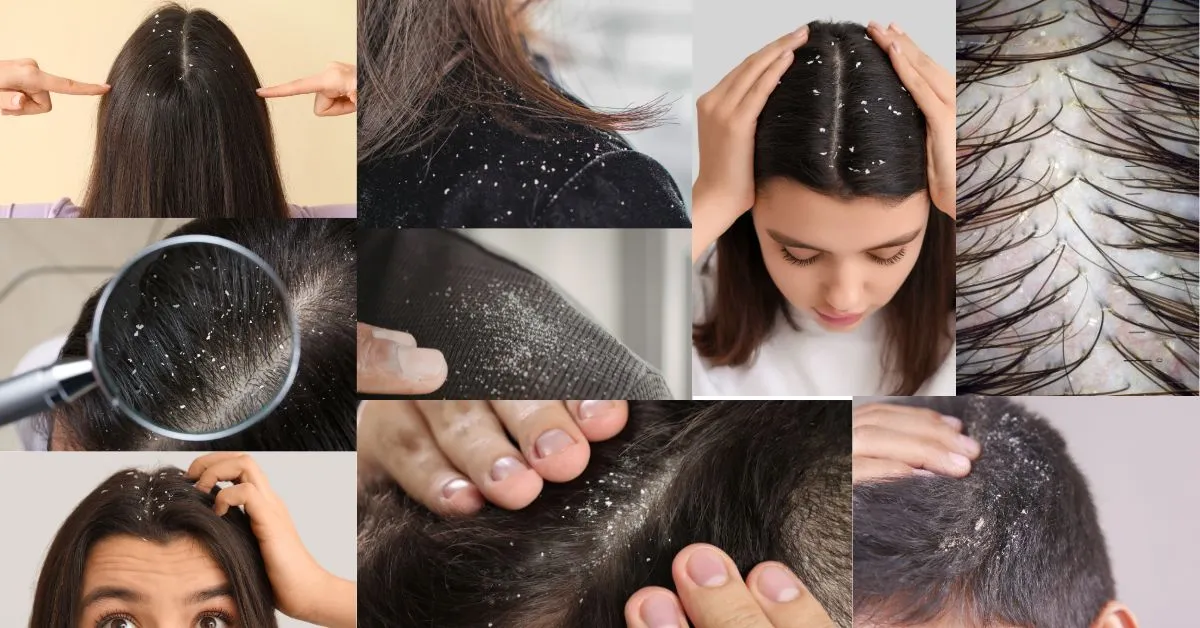
As you can see in our sample photos, head buildup usually appears as a white or yellowish layer covering the scalp. People often confuse dry skin flakes with dandruff. However, they are two very different concepts and have different causes. White waxy buildups on scalp feel oily or waxy to the touch. Some people notice flakes that stick together instead of the light, powdery buildups & flakes associated with dandruff.
You might also notice:
- A dull, heavy feeling after washing.
- Oily roots with dry ends.
- Dry hair that quickly loses volume or freshness.
- Tiny white particles visible on your brush.
If these signs persist, you’re likely dealing with residual buildup, not just oil or dandruff.

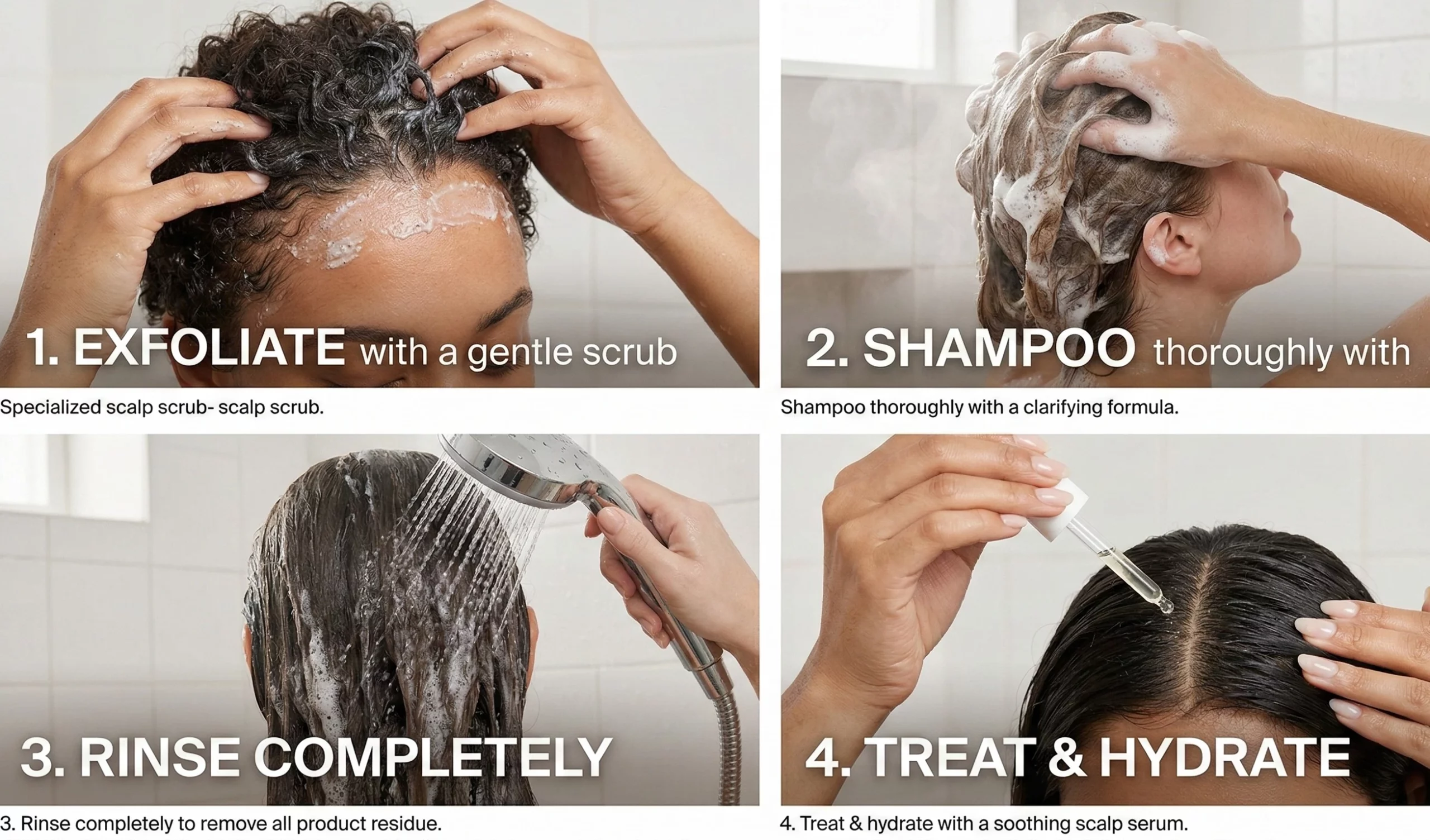
How to Get Rid of Hair Buildup?: 7 expert-approved coping strategies
- Let your scalp rest: Give your scalp a break; take a few days off from using products on it.
- Wash your hair regularly: Washing your hair more than once a day can irritate your scalp and increase sebum levels. Washing it every 4-5 days or less frequently can allow dirt and dust to penetrate your pores. Ideally, you can wash your hair once every 1-3 days using a neutral product.
- Use a clarifying shampoo for buildup: After giving your scalp a detox, use a gentle shampoo for scalp buildup and a hair conditioner that cleanses well. If you are genetically prone to dry skin, use a natural hair oil at regular intervals.
- Gently remove dead skin buildup: A glycolic acid scalp peel containing natural salt granules can exfoliate dead skin cells from your scalp. You can then apply a mesotherapy serum to nourish the skin and promote new, thick hair growth, gently massaging it in with a dermaroller.
- Brush your hair with the right brush: Using very stiff brushes can scratch your scalp, causing further irritation. Excessively soft brushes may not provide adequate cleaning. You can purchase brushes specifically designed for dandruff or buildup.
6. Completely Drying the Scalp: Allowing your hair to air-dry and waiting for only the ends to dry causes the scalp to remain moist for an extended period. A moist and warm scalp creates an ideal environment for fungi like Malassezia and bacteria to thrive, which over time leads to a dandruff-like buildup known as pseudo-buildup. To prevent this, you should first fully dry your strands using a hairdryer on a low heat setting.
When using the hair dryer on your hair, direct the airflow from top to bottom, following the natural growth direction of the hair strands. This method closes the hair cuticles, keeping the hair smooth and making it harder for environmental pollutants to settle between the open cuticles and form a new layer of residue.
7. Repeat these steps regularly: Most people think that being cautious for 1-2 days is enough to get rid of buildup. However, if you turn this care into a lifestyle, you will prevent buildup from forming.
When Residue or Flaking Needs a Dermatologist’s Attention
If you experience:
- Persistent flakes despite clarifying
- Painful pimples or sores
- Foul odor or excessive itching
- Sudden hair shedding
…it’s best to seek professional scalp analysis.

When Hair Products Don’t Rinse Away Completely…
Some hair care products do not wash out easily from the hair and scalp. This is because they contain petroleum derivatives, mineral oils and certain silicones. These substances are insoluble in water.
These sit on the scalp like a thin layer. In other words, they do not mix with the scalp; they just remain on top. Even when washed with regular shampoo, they do not come off, but accumulate on top of each other.
Silicones initially give hair a shiny and smooth feel. However, over time they build up on the hair shaft and scalp. This leads to:
- heavier hair,
- scalp congestion,
- and hair appearing dirtier and duller more quickly.
Why Over-Cleansing Can Make Your Scalp Oilier
Using aggressive surfactants such as sulfates (SLS/SLES) triggers a biological response. It was as if it acted as a defence mechanism. They strip away the acid mantle and essential lipids, which signals the sebaceous glands to become hyper-productive. And finally, a rebound effect occurs, whereby the scalp becomes excessively oily shortly after washing.
As this process continues:
- the scalp becomes oilier,
- sebum and chemical residues accumulate,
- and this build-up increases inflammation and sensitivity.
In summary, over-cleansing the scalp too harshly can cause it to become oilier and more problematic in the long term.
Is air pollution secretly damaging your hair?
The scalp easily traps dirt and toxins circulating in the air throughout the day. Dust, exhaust fumes and fine particles, especially found in city life, combine with the scalp’s sebum.
This dirt + oil mixture:
- builds up on the scalp,
- damages hair roots,
- and can slow down the normal hair growth cycle.
So it’s about this dirt disrupting the normal functioning of the hair roots.
Special ingredients found in some products, known as ‘invisible barriers,’ make it harder for this dirt to stick to the scalp. Even if the scalp is exposed to polluted air, it remains better protected.
Why a Dry or Imbalanced Scalp Traps More Residue
The scalp is home to a complex ecosystem of fungi, bacteria, etc. That’s why, when buildup clogs pores, it creates an anaerobic, nutrient-rich environment that favors the overgrowth of Malassezia. This disruption of the microbiome leads to scalp acne (acneiform lesions of the scalp) and other inflammatory conditions. In order to prevent this, modern treatments utilize hyaluronic-based hydration technologies to deliver sustained hydration without the use of heavy oils, effectively rebalancing the scalp’s natural ecosystem and preventing the formation of dry, flaky debris.
How Hair Texture Changes the Way Buildup Forms
Susceptibility to buildup is significantly influenced by hair morphology.
- Fine Hair: To prevent hair from losing its style quickly, people generally use too many styling products. Instead of staying in the hair, these products settle on the scalp and begin to accumulate there.
- Curly and Coily Hair: The curly structure of the hair makes it difficult for the natural oil produced by the scalp to spread towards the ends of the hair. This oil remains at the roots, hardens over time and forms a build-up that feels like a waxy layer.
The impact of hair brushing on sebum
When a natural bristle brush is used, the natural oils accumulated at the roots are distributed towards the ends of the hair. Thus:
- The roots of your hair are not suffocated by oil,
- the lengths of your hair are naturally moisturised,
- and blockages in the scalp are reduced.
Furthermore, mildly acidic substances such as apple cider vinegar help dissolve limescale and product residue left in the hair. These residues from hard water do not come out with normal washing, but an acidic rinse softens and disperses them.
2-Hour Simple Scalp Test
This test helps you determine whether your scalp is truly oily or if it just feels oily due to product residue.
How to do it?
- Wash your hair with only a sulphate-free, basic shampoo.
- Do not apply any conditioner, oil, serum or styling products.
- Let your hair dry naturally.
- Once dry, wait exactly 2 hours.
- Take a clean napkin in your hand.
- Press the napkin onto the crown of your head, hairline, and behind your ears.
Results
- If the napkin is noticeably greasy:
👉 Your scalp is producing too much oil.
This could be genetic or hormonal. In this case, you can take steps such as using oil-balancing ingredients and avoiding very harsh shampoos.
2. However, if the napkin remains dry but your scalp still feels oily:
👉 The problem is not oil, but product residue.
In other words, silicone, wax, and cream residues have remained on your scalp. In this case, a good detox cleanse is required.
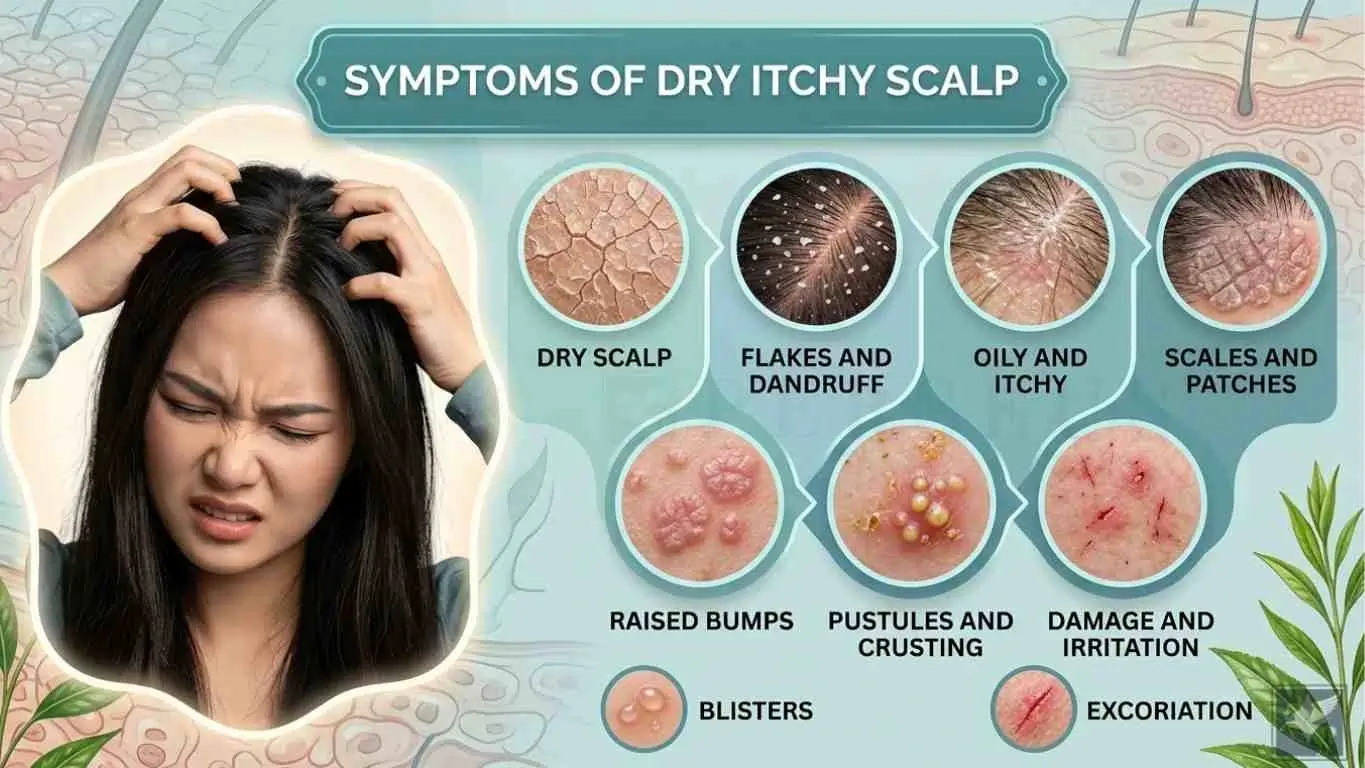
Scalp build up images


FAQs
What underlying health issues cause scalp dryness and flakes?
Many different factors can cause dry skin and scalp.
For example, these are examples of underlying medical conditions:
- atopic dermatitis,
- contact dermatitis,
- and scalp psoriasis
In addition, certain lifestyle mistakes can also trigger dry skin. Examples include dehydration, using harsh care products, taking long, hot showers, and alcohol and cigarettes.
Is It Okay to Scratch Scalp Buildup?
It won’t work. There is a risk of increasing inflammation by further irritating the area. In addition, small wounds can lead to infection, and minor bleeding can dry on the scalp and clog hair growth channels. After softening your skin, you should proceed to clean it.
Why Do I Get White Stuff Under My Nails When I Scratch My Scalp?
A combination of sebum, dead skin cells, and product residue. If you scratch your head and find white flakes on your hands, this is a sign of buildup and you need to take action. Avoid scratching more.
Do Buildups Cause Baldness in the Long Term?
Yes. Flakes, dry skin, and buildups that are not treated for a long time block hair follicles.
What is a severe type of dandruff characterized by an accumulation of greasy or waxy scalp scales mixed with sebum?
The medical term for this condition is seborrheic dermatitis.
This is different from normal dandruff, which is dry and white. This is yellow, greasy and sticky. It becomes a waxy consistency because of a build-up of skin oil and dead skin cells. It makes the scalp red, itchy and sometimes there is a layer of skin that looks inflamed.
Why does my scalp produce so much gunk?
If you notice a sticky white substance on your scalp after the 3-month period, don’t panic; this does not necessarily mean an infection. This is usually a dense buildup on the scalp caused by the sebaceous glands working overtime after the trauma of surgery. If it is not temporary, you can seek help from a dermatologist.
I found some orange, hard kernels on my scalp. Is this normal?
Those hard sebum plugs on scalp which often look like tiny, waxy orange seeds are actually oxidized oil that has hardened inside the pore. If you see this orange stuff on scalp, it’s simply a sign that your follicles are active. However, these are also signs that new hair growth requires time.
References
- American Academy of Dermatology Association. Dandruff: Causes, Symptoms, and Treatment Guidelines. Updated 2024.
- Cleveland Clinic Department of Dermatology. Scalp Build-Up: Pathophysiology, Clinical Presentation, and Management Strategies. 2024.
- Healthline Medical Review Board. Understanding Scalp Buildup: Dermatological Insights and Evidence-Based Care. Reviewed by Cynthia Cobb, DNP, APRN, 2024.
- Medical News Today Editorial Team. Seborrheic Dermatitis and Dandruff: Comparative Overview and Therapeutic Approaches. Reviewed by Stacy Sampson, DO, 2023.
- Journal of Cosmetic Dermatology. The Role of Sebum Secretion and Microbial Flora in Scalp Barrier Function and Inflammation. NCBI, 2022.
- National Institutes of Health. The Effects of Hard Water Minerals on Hair and Scalp Health: A Review of Dermatologic Evidence. 2021.
- Verywell Health Medical Review. Scalp Exfoliation and Barrier Maintenance in Dermatological Care. Reviewed by Heather Brannon, MD, 2024.
- International Journal of Trichology. Correlation Between Sebum Overproduction, Product Residue, and Scalp Disorders. 2023.
- Journal of Clinical and Aesthetic Dermatology. Clinical Evaluation of Clarifying Shampoos in Reducing Product-Induced Scalp Occlusion. 2022.
- British Journal of Dermatology. Inflammatory Mechanisms Underlying Chronic Scalp Conditions and Effective Topical Interventions. 2023.
Recommended Reading
✦ Contact Us — Get in touch with our team for questions, support, and expert guidance.
✦ Guide to Natural Hair Care by Hair Type — Discover how to care for your specific hair texture naturally and effectively.
✦ Paraben-Free Shampoo After Hair Transplant — Learn why sulfate- and paraben-free formulas are essential for recovery.


Receive offers, product alerts, styling inspiration and more. By signing up, you agree to our Privacy Policy.
- info@perseusstyle.com