Does Ozempic Cause Hair Loss? GLP-1 and Shedding Connection
Written by Perseus Editorial Team
Last updated: August 2026
Ozempic (semaglutide/GLP-1) made a big splash in 2026, helping many famous actors, artists, and influencers lose weight. Although originally developed to help control blood sugar levels, they are now widely used as part of strategies for managing weight. But these days, concerns about its side effects are growing. Terms like ozempic face and ozempic hair loss have begun to emerge. Below, we’ve compiled the results of academic research on the link between Ozempic and hair loss.
Is hair loss a side effect of Ozempic?
Many people experience hair loss while losing weight. The reasons for this include changes in dietary habits, medications, and rapid physical changes. So, it’s not easy to determine whether Ozempic causes hair loss.
When Ozempic was first tested, scientists didn’t really notice hair loss as a major problem.
But later, they tested Wegovy, which is the exact same medicine, just a stronger dose. In those tests, about 3 out of every 100 adults noticed their hair thinning out, compared to only 1 out of 100 people who weren’t even taking the real drug.
And for the people who ended up losing a massive amount of weight (more than 20% of their total body weight) that number jumped. Out of those big weight losers, about 5 out of every 100 people experienced hair loss.
What do doctors think about Ozempic and hair loss in 2026?
As of 2026, doctors don’t think Ozempic itself is toxic or directly attacking your hair. Instead, they see the hair loss as a temporary side effect of how fast your body is changing. When you lose weight really quickly, your body goes into a bit of a shock mode, and it temporarily shifts its energy away from growing hair to handle the rapid changes.
Researchers have found no evidence that Ozempic or similar medications cause permanent hair follicle damage.
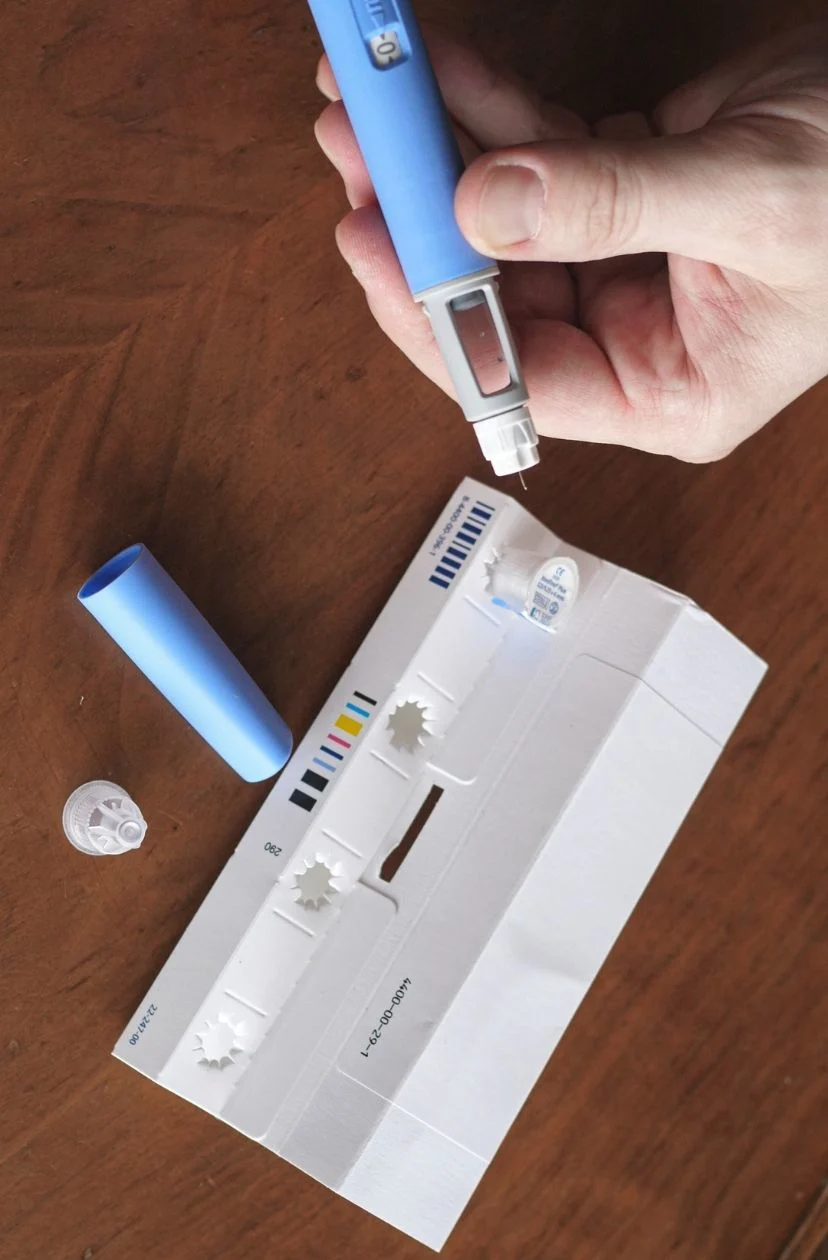
A 2025 study backed this up by comparing semaglutide (the drug in Ozempic) to an older weight loss medication called bupropion-naltrexone. They found that hair loss was more common with semaglutide, and it hit women more often than men. Because semaglutide causes much faster weight loss than the older drug, the researchers concluded that how fast the pound drop is what actually triggers the hair thinning, rather than the specific chemical in the injection.
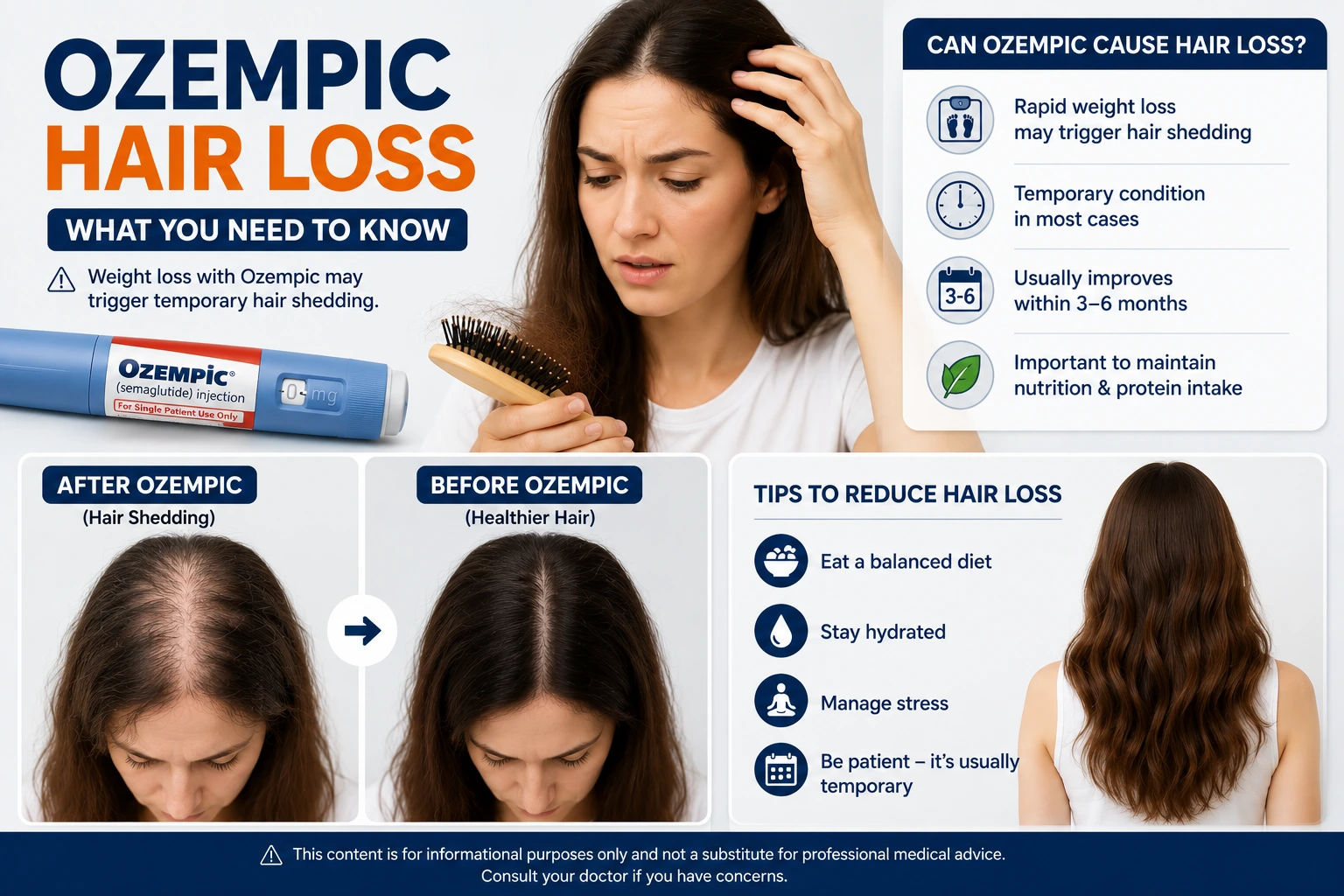
Can Ozempic Cause Hair Loss?
The possible triggers of hair loss from Ozempic are as follows:
- Rapid weight loss may trigger hair shedding
- Temporary condition in most cases
- Usually improves within 3 to 6 months
- Important to maintain nutrition & protein intake
To reduce hair loss caused by Ozempic, you can take the following steps: eat a balanced diet, drink plenty of water, try to manage your stress, and be patient; because this condition is usually temporary.
Why Does Ozempic Trigger Hair Shedding?
When people lose hair while taking Ozempic, they are usually dealing with a condition called telogen effluvium. This is just a medical term for temporary, widespread hair shedding triggered by physical stress on the body.
When your body goes through sudden metabolic stress, it panics a little. To save energy for your vital organs, it pulls resources away from non-essential things like hair growth. As a result, your body suddenly shocks a huge number of your active hair follicles and forces them into the resting phase (known as telogen phase) all at the exact same time.
Because the resting phase lasts a few months before the hair actually falls out, you won’t notice the shedding right away. The widespread thinning usually starts about 2 to 4 months after the rapid weight loss begins.
The good news is that once your weight stabilizes and your body adjusts to its new normal, the cycle resets, and the hair gradually starts growing back.
Reasons why people using Ozempic suffer from temporary hair loss
Key triggers of hair thinning while using Ozempic:
Your body panics from the fast weight loss.
To conserve energy for your heart, lungs, and brain, your body shuts down hair growth.
Your hormones and metabolism are shifting.
The med mimics a gut hormone to change your digestion. That rapid shift, plus the hormonal stress of losing weight, shocks your system and knocks your hair growth cycle totally out of whack.
The hair isn't getting enough nutrients.
Because the med wipes out your appetite, you eat way less and miss out on key nutrients (like iron, zinc, Vitamin D, Vitamin B12, and ferritin..). Hair is made of protein, so without enough of it, your body can’t build new strands. Plus, eating so little makes you low on vital hair fuel like iron, zinc, and vitamins.
Who Is Most at Risk of Hair Loss on Ozempic?
Not everyone who uses semaglutide will experience noticeable hair thinning. According to estimates by endocrinologists, approximately 25% to 33% of people who use Ozempic experience some degree of hair loss.
Factors such as these increase the risk of Ozempic causing hair loss:
- Dropping weight too fast (more than 1 to 2 pounds a week)
- Skimping on protein
- Being female with low iron
- Those with genetic hair thinning
How to Stop Ozempic Hair Loss?
Losing weight on meds like Ozempic or Mounjaro feels great, but noticing your hair thinning out can be really unsettling. Your hair will usually start bouncing back naturally within 3 to 6 months once your weight stabilizes, but you can speed up the recovery with these simple steps:

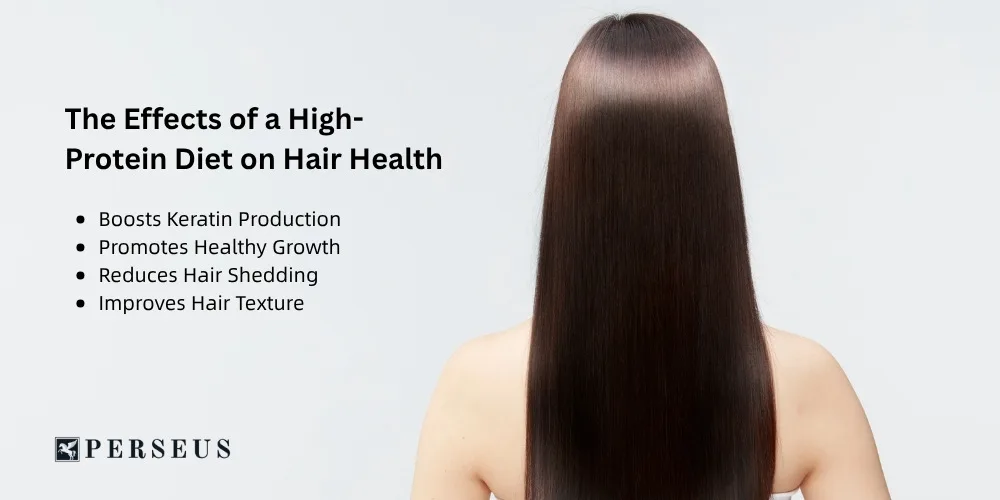
1. Feed Your Hair (Prioritize Protein).
Because these medications suppress your appetite, you end up eating much less. However, hair is made up almost entirely of protein.
If you don’t get enough protein, your body physically cannot produce new strands of hair. Include protein-rich foods such as eggs, lean meat, Greek yogurt, or lentils in every meal.
2. Check Your Vitamin Levels.
Eating so little makes it easy to run low on vital hair fuel. Ask your doctor to check your iron (ferritin), Vitamin D, zinc, and B12 levels.
If you are low, targeted supplements will help, just remember that vitamins can’t make up for a lack of protein!

Get $20 discount code
Want to fight hair loss and get thicker hair? Perseus Hair Vitamins are packed with a powerful blend of biotin, ginseng, and zinc designed to revitalize your roots. Click get code to grab your discount
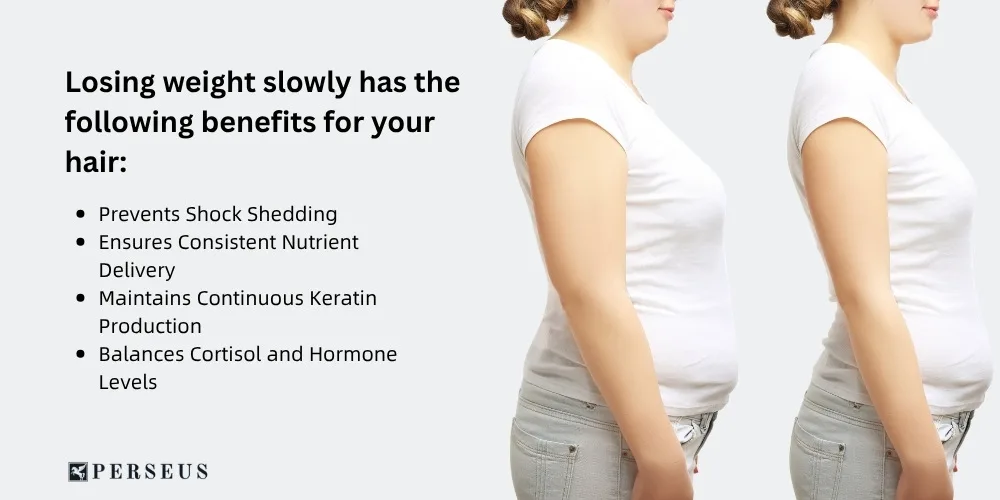
3. Slow Down Your Weight Loss.
Rapid weight loss can slow down hair growth. Losing weight at a steady pace over the long term reduces your risk of both Ozempic face and Ozempic alopecia.
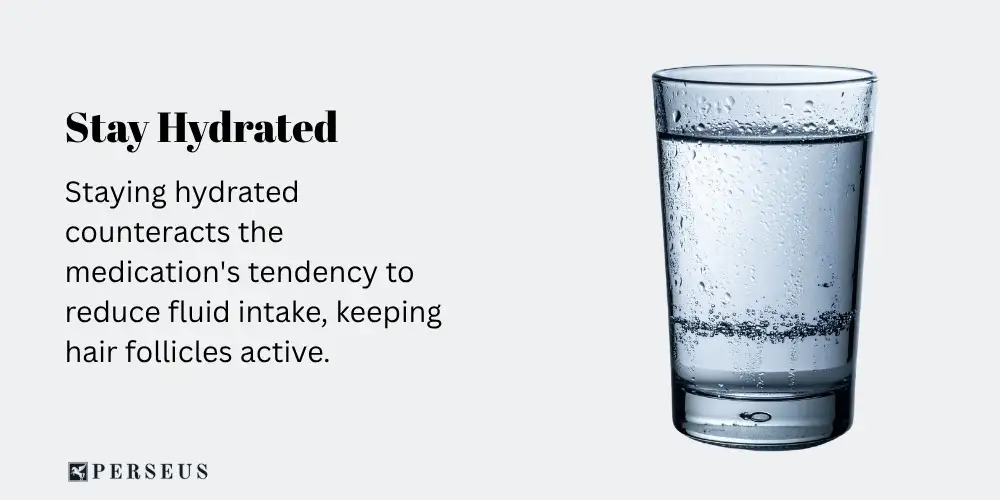
4. Don’t get dehydrated.
Dehydration is a super common side effect of these medications, and dry, dehydrated hair follicles can’t grow healthy hair.
5. Wake Up Your Roots from the Outside
Since the rapid weight loss forces too many hairs into an early resting phase all at once, you can use targeted topical products to help wake those roots back up. Instead of waiting it out, you can give your scalp a direct boost with a specialized care routine:
- Perseus Shampoo: Gently cleanses the scalp while delivering nutrients right to the roots, helping to reduce daily shedding and support new growth.
- Perseus Hair Oil Serum Complex: Deeply nourishes the hair and boosts scalp circulation, working from the outside in to make your hair look visibly thicker.
- Perseus Mesotherapy Set: A powerful, deeply targeting treatment designed to wake up sleepy hair follicles, pushing them back into the active growth phase and strengthening the hair right at the root.
By bringing together support from both inside and outside, you can rebalance your hair’s cycle and help it grow back thicker.
Will Hair Grow Back If Ozempic Causes Hair Loss?
This type of shedding doesn’t cause any permanent damage or scarring on your scalp. Once you get the weight loss stress and nutrition under control, your follicles wake right back up and start growing new hair. It usually takes about 6 to 12 months after the heaviest shedding stops to see a noticeable difference. While that timeline feels like a long wait, the hair almost always comes back.
The only exception is if the sudden shedding triggers or uncovers genetic hair thinning that was already starting in the background. If that happens, the temporary shedding might stop, but you’ll still notice the genetic thinning. If you’re not sure which one you have, a quick visit to a dermatologist for a hair check can clear it right up.
FAQs about whether Ozempic Causes Hair Loss
How long does Ozempic hair loss last?
Shedding typically begins 2 to 4 months after starting treatment or experiencing significant weight loss, peaks over the following 1 to 3 months, and gradually resolves within 6 to 9 months. Full visible regrowth may take up to 12 months.
Will my hair grow back if I stop taking Ozempic?
Hair usually grows back whether you continue or stop the medication, as long as your weight stabilizes and nutritional needs are met. Stopping Ozempic without medical guidance is not recommended, so please speak to your doctor before making any changes to your treatment.
Does Ozempic cause hair loss in women more than men?
Current evidence suggests women are more affected than men, partly due to higher rates of pre-existing iron deficiency. Women with a history of postpartum hair loss or thyroid-related shedding may be more susceptible.
What vitamins help with Ozempic hair loss?
Ferritin (iron stores), Vitamin D, zinc, and B12 are the most clinically relevant. Biotin supplementation is frequently marketed for hair health but provides no benefit unless a confirmed biotin deficiency is present. Get blood levels checked before supplementing.
References
- Gupta AK, Teasell EM, Economopoulos V, Mirmirani P. GLP-1 therapies and hair loss: A systematic review of current evidence and implications for counseling. Sci Prog. 2026;109(2):368504261444578.
- George J. Hair loss may be a side effect of popular weight loss drugs like Ozempic, study finds. Healthline. Published January 13, 2025. Accessed June 25, 2026.
- Sodhi M, Rezaeianzadeh R, Kezouh A, Frey C, Etminan M. Risk of hair loss with semaglutide for weight loss. medRxiv. Preprint posted online March 8, 2025.
- Christensen J. Hair loss with GLP-1 drugs like Ozempic and Wegovy: What to know about telogen effluvium. CNN. Published November 14, 2025. Accessed June 25, 2026.
- Kang DH, Kwon SH, Sim WY, Lew BL. Telogen Effluvium Associated With Weight Loss: A Single Center Retrospective Study. Ann Dermatol. 2024;36(6):384-388.
Related Articles
Hair Botox: Costs & What to Expect
How much does hair botox actually cost, and how long does it take to see results? Here is the breakdown.
Using Exosomes After a Hair Transplant
Want to speed up your recovery? Here is how exosome therapy helps your new hair grow back faster and stronger.
Does Your Shampoo’s pH Level Matter?
The wrong pH can dry out your scalp and cause serious damage. Find out how to pick the right one for your hair.


Receive offers, product alerts, styling inspiration and more. By signing up, you agree to our Privacy Policy.
- info@perseusstyle.com