Best Hairstyles for Hair Transplant Patients: Men & Women Guide (2026)
What are the best hairstyles for hair transplant patients? The best hairstyles after a hair transplant depend on your recovery stage, not your personal preference. In the first three months, low-maintenance styles that avoid tension and heat are essential. From month six onward, patients can begin exploring more expressive cuts. For the first time in years, post-hair transplant haircuts that were impossible with a receding hairline become available again.
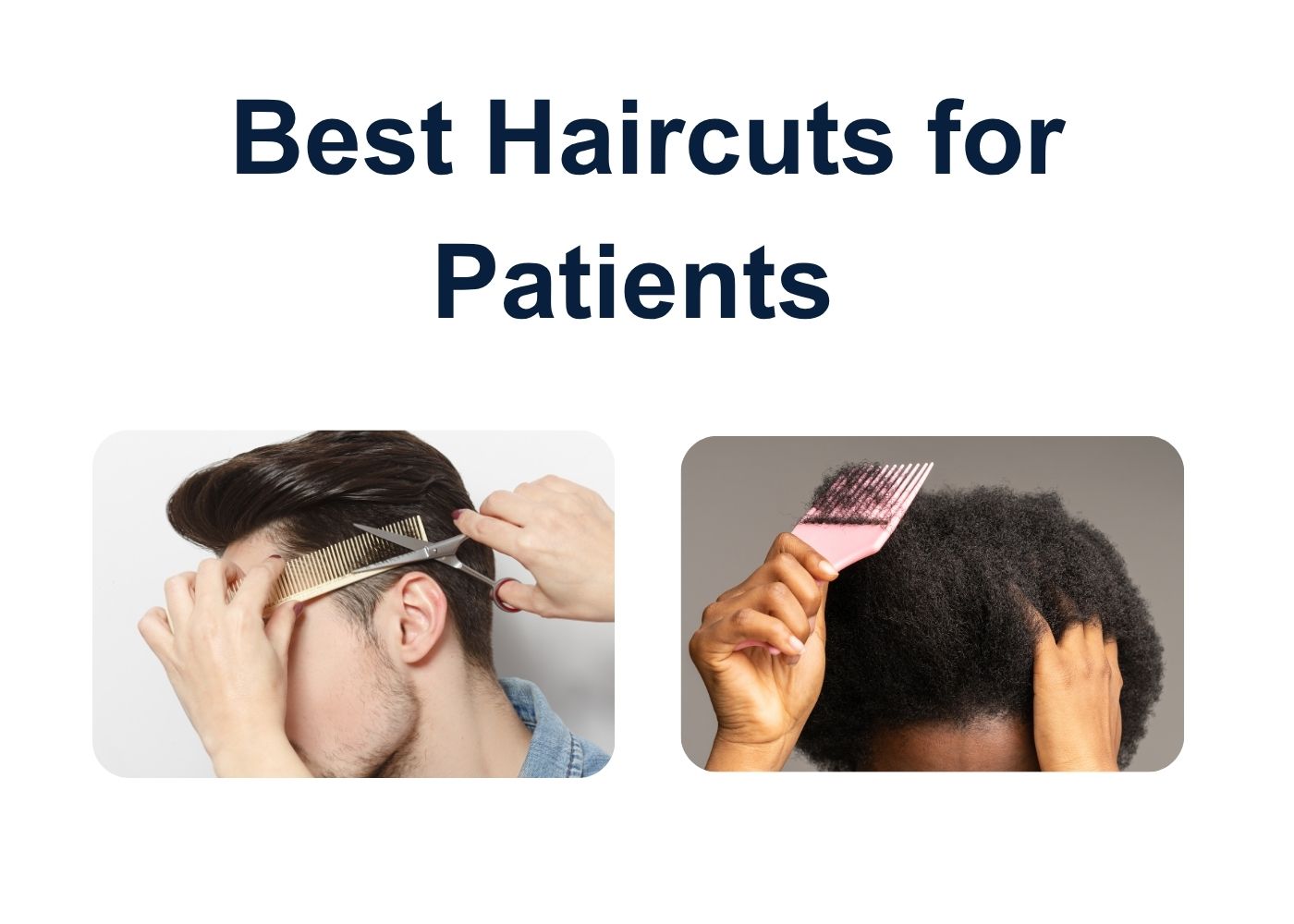
Why Your Hairstyle Choice Matters After a Transplant
Most guides focus on which hairstyles after hair transplant surgeries look good. Almost none of them ask the more important question: which haircuts are safe at which stage of hair restoration recovery? We’ll start by answering that.
Hair transplant grafts are not fully anchored until around month 3 or so. The follicle is still establishing its blood supply, and any friction, tension, or heat applied directly to the scalp can disrupt that process. The best hairstyles that look great at month 2 can cause miniaturization in newly transplanted follicles. These may factors triggering this situation:
- the styling method involves aggressive combing,
- tight elastic bands,
- a blow dryer held too close to the scalp.
Another topic that is rarely mentioned in articles is the donor area. After FUE transplant surgeries, thousands of incisions are made in the back and sides of the scalp. The hair remaining in this area is temporarily more fragile than it was before the surgery. It takes time for it to heal, and in patients who have experienced overharvesting, there may even be significant thinning in this area. Hairstyles that require the donor area to be cut short (such as layered cuts or tight undercuts) should be postponed until at least the fourth month, when the donor scalp has fully healed.
When Can You Style Your Hair after a Hair Transplant Procedure?
| Stage | What’s Safe |
|---|---|
| Days 1–10 | No styling. Grafts are anchoring. |
| Weeks 2–4 | Gentle air drying only. No combing transplanted area. |
| Months 1–3 | Soft styles, no tension, no heat tools. |
| Months 3–6 | First haircut possible. Scissor cuts only, no razor on recipient area. |
| Months 6–12 | Most styles available. Avoid tight braids and high-heat tools. |
| Month 12+ | Full styling freedom. |
You might find this interesting
To view the entire hair transplant process in a single chart and examine patient photos showing the results of the hair transplant and the recovery process month by month, please read our article titled Hair Transplant Chronology.
Hair Transplant Chronology →Best Hairstyles for Men After Hair Transplant
1. The Crew Cut: The Best Hairstyle for Hair Transplant Patients After Month 3
The crew cut has always been the best hairstyles for hair transplant patients, and for good reason. With short sides and a slightly longer top, this cut creates a clean and neat look. It hides any unevenness in hair density during the recovery’s regrowth phase. It also puts the least pressure on the hair follicles; there’s no need for tight combing, pulling, or heavy styling products.
Why is it on the list of the best hairstyles for hair transplant patients?
This is because there is no uniform length in this hairstyle. A uniform length indicates a noticeable discrepancy between areas that grow at different rates. This can be a problem, especially for male patients who have undergone treatment for a receding hairline.
Styling tip
Use a light post-surgery styling cream instead of wax or gel. Heavy products can clog hair follicles during the healing process.
2. The Textured Quiff Is Among the Best Hairstyles for Hair Transplant Patients Starting at 6 Months
The quiff (hair swept upward at the front with natural movement) is one of the most popular post-transplant haircuts. Celebrities including Justin Timberlake and David Beckham have worn variations of this hair style. For transplant patients, it has the added advantage of working directly with the new hairline rather than around it.
As the sides of your hair become thicker, you can achieve a much more masculine and attractive look with this hairstyle. You can try this hairstyle at least 6 months after your hair transplant procedure.
Why is it one of the top choices among the best hairstyles for hair transplant patients?
Most men who have had hair transplants experienced hair loss and thinning along the hairline at a young age. For years, they have longed for a full head of hair. This look gives them the full-haired appearance they’ve wanted for years. Plus, it can make you look much younger than you actually are. On top of that, it’s generally one of the hairstyles women find most attractive on men.
3. You can get a fade haircut once the donor area heals
The fade, a favorite men’s hairstyle among Gen Z, is a popular choice for many patients after hair transplantation. While there is almost no hair in the donor area, the hair on top becomes progressively thicker and longer. Once the donor area has healed, you can opt for this style because it’s easy to maintain and fits perfectly into your hair transplant recovery schedule. You don’t need to shave the top. Just let it grow out on its own.
Who is it suitable for?
This procedure is suitable for patients who have had a hair transplant at least 4 months ago and have been given permission by their doctor to cut their hair. While the donor area is being shaved, the transplanted area is not touched.
How can I style this hair?
Before the treatment, wash your hair with Perseus shampoo, then condition it with Perseus foam. Get a haircut while your hair is still slightly damp. After the treatment, moisturize thoroughly with the mesotherapy set, and you can wash your hair again a few hours later.
4. The Slicked-Back Look is the Best From Month 9
For many men, the slicked-back style is a look that becomes truly achievable for the first time after a hair transplant. A receding hairline makes slicked-back hair look thin and exposed. However, thanks to a restored hairline and high hair density, it completely changes the look.
What makes it one of the best hairstyles after hair transplant?
It makes hair look thick and long. However, it requires length and density to look its best. Both are achieved by the transplant by months nine to twelve.
How do you style slicked-back hair after transplant?
You can use a water-based pomade instead of an oil-based one. Oil-based products are heavier and can hinder scalp breathability during the later stages of recovery.
5. A year later, The Pompadour
The Pompadour is a hairstyle where the hair is combed back from the front and teased to create volume. It has been popular from the 1950s to the present day. Among post-hair transplant hairstyles, it is the most striking and also the most satisfying. The Pompadour is the hairstyle often seen on TV shows, worn by modern, happy family men. This style requires volume, length, and a well-defined hairline. Hair transplant patients who have passed the twelve-month mark and reached a good density often find that the Pompadour is a style they can try. This voluminous style, once impossible, is now quite achievable with your thick hair.
What makes it one of the best hairstyles after hair transplant?
Actually, this is a hairstyle you can achieve once you’ve fully recovered from your hair transplant. Your hair should be fully grown in and thickened. You can typically achieve this look more than a year (and on average, about 1.5 years) after your hair transplant.
Can I use gel or heavy-duty sprays for my hair?
Once the healing process is complete, you can use whatever you like. However, if you want to take precautions to avoid further hair loss, you may want to look into post-transplant gels.
Best Hairstyles for Women After Hair Transplant
Women who undergo hair transplants typically face different challenges than men, such as diffuse hair thinning, traction alopecia, or hairline improvement. Therefore, the best hairstyles after hair transplant for women require much more careful consideration. The goal is generally to add volume and density to the hair during the growth phase while avoiding hairstyles that could put strain on the follicles during the healing.
1. Shoulder-Length Layers
In hair transplants, the front heals more slowly while the back heals quickly. This hairstyle also aligns with that healing pace. The front is kept short, while the back is left long. It’s also more tousled rather than a blunt cut. Therefore, it’s an ideal hairstyle for the healing process, provided at least six months have passed since your hair transplant…
For which women is it most suitable?
Layers blend new and existing hair seamlessly. Particularly effective for women with diffuse thinning on the crown or top of the scalp.
Note: It creates a more striking look for women with round facial features.
Can I straighten my hair?
If you can straighten it without using heat or products containing harsh chemicals, go ahead and do so.
If you’re asking about hair straighteners, no, we don’t recommend them. Once you’ve fully recovered, you can use them as your doctor recommends. After the first 6 months, consult your post-op team.
2. The Chin-Length Bob
The bob cut is back as one of the most popular hairstyles of 2026. Plus, it offers a practical advantage for those who have undergone hair transplants. This straight cut, trimmed at chin level, creates a visual effect that makes the hair appear thicker than it actually is. For women who have undergone a hairline correction procedure, a slightly forward-sweeping, banged bob elegantly frames the new hairline. It’s also ideal for women who have had a forehead reduction.
Why is it one of the best hairstyles after a hair transplant for women?
It creates the optical illusion of fuller hair at the ends. Works with fine, newly transplanted hair rather than against it.
What should I keep in mind when wearing a chin-length bob?
Avoid tight hair bands or clips at the hairline during the first year. Use soft, seamless hair ties if pulling hair back.
3. After 6 Months, Try Soft Waves
Soft, loose waves are one of the most effective styling options during the post-hair transplant growth phase. This texture adds volume to the hair, helping to balance out areas where density is uneven. Unlike straight styling, waves draw attention to movement rather than length. This is also an advantage when the hair is still in the early stages of growth.
Why is it one of the best hairstyles after a hair transplant for women?
This is one of the best hairstyles for women after a hair transplant because it’s very easy to create beachy waves without using heat, and you don’t need any products containing harsh chemicals. It doesn’t matter at all if your hair is growing evenly or not because this style doesn’t need it.
In which month of the recovery process can I wear this hairstyle?
Starting in the 6th month after hair transplant, your hair will gradually grow long enough for this style. Ideally, it will be close to the desired length by the 10th month.
4. Face-Framing Layers with Bangs (3rd Month +)
For women who have had frontal hairline work, a fringe or soft bangs can conceal the transition zone during the early growth phase. Typically months three through six, when the transplanted hair is beginning to emerge but density is still not ideal. This is one of the few styles that actively works in the patient’s favor midway through recovery.
Why is face-framing effective?
Covers the hairline while new growth catches up. It hides any imperfections along the hairline. Even during face-to-face conversations, the redness and healing-phase irregularities remain completely unnoticed.
Styling tips for this haircut
Keep bangs loose and avoid pinning them tightly to the forehead. Any style that creates sustained pressure on the hairline should be avoided until month six.
5. The High Bun (Best for Post-Recovery)
The high bun is one of the most popular everyday styles for women. However, it is also one of the most important styles to avoid after a hair transplant. In fact, hair loss caused by tight hairstyles is the exact reason many women need a transplant in the first place. The high bun is the main culprit behind this condition, which is called traction alopecia. This hairstyle creates constant tension on the hairline and crown (they are the exact areas where new grafts are most vulnerable.)
What are the post-hair transplant alternatives?
A low and loose bun at the nape puts minimal strain on the hair. So it can be worn safely starting from the sixth month.
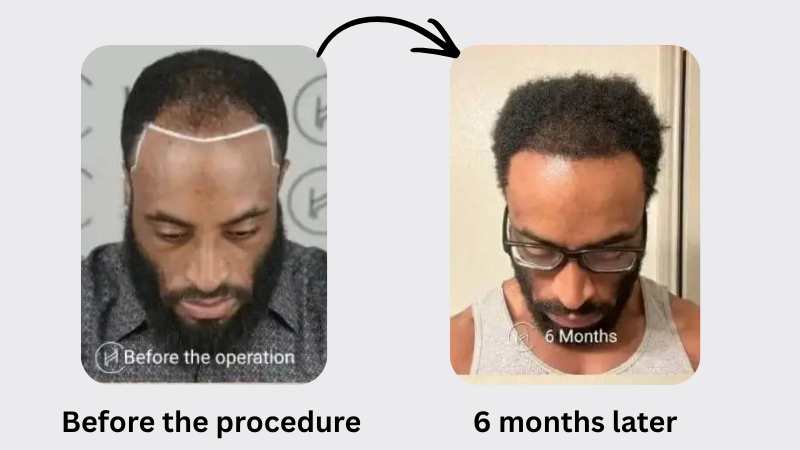
What to Avoid For Both Men and Women
Regardless of which style you choose, certain styling behaviors carry consistent risk during the recovery period:
- Tight hairstyles: Ponytails, braids, cornrows, buns… The tension created by hairstyles that pull on the scalp can cause sustained strain, which may dislodge healing grafts in new follicles. Avoid all tight hairstyles for the first six months.
- Heat tools close to the scalp: This is the biggest challenge for people who’ve had a hair transplant. Especially if you love using hair styling tools, saying goodbye to your Dyson will be a bit tough. But this is only temporary; you’ll be able to style your hair however you like again soon. Don’t worry. Focus on healing first.
- Harsh chemical treatments: Perms, relaxers, chemical straighteners… These involve agents that penetrate the scalp. These should be avoided for at least 12 months post-transplant.
- Heavy styling products: Waxes, strong-hold gels, oil-based pomades… These can clog follicles and reduce scalp breathability. Use water-based, lightweight products during the recovery year.
Perseus Recommends
Have you had a hair transplant and want to give your hair a new look? Perseus Perseus 6-Month Care Set is here to help you on this journey... Email info@perseusstyle.com right away to get the discount code and claim your 10% off!
Explore Post Hair Transplant Package →What Patients Ask About Best Hairstyles for Hair Transplant Patients
1. When can I get my first haircut after a hair transplant?
Most surgeons allow a gentle scissor cut from around day ten to two weeks post-surgery, if necessary. A full haircut with any razor work on the recipient or donor area should wait until month three.
2. When can women wear their hair in a ponytail after a transplant?
A loose and low ponytail is generally safe from month 3-4. A tight and high ponytail should wait until month 12 or more to avoid traction on healing grafts.
3. How long until I can use a hair straightener after a hair transplant?
Low-heat straightening is generally considered safe from month six, provided the iron is kept away from the scalp surface. High-heat styling should wait until month 15.
Recommended Reading
✦ Growth Journey: Hair Transplant Timeline: Real Before & After Photos — A comprehensive month-by-month visual guide showing how your hair transitions from surgery to full density over a complete 12-month recovery cycle.
✦ Unshaven Procedure: Unshaven Hair Transplant (U-FUE) — Learn how U-FUE allows patients to undergo restoration without shaving the entire head, maintaining discretion during recovery.
✦ Clinic Selection: Best Hair Transplants Clinics in Turkey — An objective evaluation criteria guide to help you find reputable medical teams, transparent pricing, and world-class surgical standards in Turkey.
✦ Style & Length: Best Short Haircuts for Women — Explore versatile and flattering short hairstyles ranging from chic pixies to chin-length cuts.
Watch and Learn
▶️ Expert Hair Care Advice on YouTube — A quick, practical video breaking down essential scalp care tips for the crucial post-transplant recovery phase.
▶️ Understanding Hair Restoration Surgery — An in-depth look at graft placement, modern surgical techniques, and what you can realistically expect during your restoration journey.
▶️ Managing Density and Long-Term Results — A comprehensive visual guide discussing how to optimize hair thickness and maintain your results over time.


Receive offers, product alerts, styling inspiration and more. By signing up, you agree to our Privacy Policy.
- info@perseusstyle.com