Paraben-Free Shampoo After Hair Transplant
Written by Perseus Editorial Team
Last Update: August, 2026
Lately, dermatologists, specialists and hair care experts have been talking about a hot topic: paraben-free shampoo after hair transplant. In the past, advertisements for shampoos and conditioners containing harmful ingredients like parabens and sulfates were everywhere, often promoted by influencers, YouTubers and celebrities. However, recent scientific research has shed light on the dangers these products pose to our scalp health. So people are returning to natural options.
Human hair is basically a structure made up of a special protein called keratin, lipids from the sebaceous glands and the pigment melanin. The inner layers of the hair shaft, called the cortex and medulla, and the outer layer, the cuticle, are supplied by blood. Blood vessels provide oxygen and nutrients to the scalp skin and hair follicles.
When chemical products come into contact with the outer cuticle of the hair and skin, abnormal symptoms like dryness or excessive oiliness of the skin, itching and rapid hair loss may occur. Therefore, it is necessary to use sulfate-free & paraben-free shampoo and conditioner.
But just how can you tell which shampoos contain natural substances? In this article, we’ll look at what parabens are, why they’re used in beauty products, and how to find paraben-free shampoos. Restoring your hair to its former glory and detoxifying your skin from harsh chemicals starts here; let’s get started!
What is paraben-free?
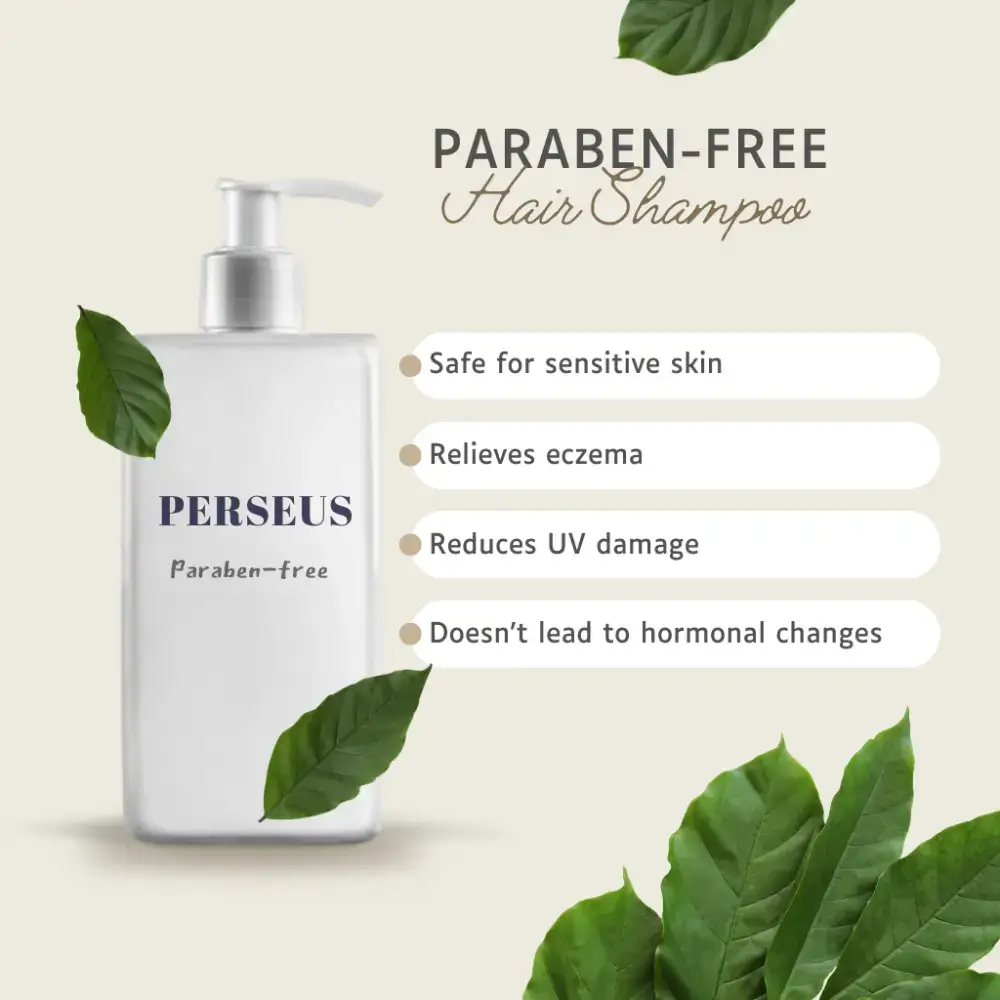
Paraben-free meaning hair care products that do not contain a group of synthetic compounds called parabens. Manufacturers use them in cosmetics, pharmaceutical products, skincare, some foods, and personal care items, but mostly in SHAMPOOS! Scientists concern that parabens may be linked to some health problems.
The most common parabens that are used in products are:
- Methylparaben
- Ethylparaben
- Propylparaben
- Butylparaben
- Isobutylparaben
- Benzylparaben
In paraben-free cosmetics, they either use an alternative preservative instead of paraben or produce organic shampoos. That’s why, you should get into the habit of reading product ingredients to break the habit of using parabens, which cause hair loss and prevent hair growth by attacking the hair follicle and epidermis. If you don’t want to use a product that’s completely paraben-free, you can at least make sure it falls within the ideal range.
How does paraben affect your hair?
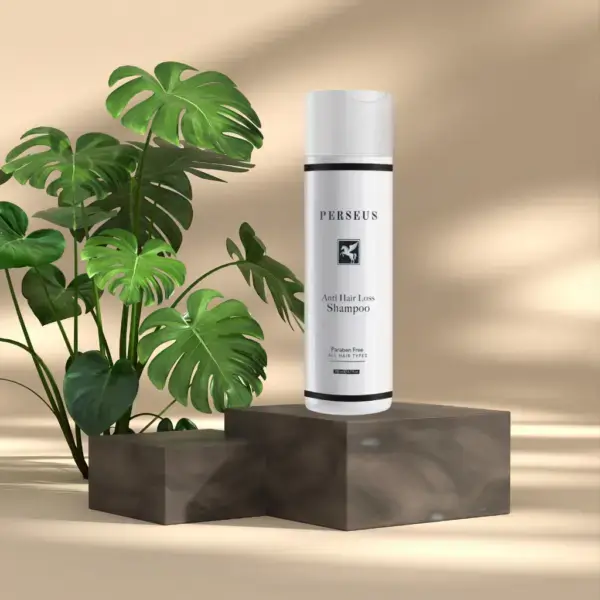
What you put on your hair and scalp often ends up in your pores and blood. The skin absorbs parabens easily, so they get into your bloodstream and urine. That’s why it’s important to be aware of what you put on your body.
You may experience these symptoms if your skin absorbs products with parabens:
- It may irritate your scalp,
- You may experience dryness of the hair and scalp,
- Dyed hair may fade faster,
- It may increase the rate of hair shedding and thinning.
- It triggers allergic reactions and aggravates skin conditions.
- The result of their combination with sodium sulphate, alcohol, propylene glycol, etc. is unknown.
- It can also mimic estrogen in the body and cause hormonal dysfunction,
- Recent studies suggest a possible link to reproductive health issues due to hormonal disruption.
- It may cause rapid aging and wrinkling of the skin.
Research about paraben
The cosmetics giants have been using parabens (PBs) in the cosmetics industry since the 1920s. In fact, in the beauty industry, they prefer this product to increase the shelf life. They most commonly use this chemical at 0.1% to 0.8% in the following products:
- shampoos
- conditioners
- soaps
- foams
- shaving creams
- skincare products
Research on paraben shows that this substance may be associated with breast cancer. They suggest that it may cause breast cancer due to their endocrine disrupting properties. The formulators still think that these para hydroxybenzoic acid esters have low toxicity because there is not enough research available to claim otherwise.
Where are they found?
Manufacturers prefer to use parabens in cosmetics, food, and medicine.
Cosmetics that may contain parabens include:
- moisturizers, toothpastes, make-up, hair care lotions, sunscreens, and shaving products.
- Many popular deodorant brands are now free of parabens, although some may contain some.
- Shampoos containing parabens have not been approved by the FDA. Under the Federal Food, Drug, and Cosmetic Act, cosmetic products or ingredients other than color additives are not subject to FDA approval before they are marketed. Therefore, it is very important to do your own research when choosing these products [1].
Is paraben-free the same as sulfate-free?
No, “paraben-free” and “sulfate-free” are different and refer to different types of ingredients. The sulfate is useful in removing oil from the hair rather than extending the shelf life. The main reason why people avoid sulphate is that it dries the scalp. Thus, it slows hair growth and causes hair loss. In brief, sulphate-free and paraben-free products are defined as follows:
Paraben-free:
It indicates that the product is free of parabens, which are synthetic preservatives used to protect against microbial growth.
Sulfate-free:
This means that the product is sulfate-free, such as sodium lauryl sulfate (SLS) or sodium laureth sulfate (SLES). Those are surfactants used to foam and cleanse.
Some experts suggest that both products may be harmful to human health. So that, people can prefer body cleaning products including shampoo, foam, soap produced from organic materials. As an example, you can examine Perseus’s post hair transplant shampoo.
What are the effects of parabens on hair transplant results?
On a healthy scalp, the potential harm of paraben shampoos may be minimal. In contrast, a post-operative scalp become hyper-reactive. This means it becomes hypersensitive after the procedure. This is why the effects of paraben-laden shampoos can be far more serious.
In routine use, parabens can exacerbate itching, redness, and burning sensations. Especially itching following a hair restoration can lead to the displacement of hairfollicles that were implanted only a couple of days prior. Due to these risks, hair transplant specialists usually advise against the use of harsh chemicals during the healing period following scalp-related surgeries such as forehead reductions and graft implantations. Exposing incised skin to harsh materials while it’s recovering may disrupt the skin’s natural barrier function. Instead, specialists recommend shampoos with a shorter shelf life that are more suitable for medical use, and are formulated with naturally occuring plant extracts, beneficial vitamins, and natural oils that good for hair.
You can find all the critical information regarding your recovery process in the guide to post-hair transplant skin repair stages.
Choosing the right shampoo is one of the most critical decisions in your recovery. Learn which ingredients are safe, which to avoid, and what specialists recommend.
→ Best Shampoo After Hair Transplant: Full Guide
Which paraben-free shampoos are recommended after hair transplant?
The key criteria for shampoos used after hair transplantation are as follows: no paraben, no sulfate, no sodium chloride, and with a pH level between 4.5 and 5.5. Clinically, three key ingredient profiles consistently stand out in experts’ recommendations:
Shampoos containing Procapil and Saw Palmetto prevent DHT-induced follicle shrinkage without damaging the scalp tissue during the healing process. Shampoos containing Decyl Glucoside or Coco-Glucoside use coconut-derived cleansers that are hypoallergenic and compatible with mucous membranes. These are the same cleansers found in medical-grade baby shampoos. Shampoos based on Biotin, Panthenol, and Aloe Vera provide the structural protein support and deep hydration that newly transplanted follicles need during the growth phase.
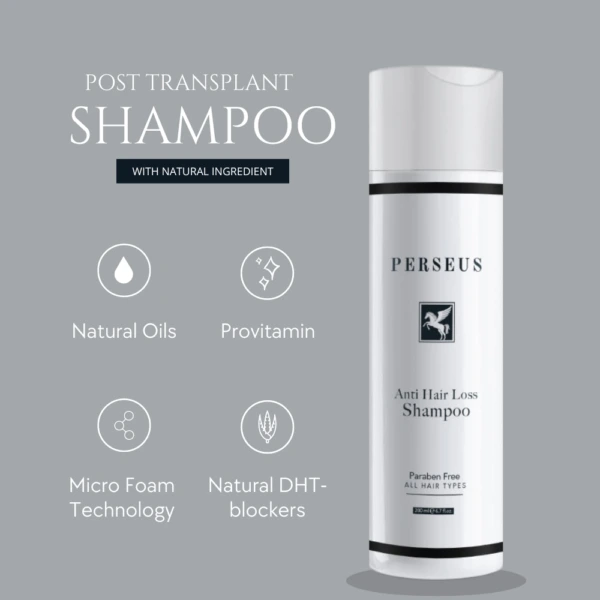
Perseus Post Hair Transplant Repair Shampoo meets all three of these criteria. It is free of sodium chloride, sulfates, and parabens and is specifically formulated for post-transplant scalp sensitivity.
When can you start using paraben-free shampoo after hair transplant?
The first wash after a hair transplant is performed at the clinic, 2 to 3 days post-surgery, using a medical-grade solution provided by your surgeon. From day 3 onward, you can begin washing at home; however, only with a paraben-free, sulfate-free shampoo applied with extreme gentleness, using fingertip pressure only, no rubbing.
By week 2, the scalp’s surface barrier has largely closed and washing becomes easier. By month 1, a normal gentle washing routine is appropriate. The paraben-free requirement does not expire, sulfates and parabens remain harmful to transplanted follicles throughout the growth phase, which runs through month 12. Most specialists recommend staying on a medical-grade paraben-free shampoo for the full first year.
Paraben-Free Shampoo vs. Generic Shampoo
| Feature | Medical | Drugstore |
|---|---|---|
| Parabens | None | Often present |
| Sulfates | None | SLS / SLES |
| Sodium chloride | None | Common |
| pH level | 4.5 – 5.5 | 6.0 – 8.0 |
| Graft safety | Safe day 3+ | Risk of disruption |
| Scalp irritation | Minimal | High risk |
| DHT blocking | Procapil / Saw Palmetto | None |
FAQs about Paraben-Free Shampoo After Hair Transplant
Is paraben more harmful to men than to women?
Scientists have found that women have higher concentrations of parabens in urine than men. In early childhood, maternal exposure to BuP may trigger the risk of obesity.
Is paraben carcinogenic?
Researchers have revealed that parabens can disrupt the normal functioning of breast cells. Potentially affecting the growth of these cells could lead to the development of breast cancer.
Is paraben banned in the US?
The US government has given the green light to parabens in cosmetics and food. However, because there’s a lot of demand for paraben-free products, some brands have started making more products with natural ingredients.
Can parabens cause infertility?
Some studies indicate that exposure to specific parabens, including PrP, BuP, and HeP, in female partners may be associated with lower fertility and an increased risk of infertility.
References
- Gálvez-Ontiveros Y, González-Palacios P, Ramírez V, et al. Hair as an Indicator of Prolonged Paraben Exposure and Its Relation to Weight Gain in a Sample of Spanish Children: A Proof-of-Concept Study. Nutrients. 2025;17(9):1593. Published 2025 May 6.
Alhussain, H., et al. “Effect of Hair Care Products on Hair Follicle Health.” Basic and Applied Zoology, 2025.
Szaniawski, K., et al. “Hair Loss and Chemical Exposure: A Review.” PMC, 2021.
Paris Beauty Pro. “How Parabens and Sulfates Damage Hair.” Paris Beauty Pro Blog, 2025.
Gisou. “Why Are Parabens Bad for Your Hair?” Gisou Blog, 2025.
Recommended Reading
✦ Essential Supplements: Best Hair Vitamins After Hair Transplant — The definitive guide to essential vitamins and supplements that accelerate healing and strengthen newly implanted follicles.
✦ Follicle Nourishment: Hair Growth Serum After Hair Transplant — The biological role of peptides and growth serums in graft survival and density.
✦ Loss Prevention: 8 Current Treatments to Stop Balding — Clinically backed medical and non-surgical solutions to prevent progressive hair loss.
✦ Visual Timeline: Hair Transplant Timeline: Real Before & After Photos — Month-by-month recovery milestones and realistic graft growth stages.


Receive offers, product alerts, styling inspiration and more. By signing up, you agree to our Privacy Policy.
- info@perseusstyle.com