Written by Perseus Editorial Team
Last Update: August, 2026
Curious about the century-long evolution of men’s hairstyles? Here is the video of interesting change in hair styles of men from past to present. From the final days of the Victorian Age to the trends of 2026, weโre diving deep into the ever-changing world of male hairstyles and beards! ๐ฅ
| Era | Key Hairstyle | Iconic Influence | Perseus Care Tip |
| 1920s | Slicked-back | Jazz Age / Gatsby | Use Perseus Hair Oil for shine |
| 1950s | Pompadour | Elvis Presley | High-hold styling needed |
| 1990s | Grunge / Messy | Kurt Cobain | Natural look with Perseus Lotion |
| 2020s | Modern Mullet / Fade | Individuality | Scalp health is priority |
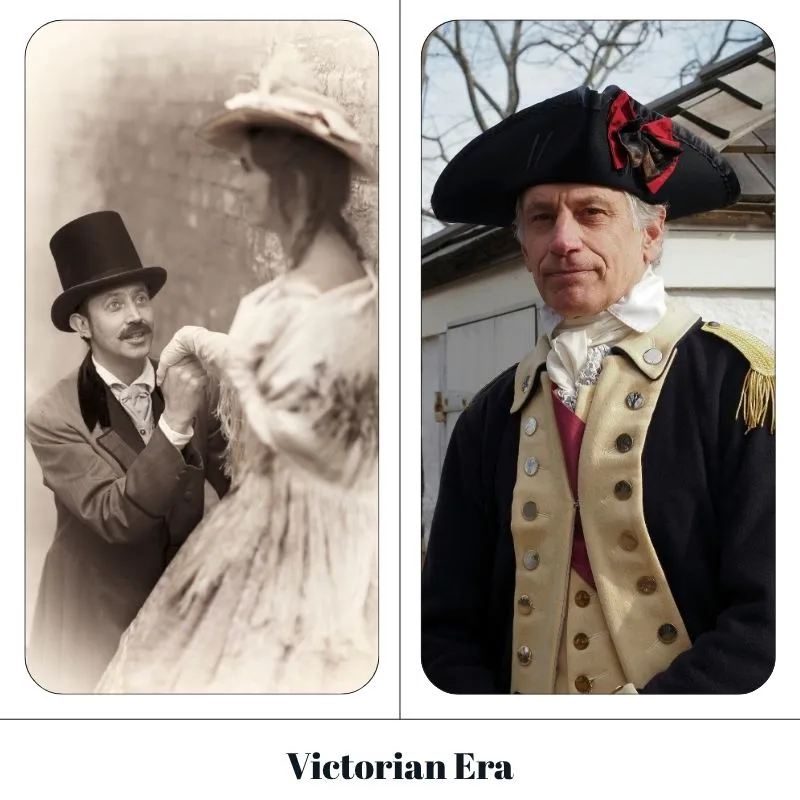
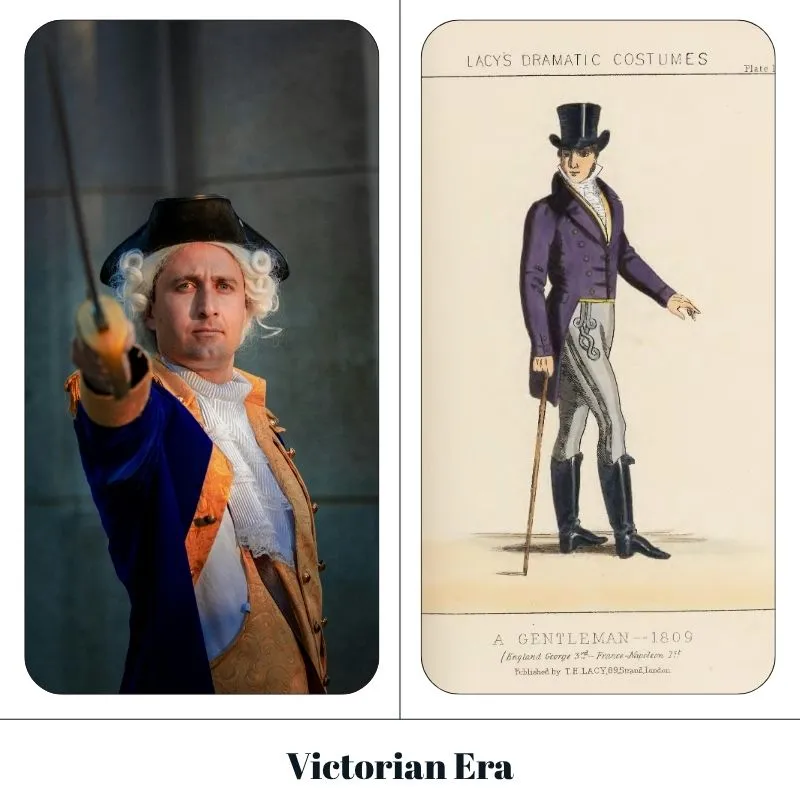
Male hairstyle in the Victorian age was similar to the initial 19th century with short natural hair style.ย
Victorian men’s hairstyles and facial hair offered a more clean, disciplined and elaborate look than in previous eras.ย
These were in trend among men of the Victorian age:
Menโs style was more natural before Queen Victoria’s reign, i.e. during the Georgian and Regency periods.ย
Icon Style of the Era
The Full Beard & Natural Part
Short on the sides, oiled on top, and always paired with a full beard. The Victorian gentleman's hair was a symbol of discipline and social standing โ groomed to perfection, never out of place.
Men styled their hair with hair oils. That’s why most styles were short on the sides and top. Do you want to style your hair like in the 30s? Discover Perseus lotion and Perseus natural hair care oil!
The limited number of styles varied the hair parting and texture:
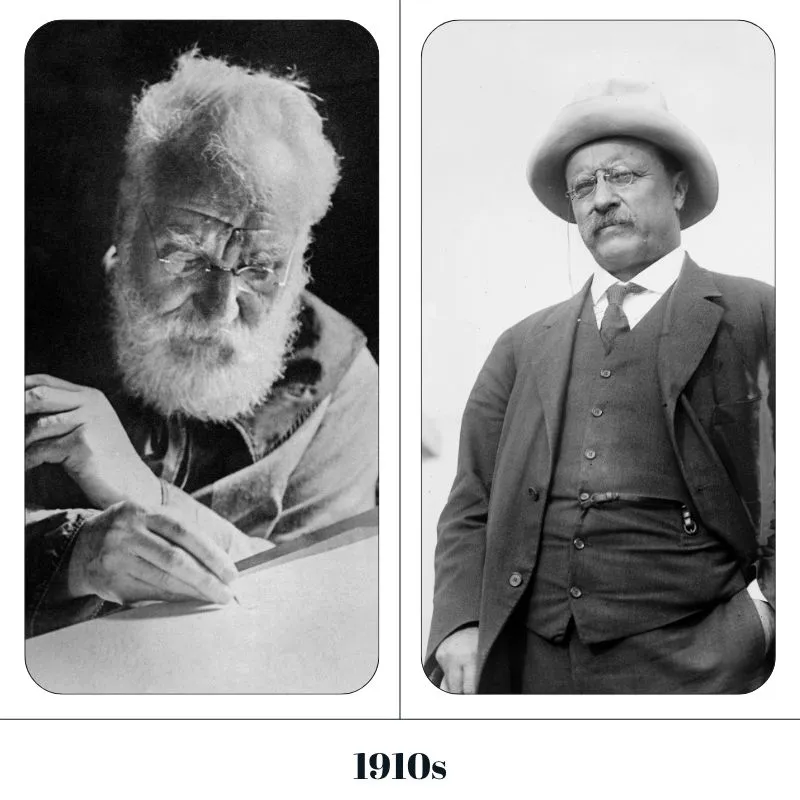
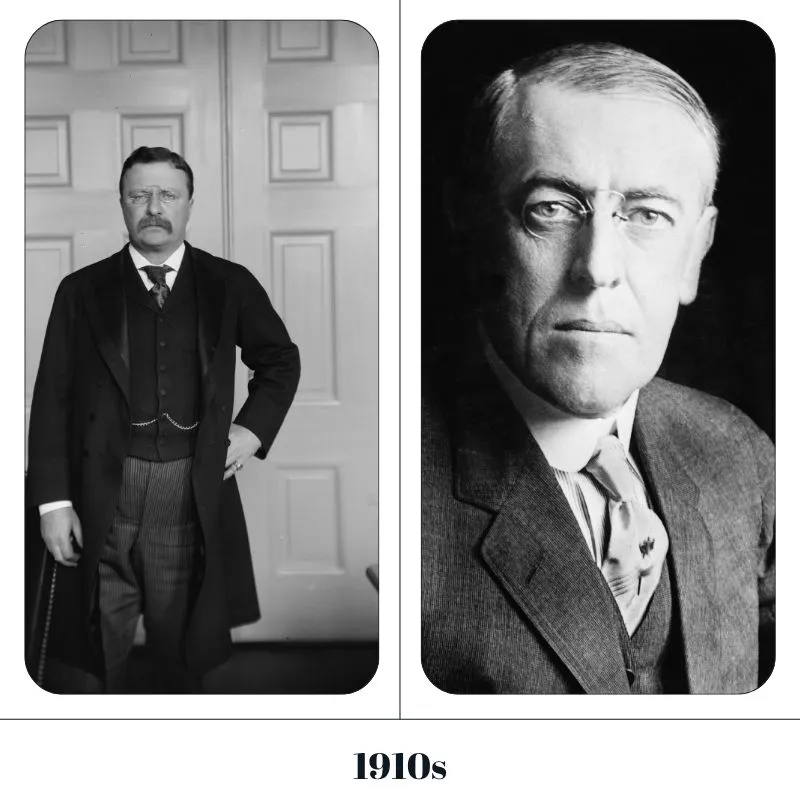
The hairstyles of men in the 1910s were the side parted and the simple slicked-back appearance. Men’s hair was heavily oiled with gel and combed back from the forehead to the back of the head. The sides were kept slightly shorter but also combed back. This approach gave a uniform and tidy look, reflecting the era’s emphasis on formality and grooming.
Modern expert tip: Although the heavy oils used in the 1910s produced a classic shine, they often clogged hair follicles and caused scalp inflammation. Nowadays, you can recreate that same timeless, slicked-back look without causing any damage. Use Perseus Natural Hair Care Oil to nourish your scalp with botanical extracts and achieve a healthy glow.
Icon Style of the Era
The Side-Parted Slick
Heavily oiled, combed straight back from the forehead, with every strand accounted for. The 1910s man dressed his hair the way he dressed himself โ with military precision and zero tolerance for mess.
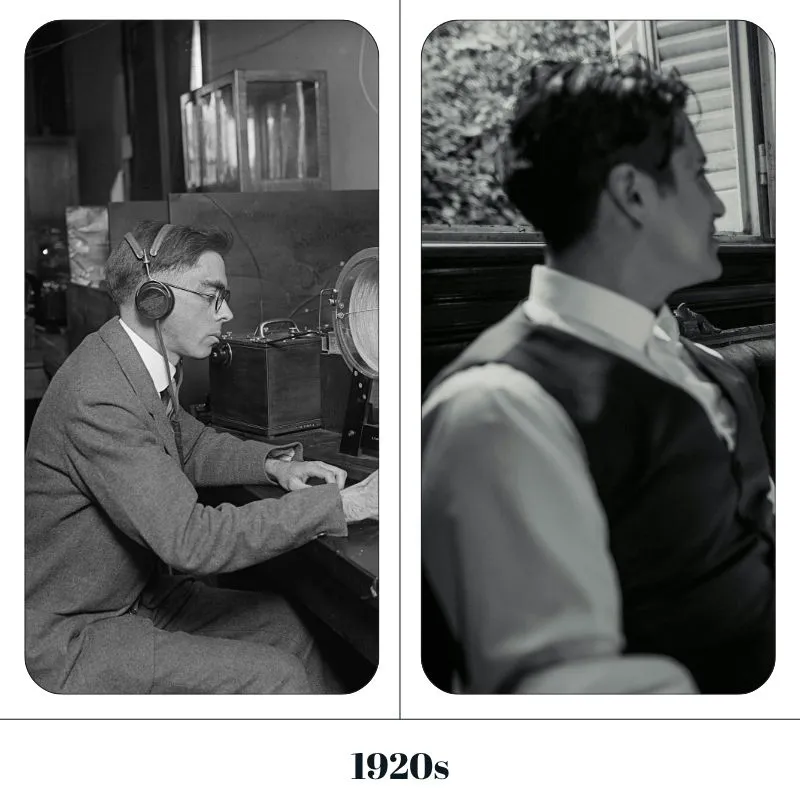
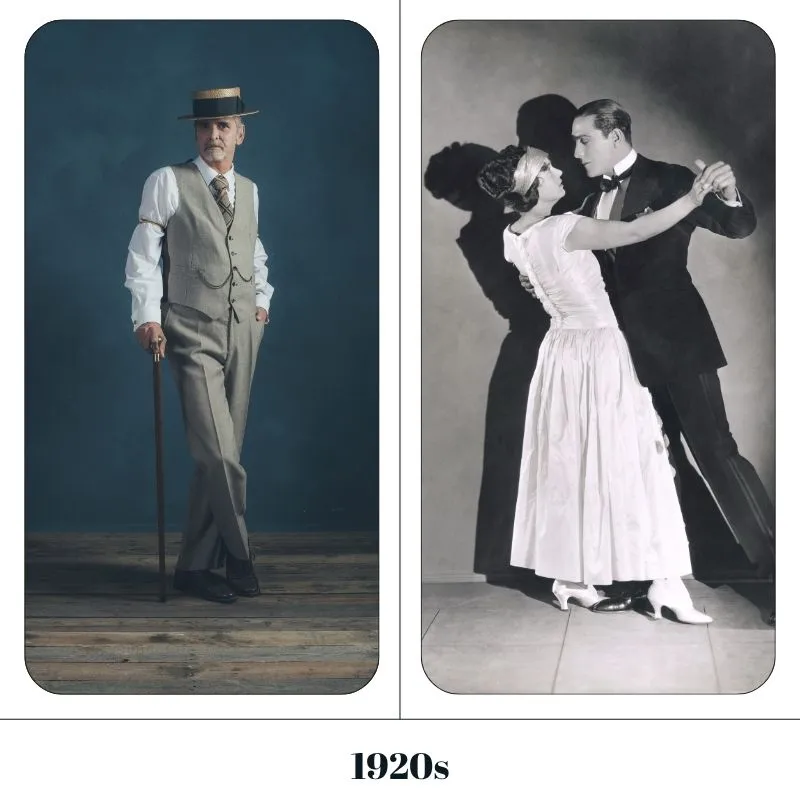
The Roaring Twenties brought a shift towards sleek, well-groomed styles with the advent of the Jazz Age. The iconic image of the well-dressed gentleman emerged, with hair kept short on the sides and slightly longer on top. They often styled their hair with pomade for a shiny finish. This style reflected the elegance of the Jazz Age. Facial hair was rare, as a clean-shaven face was considered the height of refinement, so moustaches and beards were uncommon.ย
Icon Style of the Era
The Slicked-Back Pompadour
Heavy pomade, deep side part, not a hair out of place. The 1920s man wore his hair like a statement โ refined, deliberate, and unapologetically polished.
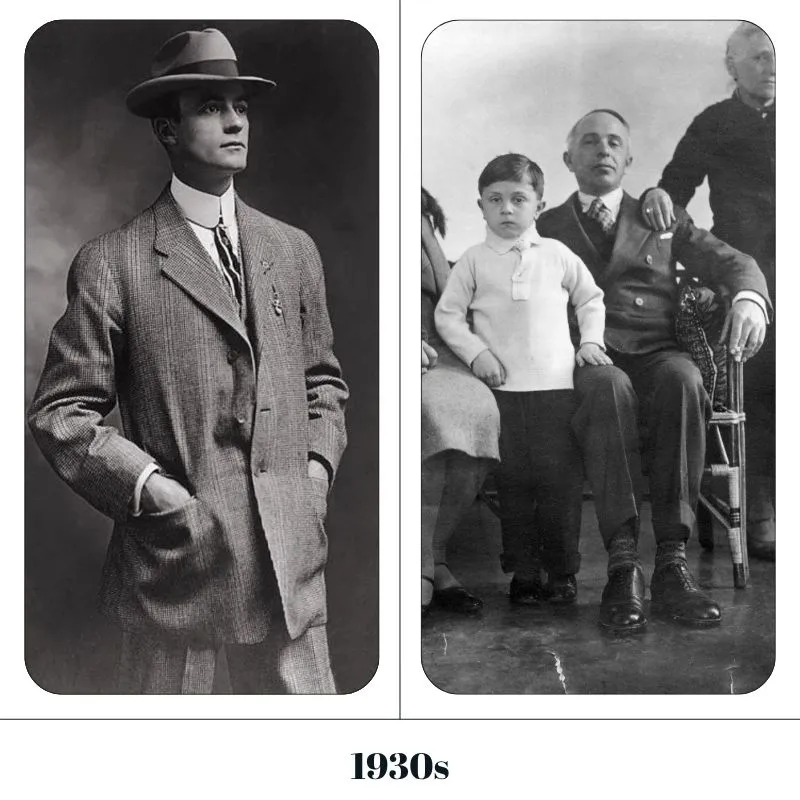
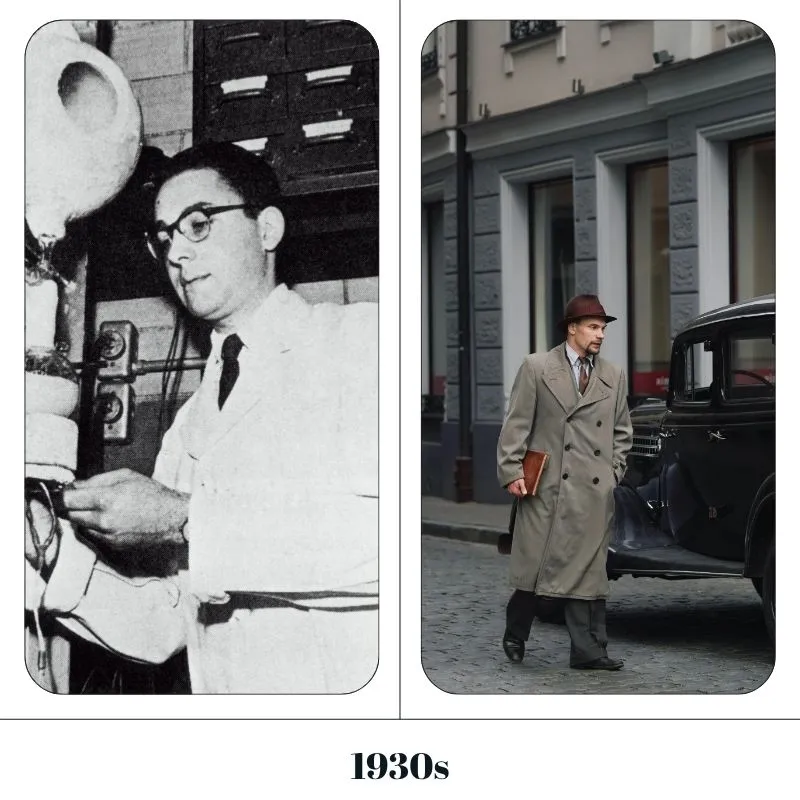
Men’s hairstyles in the 1930s remained short and textured, with a preference for deep side-parts and slicked-back looks. The hair was combed to the side and slicked back. Economic times were hard. So, men wanted to look their best for work. Hollywood actors like Clark Gable set the trend for the decade, inspiring men to embrace well-groomed, slightly wavy hair. Moustaches made a comeback, but beards were still rare.
Icon Style of the Era
The Hollywood Deep Part
Clark Gable made it famous โ a deep side part, slightly wavy, slicked back with pomade for a shine that caught the light. Hard times called for looking your best, and the 1930s man delivered every single day.
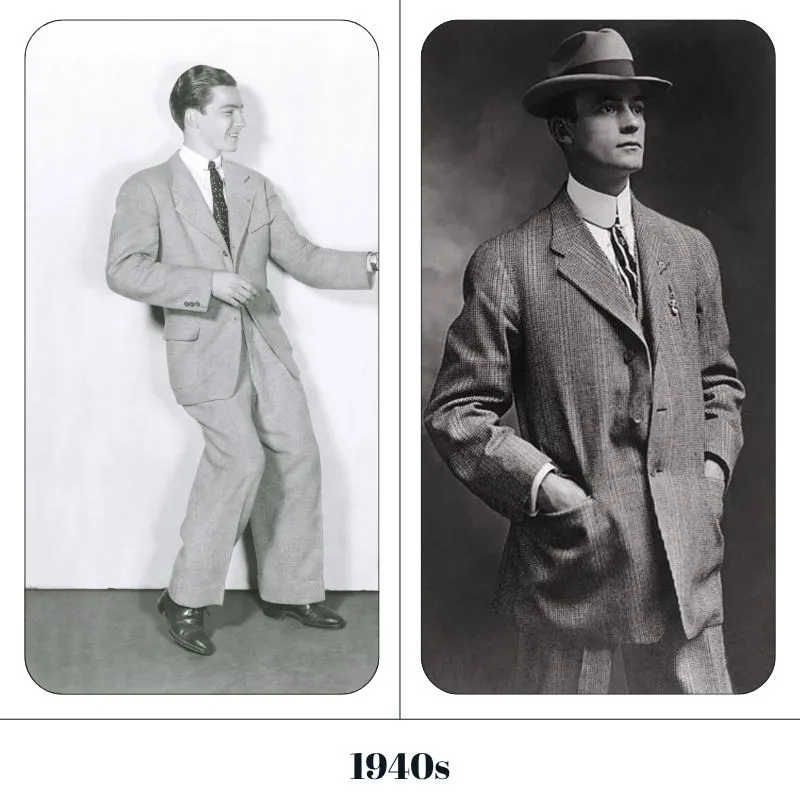
In the 1940s, hairstyles of men were influenced by WWII. That’s why men favored practical, short haircuts like buzz cuts and other military-inspired cuts.ย The go-to haircuts were neat and short with a slightly puffy quiff at the front. These cuts were practical, easy to care for and expressed a sense of patriotism. Slicked-back, side-parted styles, often set with pomade for a shiny look, remained in fashion for those not in the military.
Icon Style of the Era
The Military Buzz Cut
War shaped everything โ including hair. Short, clean, and no-nonsense. The 1940s buzz cut wasn't just a haircut; it was a uniform. Easy to maintain in the field, impossible to criticise at home. Practicality had never looked so sharp.
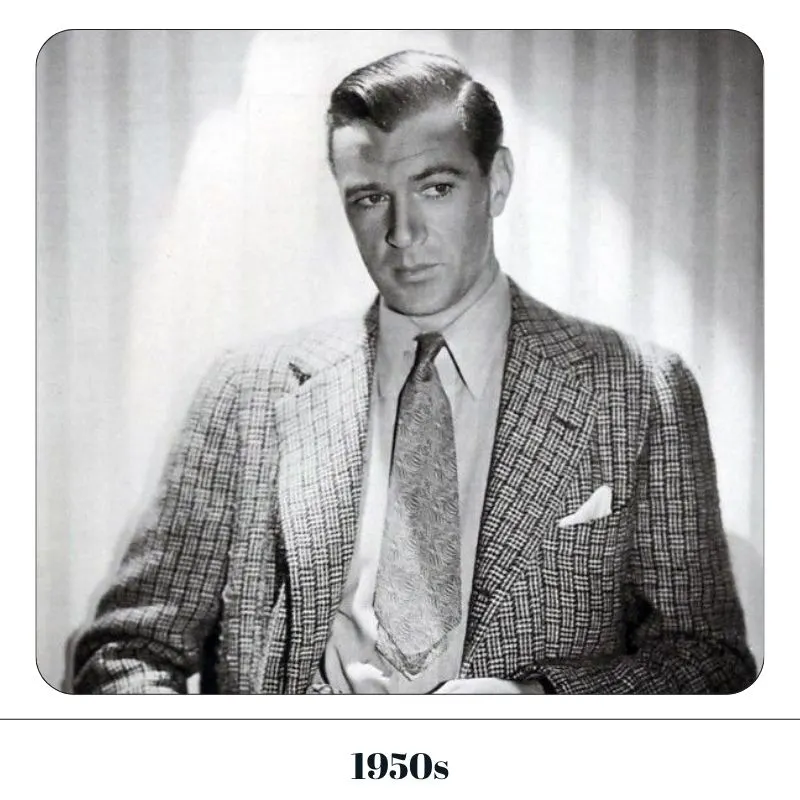
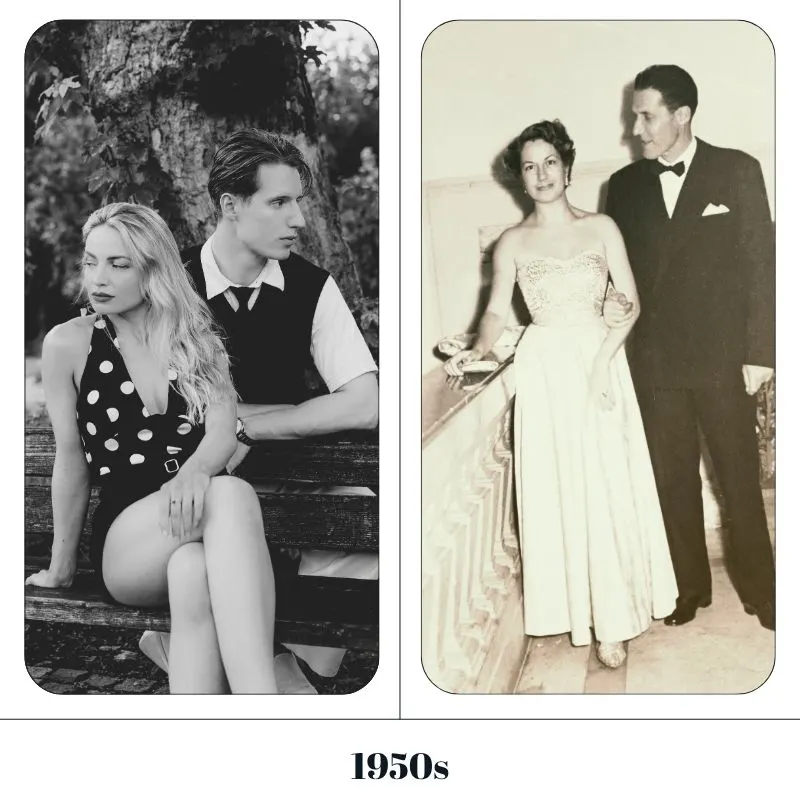
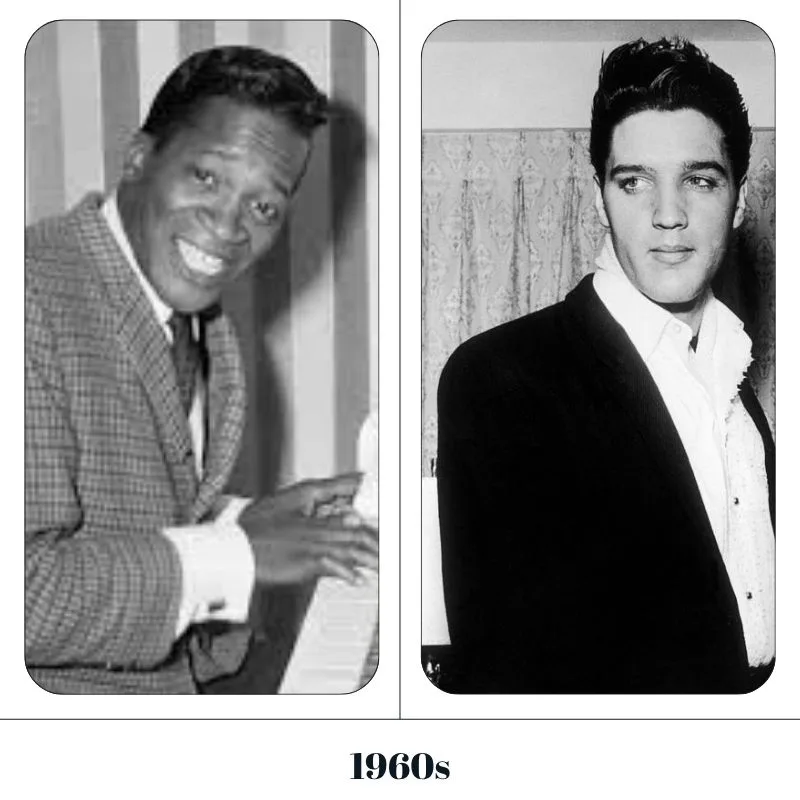
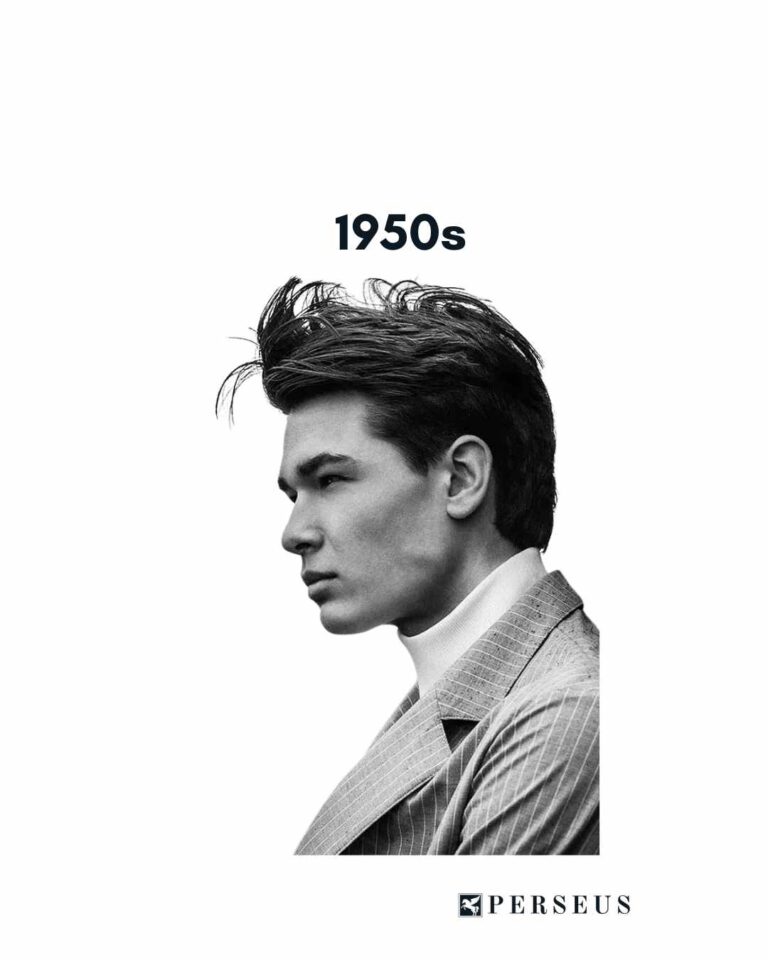
The 1950s saw a split in men’s hairstyles. Whilst conservative men stuck to short, sleek styles, the rise of rock ‘n’ roll saw the introduction of the pompadour and ducktail (DA), inspired by icons such as Elvis Presley, Johnny Cash, Eddie Cochran, Marlon Brando and James Dean. These looks featured longer, voluminous tops, slicked back with heavy pomade for a rebellious yet stylish look.
Icon Style of the Era
The Greaser Pompadour
Elvis. Brando. Dean. The 1950s pompadour was rebellion dressed up in pomade โ volume at the front, slicked sides, and an attitude that said everything without saying a word. For the first time, men's hair wasn't just groomed. It was a statement.
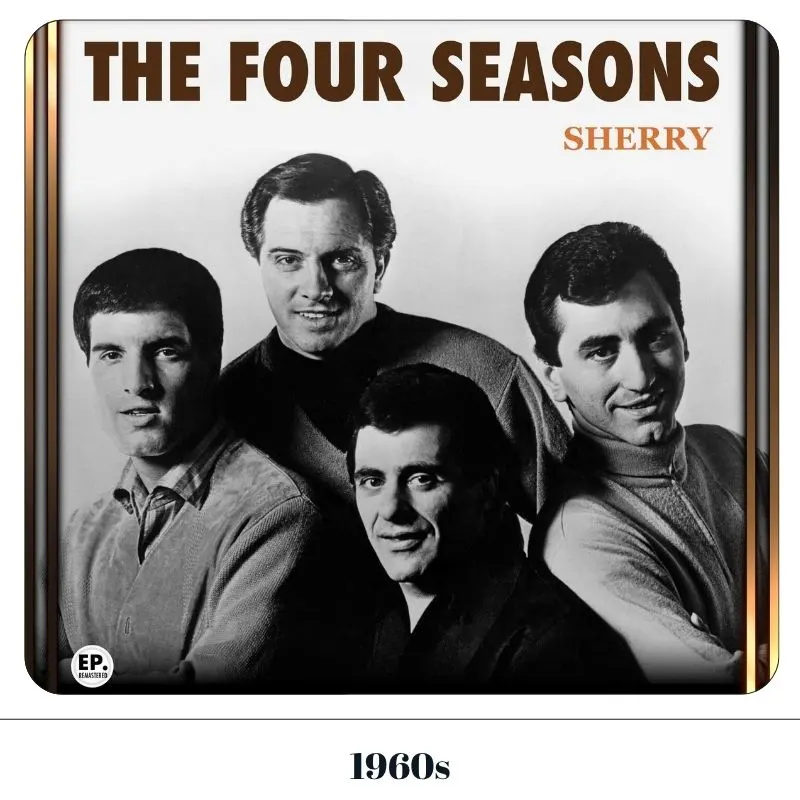
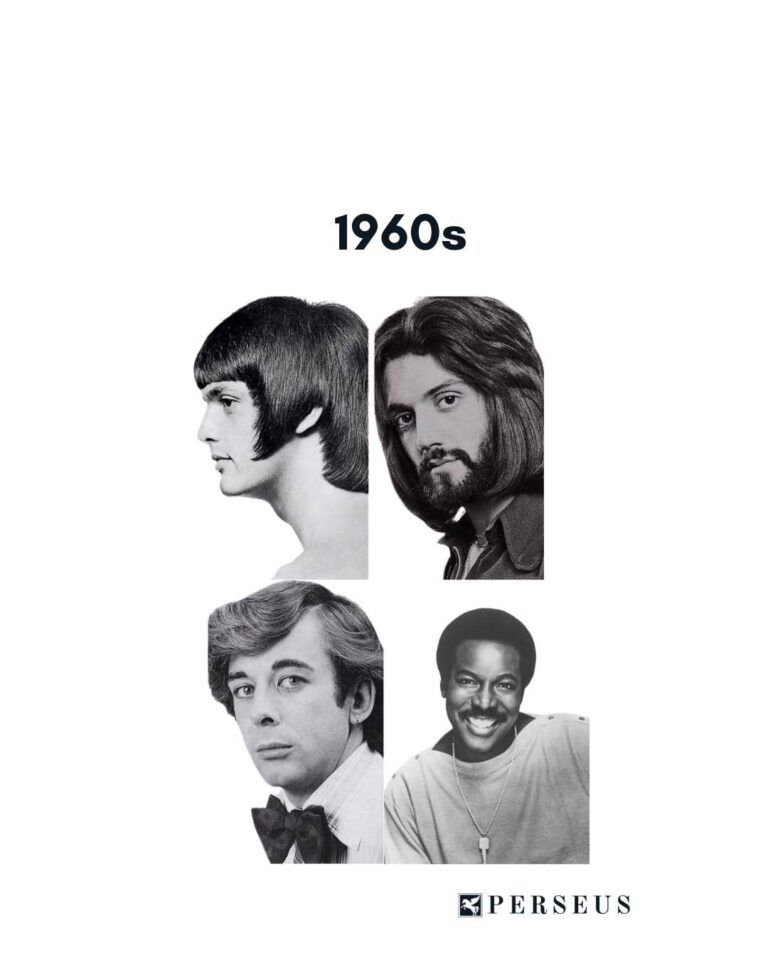
The 1960s saw a shift towards longer hair for men, reflecting the counter-cultural movements of the time. In the mid-60s, the hippie style revolutionised men’s hair and beard styles. Thatโs why, 60s haircuts marked a departure from strict grooming norms. The Beatles revolutionised men’s hairstyles with their mop-top cuts, longer bangs and shaggy, unstyled styles. The counterculture movement supported longer, natural hair, and facial hair – moustaches and sideburns – made a comeback.
Icon Style of the Era
The Mop-Top
Four lads from Liverpool changed men's hair forever. The mop-top โ longer, shaggy, brushed forward over the forehead โ was the anti-establishment cut that conquered the establishment. If the pompadour was rebellion, the mop-top was revolution.
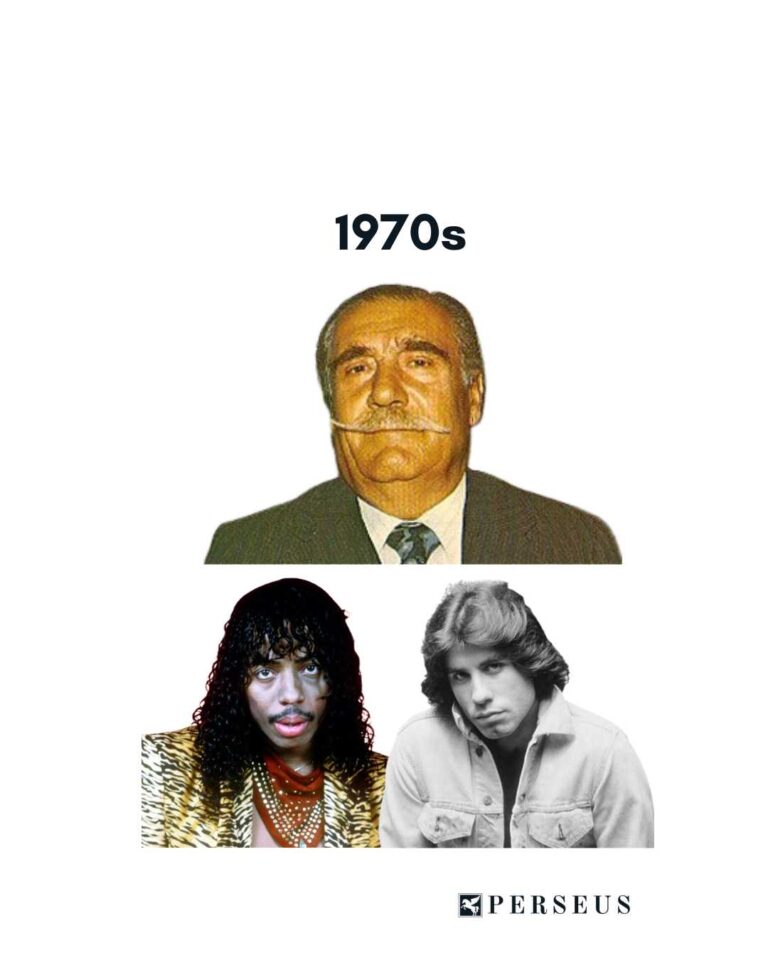
The 1970s saw long, free-flowing hairstyles, often with layered cuts and shaggy textures. Disco and rock culture inspired men to grow sideburns, moustaches and beards. The Afro style became popular, celebrating the natural texture of hair. Feathered hair, made famous by John Travolta, David Bowie, Mick Jagger, and Paul McCartney, became a trendy choice.
Icon Style of the Era
The Feathered Shag
Long, layered, and swept back from the face with a blow dryer. Disco and rock collided in the 1970s and the result was feathered hair โ free-flowing, unapologetically theatrical, and absolutely everywhere. John Travolta wore it best. David Bowie wore it strangest. Both were right.
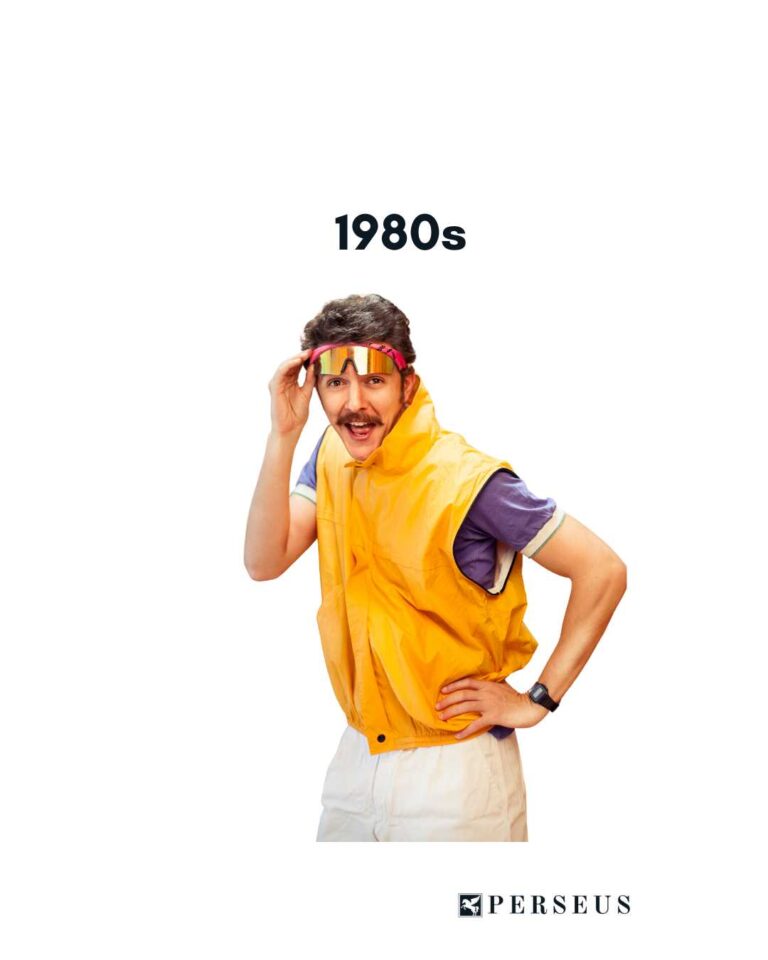
Hairstyles in the 80s represented people’s search for identity and the desire to be unique. The 1980s were all about volume and excess. Both women and men embraced permed, big and heavily styled hair, often with mullet cutsโshort in the front, long in the back. Spiked styles, blow-dried quiffs and heavily gelled looks were popularised by rock stars and actors. Beards were less common, but thick moustaches remained iconic.
Did you know? The high-volume mullets and perms of the 1980s relied on harsh chemicals and excessive heat, which often left hair brittle and weak. If you’re going for an ’80s-inspired voluminous look today, it’s key to nourish your hair from within. We recommend the Perseus Vitamin Kit to provide the nutrients needed to maintain thickness and strength.
Icon Style of the Era
The Power Mullet
Business in the front, party in the back โ and absolutely no apologies. The 1980s mullet was the decade's hair in a single cut: loud, confident, and impossible to ignore. Hairspray was a food group. Volume was a personality trait. Subtlety was simply not invited.
The grunge movement of the 1990s led to natural, unstyled hair looks. Many guys wore medium-length, slightly messy hair, while others had buzz or curtain cuts, made popular by celebrities such as Leonardo DiCaprio and Johnny Depp. Gel spikes and frosted tips became popular in the late 90s thanks to boy bands.ย
Icon Style of the Era
The Curtain Cut
Centre-parted, jaw-length, and effortlessly nonchalant. The 90s curtain cut was the anti-80s โ where the previous decade screamed, this one barely whispered. Johnny Depp and Leonardo DiCaprio made it look like they'd just rolled out of bed. They hadn't. Nobody did.
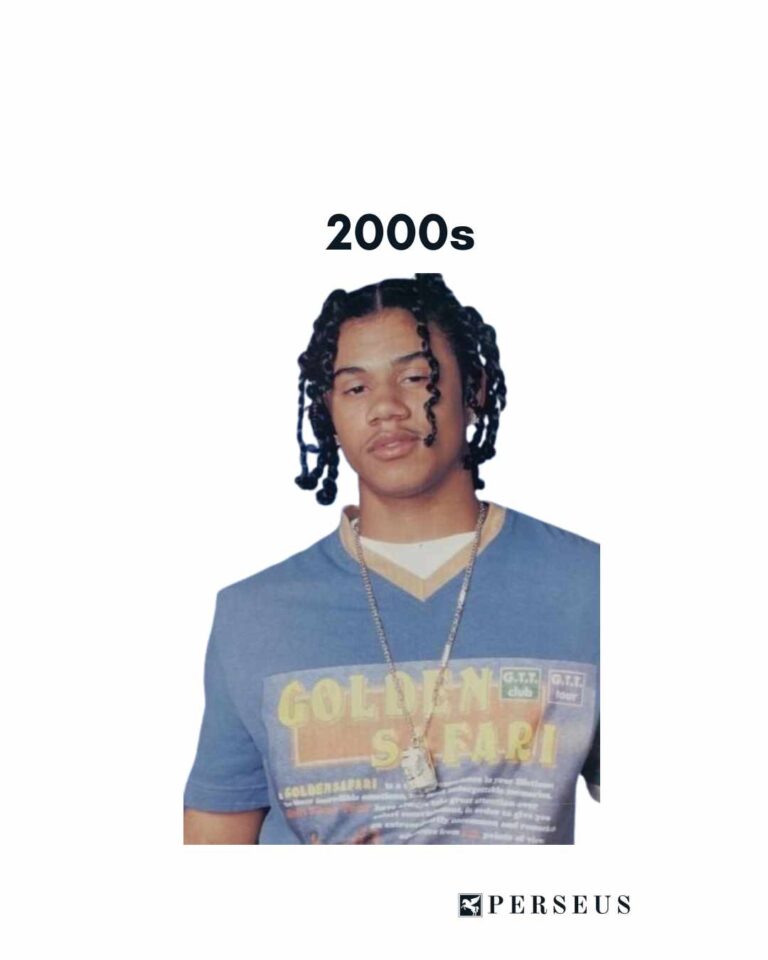
In the early 2000s, spiky, gelled hair and fauxhawks, inspired by pop-punk culture, became popular. Buzz cuts and short, textured crops became popular, mirroring a move towards low-maintenance, polished looks. Celebrities such as David Beckham popularised short, stylish fades, which influenced men’s grooming trends.
Icon Style of the Era
The Spiky Frosted Tips
Gel. Spikes. Bleached ends. The early 2000s hairstyle was bold in all the wrong ways โ and we loved every second of it. Whether it was Justin Timberlake's cornrows or the classic faux hawk with frosted tips, the noughties proved that confidence counts for everything, even when the look doesn't quite hold up in hindsight.
The 2010s saw a big comeback of vintage-style hairstyles, especially undercuts, pompadours and slicked-back looks. The fade haircut became a staple, usually with a longer top for a sharp, stylish contrast. At the same time, full beards and well-groomed facial hair made a comeback, thanks to the hipster movement.
Icon Style of the Era
The Undercut & Textured Quiff
The 2010s brought structure back. Tight fades on the sides, volume and texture on top โ the undercut and quiff combination became the decade's defining look. Barber culture exploded, grooming became a lifestyle, and men finally started taking their hair as seriously as everything else.
Current men’s hairstyles are all about natural textures, soft fades and easy styling. Messy crops, textured quiffs and modern mullets are all really popular right now, and they give a more relaxed yet fashionable look. And beards are still going strong, but now it’s more about keeping them short and well-maintained. The focus is on being versatile and individual, with many men trying out different styles.
The future of hair care: As we move through the 2020s, the focus has shifted from “style” to “hair health”. While trends may change every decade, the cornerstone of a great look is always healthy hair follicles. No matter whether you prefer a vintage pompadour or a modern-day fade, make sure your hair stays resilient with the Perseus Hair Care Protocol.
Icon Style of the Era
The Textured Crop & Modern Wolf Cut
The 2020s couldn't decide between clean and chaotic โ so it chose both. The textured crop kept things sharp and low-maintenance up top, while the wolf cut brought the 70s shag roaring back for a generation that discovered it on TikTok. Lockdowns grew out fringes, barbershops became sanctuaries, and "effortless" became the most carefully styled look in history.

๐ Looking for the Complete Journey? Explore the full recovery process and month-by-month results in our Hair Transplant Timeline & Real Before/After Photos.
โก๏ธ Just Reached Your First Milestone? Discover what to expect, manage shock loss, and care for your scalp in 1 Month After Hair Transplantation.
โ Protect Your New Grafts! Avoid critical recovery errors by checking out the 8 Post-Transplant Mistakes to Avoid.
๐โโ๏ธ Finding Your Next Look? Explore the top styling trends in 12 Long Haircuts Women Are Choosing This Year.
โ๏ธ Looking for Styles That Suit Your Healing Phase? Check out the Best Hairstyles for Hair Transplant Patients.
โจ Ready for a Fresh Cut? Discover stylish and practical options in Best Short Haircuts for Women.
Receive offers, product alerts, styling inspiration and more. By signing up, you agree to our Privacy Policy.