Hair Loss After COVID: 2026 Update
Written by Perseus Editorial Team
Last Update: August, 2026
Hair loss has been one of the most persistent after-effects of COVID-19. Years after the pandemic began, it’s still one of the top questions we hear. A 2024 clinical study found that 61.4% of women who had COVID-19 experienced some form of hair problem afterward, most commonly Telogen Effluvium.
So what’s actually happening to your hair, how long does it last, and is there anything you can do about it? Perhaps the most important question is this: Is there a treatment for this hair loss epidemic?
Why aren’t my hair still the same as before COVID?
Post-COVID hair loss is a temporary reaction of the body to severe stress, illness, or high fever, known in medical terms as Telogen Effluvium. As of 2026, although the acute phase of the pandemic is behind us, this condition continues to be seen both as part of the long Covid syndrome and in people infected with new variants.
How long does hair shedding after COVID last?
Thousands of people are searching for the link between long COVID and hair loss on search engines.
Post-COVID hair loss is a temporary reaction of the body to severe stress, illness, or high fever, known in medical terms as Telogen Effluvium (TE). This is not a rare complaint: a 2024 multi-center cross-sectional study of 500 female COVID-19 patients found that 61.4% experienced some form of hair problem after infection, with TE accounting for the majority of cases.
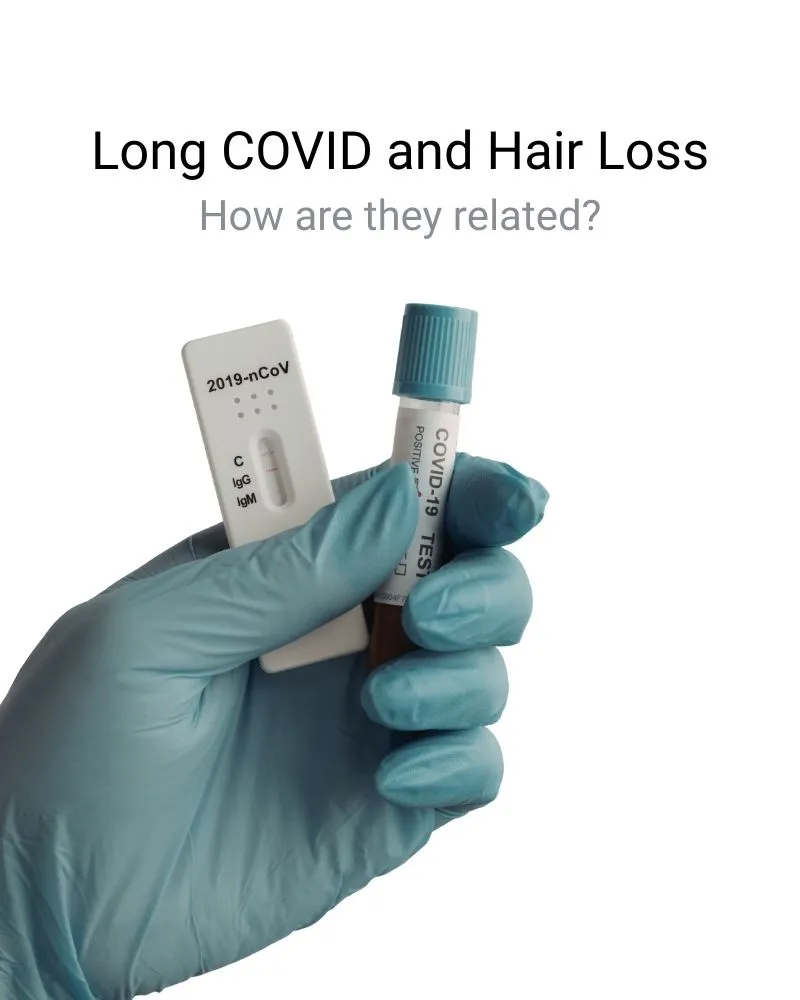
How common is hair loss after COVID, and how long does it last?
According to the American Academy of Dermatology, shedding typically begins 2 to 3 months after infection and resolves within 6 to 9 months, with full regrowth taking up to a year in some cases. The 2024 study by Ali et al. found a similar but slightly wider window, with onset occurring 2 to 6 months after infection.
Among the 307 women in that study who reported hair problems, the breakdown was:
- Telogen Effluvium: 60.8%
- Increased gray hair: 13.8%
- Seborrheic dermatitis: 5.6%
- Trichotillomania: 3.6%
- Alopecia Areata: 2.2%
The same research identified clear risk factors: hair loss was significantly more common among patients who were hospitalized or required ICU care, those with severe respiratory symptoms, healthcare workers, and people aged 31–40. Antibiotic use during COVID treatment was also linked to a higher rate of shedding.
What is Post-COVID Hair Loss?
In a normal hair cycle, 85-90% of hair is in the growth phase, while 10-15% is in the resting phase. High fever, systemic inflammation, and intense psychological stress experienced during Covid-19 infection pushed hair follicles into the resting phase prematurely.
Process
- Hair loss typically begins 2 to 4 months after recovery.
- The most obvious sign is widespread thinning across the entire scalp, rather than patchy hair loss. It is typical for handfuls of hair to come out, especially in the shower or when combing.
- This problem usually lasts for 6 to 9 months, after which hair begins to grow back.
What’s the Situation in 2026?
Data and expert opinions from 2026 indicate that hair shedding continues along two main lines:
- Hair shedding caused by new infections. Since Covid-19 has now become an endemic disease, the first episodes of shedding are still seen in people who contract new variants (especially those who experience severe cases).
- Chronic hair fall. In some patients, hair fall has lasted longer than 6 months, turning into Chronic Telogen Effluvium. Research indicates that this may be due to persistent low-grade inflammation in the body or iron or vitamin deficiencies such as ferritin, vitamin D.
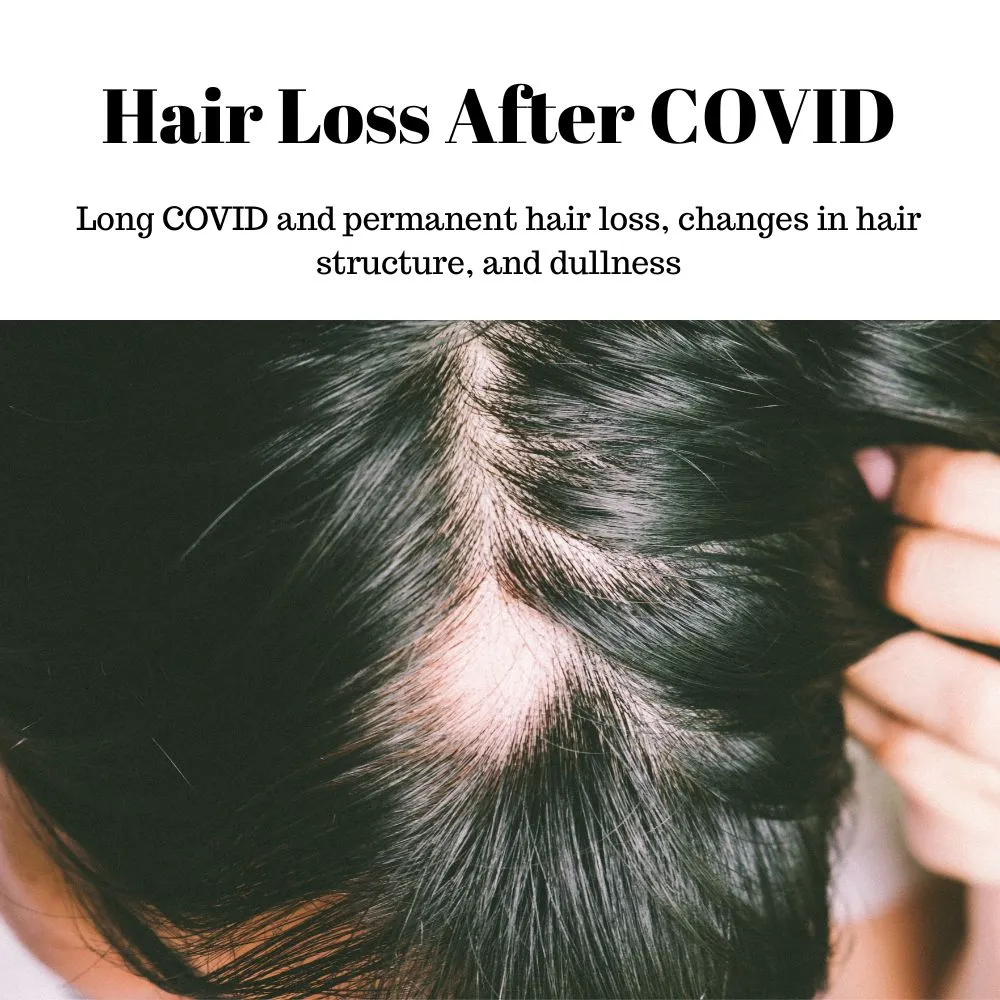
What have experts said so far about post-COVID alopecia?
The latest developments recommended by experts are listed below:
- Experts first request a blood test. This is necessary to determine whether there is any underlying disease related to your hair loss. In particular, have your ferritin (iron stores), vitamin D, and B12 levels checked. Covid can rapidly deplete these stores.
- They examine your diet. Doctors recognize a strong correlation between nutrition and baldness. Since most diseases are directly related to lifestyle, they gather information about your diet. A protein-rich diet is critical for the production of keratin, the building block of hair, and is therefore used in post-COVID hair thinning treatment.
- Hair loss is the result of what happened approximately 3 months prior, not on the day it falls out. Therefore, it requires a study from the past to the present and treatment involving a long-term lifestyle change.
Who Says What About Post-COVID Hair Loss?
Dermatologists
The Good News: You aren’t going bald! Your hair follicles are just taking a nap due to the shock.
The Plan: They usually suggest jump-starting the roots with biotin/zinc supplements or professional touches like PRP and mesotherapy.
The Patients
The Struggle: Most people on Reddit or forums describe a “total panic” when they see the initial shedding.
The Light at the End: The common consensus is that the heavy shedding usually stops around month 4, followed by the exciting arrival of tiny “baby hairs.”
The Researchers
The Science: By 2026, studies suggest the virus might have caused tiny micro-vascular hiccups, briefly cutting off the hair’s blood supply.
The Outlook: It’s a systemic reaction, not a permanent change in your DNA or scalp health.
Hair Texture Change After Covid
1. First thinning, then shedding
This process begins with a decline in hair quality. Since the body focuses on repairing vital organs, it doesn’t prioritize the proteins, minerals necessary for hair health, such as zinc, iron, and biotin.
At first, you may notice a decrease in hair volume. Existing hair strands lose their elasticity. When you comb your hair, you’ll feel a noticeable drop in volume. Then, the shedding begins. These thin, weakened strands tend to fall out from the root, which usually leads to widespread hair loss
2. Changes in texture
The texture of hair often changes, becoming harsher and more brittle. Unfortunately, this can give the hair a straw-like texture. The cuticle scales on the outer layer of the hair lift up. This makes the hair more prone to tangling, which can make it difficult to comb and give it a rough texture. As the keratin bonds inside the hair strand weaken, even light brushing can cause breakage along the hair’s length.
3. Baby hair with an odd texture
The new hairs that grow back after shedding can sometimes be different to those that were there before.
- For example:
Hair that was naturally straight may start to grow back with slight waves.
The strands may be thicker, but they may also feel much rougher.
The new growth may also appear lighter in colour due to temporary pigment loss.
Is Hair Loss Linked to the COVID-19 Vaccine Itself?
This is one of the most common concerns people have, so let’s break it down simply.
A 2022 study of 991 vaccinated adults in Saudi Arabia showed that while about 67% noticed hair shedding after their shot, only around 28% of those cases were actually linked to the vaccine itself.
For most people, the extra shedding came down to other reasons:
-
Pre-existing hair issues
-
The overall stress of the pandemic
In short, most hair shedding after a vaccine happens for the exact same reason it happens after getting sick: body stress (Telogen Effluvium). The vaccine itself isn’t directly damaging your hair follicles.
The One Exception to Keep in Mind
There is one specific situation to know about: Alopecia Areata (AA).
This is an autoimmune issue that causes hair to fall out in round patches instead of thinning out all over.
A small study looked at five people who already had a history of AA and experienced a flare-up about two weeks after their vaccine, with some noticing more shedding after booster shots.
The researchers pointed out two key things:
-
This does not prove the vaccine caused the flare-up, it just means the timing matched up for people who were already prone to it.
-
This kind of reaction is still very rare.
What You Should Do
Health experts still recommend staying up to date on your COVID-19 vaccines, and temporary hair shedding shouldn’t hold you back from getting protected.
However, keep an eye on how your hair is falling out:
-
Diffuse Thinning (Hair loss all over): Typical post-COVID shedding. It usually clears up on its own.
-
Patchy Hair Loss (Distinct spots): Worth mentioning to a dermatologist, especially if you have a history of Alopecia Areata.
Catching that difference early helps your doctor give you the right care.
Hair & Vitamin Analyzer
Assess your post-COVID hair recovery. Complete the 4-step analysis.
1. How is your daily energy level lately?
2. Any changes in your nails (brittleness/white spots)?
3. How much direct sunlight do you get daily?
4. How often do you consume animal proteins (meat/eggs)?
ANALYSIS COMPLETE
*Disclaimer: This is not a medical diagnosis. Consult a specialist for professional advice.
Is there a permanent treatment for hair damaged by COVID-19?
The same procedures used in normal alopecia treatments are also applied in COVID-related hair loss.
Injection-based Treatments
Platelet-rich plasma and its derivatives, hair mesotherapy, and exosome therapy are common cellular and injection-based hair loss treatments.
Metabolic Hair Treatment
For those seeking metabolic hair treatment, experts focus on anti-inflammatory omega-3-rich nutrition and balancing ferritin and zinc levels.
Home Hair Care Routine
Those seeking a permanent home hair care routine prefer ozone oil, anti-hair loss shampoo, and peptide serums.
FAQs
Can COVID cause androgenic alopecia?
No. COVID-19 does not cause genetic male baldness, but rather temporary hair loss. However, the stress caused by the virus can sometimes trigger or accelerate the genetic hair thinning process that would have occurred anyway.
How often is long COVID permanent?
Rarely. Most long-term COVID symptoms, including hair thinning, changes in hair texture, and hair loss, are not permanent. Data shows that with appropriate metabolic support, the vast majority of patients will fully recover over time by 2026.
Does long COVID change hair texture?
Yes, temporarily. During infection, the body diverts nutrients away from the hair, so new hair growth may be finer, drier, or more brittle. Once your vitamin levels, such as ferritin and zinc, return to normal, this condition usually resolves.
Can COVID-19 virus live on hair?
Technically, yes, but not for long. Like other surfaces, hair can harbour the virus, but it doesn’t thrive there. Normal hair washing is sufficient to eliminate any traces of the virus; hair is not considered a primary route of infection.
Am I going to lose all my hair?
Absolutely not. With diffuse thinning, which is a type of shedding related to the virus, you lose volume across the whole scalp, but you will not go bald just because COVID. Your hair follicles are still alive and will soon restart the growth cycle.
References
- Chhabra N. Telogen effluvium following coronavirus disease-2019 infection: a retrospective study of 113 cases. Indian Dermatol Online J. 2025;16(3):342-347. doi:10.4103/idoj.idoj_123_2
- Ali NE, Obaid ZM, Zaky MS, Elsaie ML. Hair disorders associated with post-COVID-19 infection in females: a cross-sectional study. Ir J Med Sci. 2024;193(3):1481-1489. doi:10.1007/s11845-023-03493-5
- RECOVER Initiative. RECOVER research update: March 2026. National Institutes of Health. Published March 4, 2026. Accessed March 11, 2026. Link
- Saeed W, Hussain I, Altaf F. Telogen effluvium: long term Covid-19 symptom. J Pak Assoc Dermatol. 2021;31(1):144-147.
-
Gadzhigoroeva A, Sanchez DG, Firooz A, et al. COVID-19 can exacerbate pattern hair loss and trigger telogen effluvium – the role of proteoglycan replacement therapy with Nourkrin® in clinical treatment of COVID-19 associated hair loss. J Dermatol Res Ther. 2021;7:103. doi:10.23937/2469-5750/1510103
-
American Academy of Dermatology. COVID-19 can cause temporary hair loss. American Academy of Dermatology Association website. Link. Accessed March 11, 2026.
- Genco L, Cantelli M, Noto M, et al. Alopecia areata after COVID-19 vaccines. Skin Appendage Disord. 2023;9(2):141-143. doi:10.1159/000528719
-
Kouseni R. COVID-19 and hair loss. BMJ. 2022;378:o1887. doi:10.1136/bmj.o1887
Recommended Reading
✦ Deep Conditioning: Hair Botox: Prices & Recovery — A breakdown of pricing variables for deep-conditioning hair botox treatments, expected longevity, and post-treatment maintenance tips.
✦ Advanced Regenerative Therapy: Exosome After Hair Transplant — Discover how exosome therapy accelerates tissue repair, reduces inflammation, and stimulates dormant follicles during post-op recovery.
✦ DHT Blocker Integration: Finasteride After Hair Transplant — Learn when and how to safely start or resume finasteride to protect your native hair and secure long-term transplant density.


Receive offers, product alerts, styling inspiration and more. By signing up, you agree to our Privacy Policy.
- info@perseusstyle.com